Traveling with your beloved pet can be a joyous experience, but it often comes with a unique set of challenges, especially when flying. As a pet parent with over a decade of experience, I know that choosing the right Carry On Pet Carrier is paramount not only for your pet’s comfort and safety but also for ensuring a smooth journey through airports and onto the plane. The complexities of airline regulations can be daunting, from size restrictions to ventilation requirements. This comprehensive guide will equip you with all the essential information, expert tips, and considerations needed to select the best carry on pet carrier for your four-legged companion, transforming potential travel stress into a comfortable adventure.
Understanding Types of Carry On Pet Carriers
When it comes to flying in the cabin, not all pet carriers are created equal. The term “carry on” immediately implies specific limitations, primarily the need to fit under the seat in front of you. This usually directs us towards flexible, soft-sided designs rather than rigid crates.
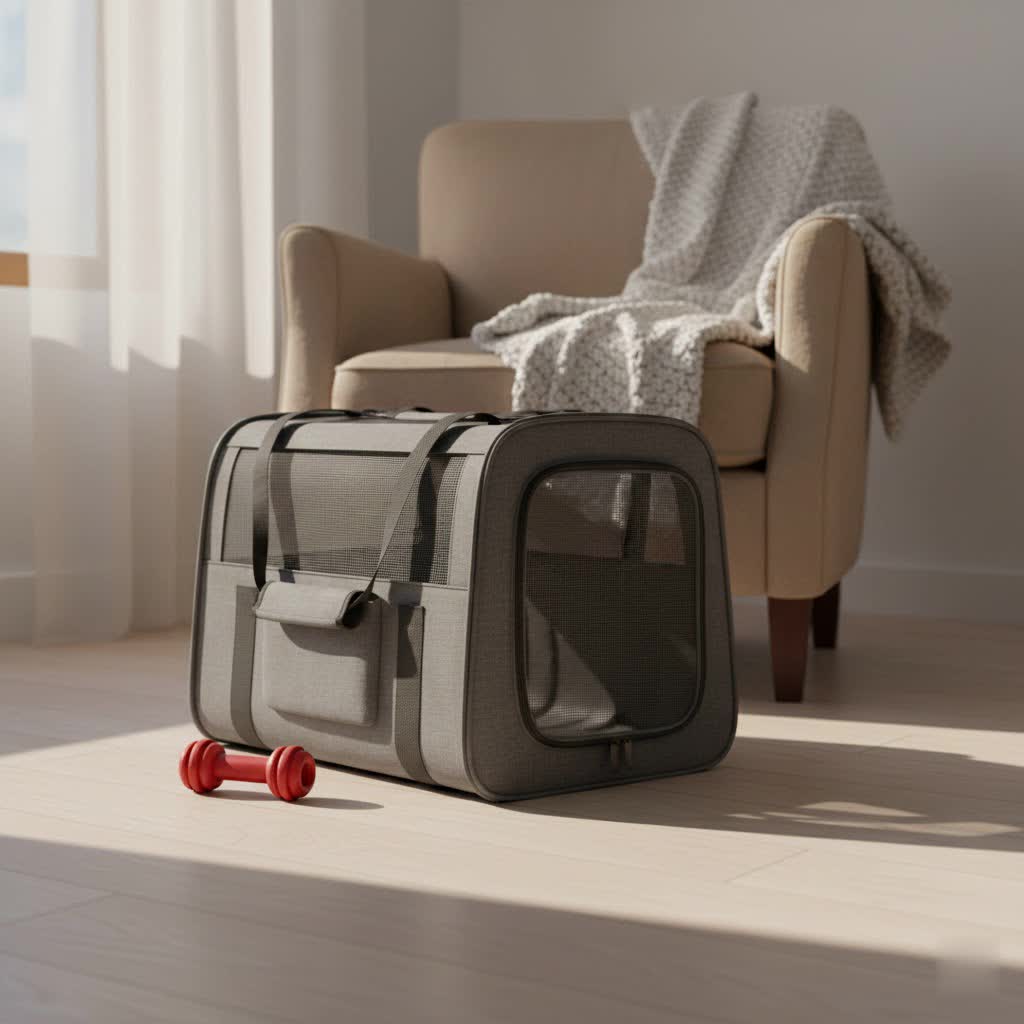
Soft-Sided Carry-On Pet Carriers
Soft-sided carriers are the most common and often preferred choice for in-cabin air travel. Their flexible nature allows them to conform slightly to the under-seat space, which can vary between aircraft.
- Advantages: Lightweight, often fashionable, collapsible for easy storage, and can usually be adjusted to fit tighter spaces. They often feature multiple mesh windows for superior ventilation and visibility, reducing anxiety for your pet.
- Disadvantages: May offer less rigid protection compared to hard-sided crates, though well-made soft carriers are very durable. Can sometimes lack the internal structure to prevent sagging if not designed properly.
- Best for: Small dogs and cats who need to travel in the aircraft cabin. Ideal for short to medium-haul flights where the pet remains under the seat for the duration.
|
Our Picks for the Best Pet Carrier in 2026
We may earn a commission when you use one of our links to make a purchase.
|
||
| Num | Product | Action |
|---|---|---|
| 1 | Cat Carrying Case Pet Dog Carrier Soft-Sided Cat Bag Airline Approved, Pet Travel Carrier Up to 15 Lbs, Collapsible Cats Carrier Dog Carrier for Medium Small Cats Dogs(17x11x11 Green) |

|
| 2 | Top and 2 Sides Expandable Large Cat Carrier 18x13.5x9.5, TSA Airline Approved Dog Carriers for Large Dogs, Soft-Sided Pet Carrier with Self-Locking Zippers for Kitten,Rabbit,Puppy, Black White |
|
| 3 | Dog Sling Carrier, Puppy Carrier Purse with Storage Pocket, Hand-Free Dog Carrier Sling for Carry Small Dogs and Cats, Puppy Essentials (Purple) |
|
| 4 | Henkelion Cat Carriers Dog Carrier Pet Carrier For Small / Medium Cats Dogs Puppies (Up To 15lbs), TSA Airline Approved Small Dog Carrier Soft Sided, Collapsible Waterproof Travel Puppy Carrier - Grey |
|
| 5 | Pet Carrier for Large Cats, Soft-Sided Cat Carrier for Medium Big Cats and Puppy up to 20lbs, Washable Dog Carrier Privacy Protection for Home Outdoor Travel |
|
| 6 | Morpilot Cat Carrier - Cat Carrier Soft for Medium or Large Cats up to 20lbs, with Dual-Sided Cushion, Secure Buckle and Foldable Bowl, Dog Carriers for Small Dogs - Pet Carrier (Dark Gray) |
|
| 7 | Amazon Basics 2-Door Top-Load Hard-Sided Dogs, Cats Pet Travel Carrier, Gray & Blue, 22.8"L x 15.0"W x 13.0"H |
|
| 8 | Texsens Innovative Traveler Bubble Backpack Pet Carriers for Cats and Dogs (Black) |
|
| 9 | Henkelion Cat Carriers Dog Carrier Pet Carrier for Small / Medium Cats Dogs Puppies (Up To 15lbs), TSA Airline Approved Small Dog Carrier Soft Sided, Collapsible Waterproof Travel Puppy Carrier -Black |
|
| 10 | Lekereise Cat Backpack Carriers, Dog Carrier Backpacks with Breathable Mesh for Small Medium Cats Dogs Puppy Up to 17 Lbs, Pet Foldable Carrying Backpack Ventilated for Travel Hiking Collapsible |
|
Backpack Pet Carriers
A convenient variation of the soft-sided carrier, backpack pet carriers allow you to carry your pet on your back, freeing your hands for luggage, boarding passes, and other essentials.
- Advantages: Provides hands-free mobility, excellent for navigating busy airports. Many designs are stylish and offer good ventilation. Some even expand to give pets more room when not being carried.
- Disadvantages: Can be bulky or uncomfortable for the wearer if the pet is at the higher end of the weight limit. Ensure the backpack design allows the pet to lie down comfortably when placed horizontally under a seat.
- Best for: Very small dogs and cats, especially if you anticipate a lot of walking or prefer to keep your pet close to your body.
Wheeled Pet Carriers
For pets that are slightly heavier or for owners who prefer not to carry their pet, wheeled carriers offer a practical solution. These are typically soft-sided and collapsible, with a sturdy handle and wheels.
- Advantages: Reduces physical strain on the owner, making long walks through terminals much easier. Often designed with multiple entry points and ample ventilation.
- Disadvantages: Can be bulkier and heavier than a standard soft-sided carrier due to the frame and wheels. May not maneuver as easily on carpeted surfaces or uneven ground, though most airport floors are smooth.
- Best for: Small to medium-sized pets, or pet parents who have other luggage and want to minimize carrying weight. Always confirm the dimensions with your airline, as the frame might affect fit.
Hard-Sided Pet Carriers
While excellent for cargo travel due to their rigid protection, hard-sided carriers are almost universally not permitted as carry-on in the aircraft cabin. They lack the flexibility to fit under the varying seat dimensions and cannot be compressed. These are typically reserved for pets traveling in the cargo hold.
Comparative Overview: Carry On Pet Carriers
| Feature | Soft-Sided Carry-On | Backpack Pet Carrier | Wheeled Pet Carrier |
|---|---|---|---|
| Flexibility | High, adapts to under-seat space | Medium, some designs are rigid | Medium, frame adds rigidity |
| Portability | Very high, lightweight | High, hands-free | High, minimizes carrying effort |
| Comfort | Good, often padded | Good, can be cozy | Good, ample space |
| Ventilation | Excellent, multiple mesh panels | Excellent, good airflow | Excellent, typically well-vented |
| Durability | Medium to High | Medium to High | High, sturdy frame |
| Suitability for In-Cabin | Excellent | Excellent (for small pets) | Good (check dimensions carefully) |
Essential Guide to Choosing Your Carry On Pet Carrier
Selecting the right carry on pet carrier requires careful consideration of both your pet’s needs and the strict regulations imposed by airlines. A well-chosen carrier ensures comfort and safety for your furry companion and peace of mind for you.
Size Matters: Ensuring a Comfortable Fit
This is perhaps the most critical factor. Your pet must be able to stand up, turn around, and lie down in a natural position inside the carrier without any part of their body touching the top or sides.
- Measure Your Pet: Measure your pet’s length from nose to base of tail, height from floor to top of head (or highest point of ears if they stand erect), and width. Add a few inches to these measurements to ensure ample room.
- Check Airline Dimensions: Every airline has specific maximum dimensions for carry-on pet carriers, which can also vary by aircraft type and even seat class. While a common guideline is around 18″ L x 11″ W x 11″ H, always verify with your specific airline before booking. A soft-sided carrier’s flexibility is key here, as it may slightly compress to fit.
Material and Construction: Safety and Durability
The materials used in your pet carrier directly impact its safety, longevity, and ease of cleaning.
- Safe and Non-Toxic: Ensure all materials are non-toxic and pet-safe. Avoid carriers with strong chemical odors that could bother your pet.
- Ventilation: The carrier must have adequate ventilation on multiple sides (typically at least 3 for domestic travel and 4 for international). Mesh panels are crucial for airflow and for your pet to see their surroundings.
- Leak-Proof Bottom: A waterproof or leak-proof bottom is non-negotiable to contain any accidents and maintain hygiene. Removable, machine-washable padding is a huge bonus.
- Sturdy and Durable: The carrier should be made of durable, tear-resistant fabric (like nylon or polyester) and have robust zippers and seams.
- Secure Closures: Zippers are generally preferred over snaps, ensuring your pet cannot escape during the flight. Look for self-locking zippers or those with carabiner clips for extra security.
Key Features for a Stress-Free Journey
Beyond the basics, certain features can significantly enhance the travel experience for both you and your pet.
- Multiple Entry Points: Top and front openings offer flexibility for loading your pet and comforting them during travel.
- Comfortable Padding: A soft, removable, and washable fleece or sherpa lining provides a cozy environment for your pet.
- Storage Pockets: External pockets are handy for carrying essentials like treats, waste bags, leashes, and important travel documents.
- Seatbelt Loops: For car travel to and from the airport, loops that allow you to secure the carrier with a car seatbelt add an extra layer of safety.
- Trolley Sleeve: A strap on the back that slides over the handle of your rolling luggage is incredibly convenient for hands-free transport through the airport.
Reputable Brands: A Mark of Quality
While I cannot recommend specific brands, choosing a pet carrier from a reputable manufacturer is always a wise decision. Brands known for quality often adhere to higher safety standards, offer better durability, and provide features designed with pet and owner comfort in mind.
- Read Reviews: Always read reviews from other pet owners, especially those who have used the carrier for air travel. Pay attention to feedback regarding airline compliance, durability, and pet comfort.
- Compare Features and Price: Don’t automatically opt for the cheapest option. Invest in a carrier that meets all necessary safety and comfort criteria, as it’s an investment in your pet’s well-being.
Features to Look for in Top Carry On Pet Carrier Models
While specific product recommendations are outside this guide’s scope, understanding what makes a “top” model will help you discern quality carriers. Top-tier carry on pet carriers generally excel in design, durability, and features that cater to both airline requirements and pet comfort.
- Airline Compliance Focus: The best carriers are explicitly designed with common airline dimensions in mind, often advertised as “airline approved.” They feature soft, flexible sides and a stable, flat base.
- Superior Ventilation and Visibility: Multiple large mesh panels ensure optimal airflow and allow your pet to see their surroundings, reducing anxiety. Clear, durable mesh that resists tearing is a hallmark.
- Robust and Secure Construction: High-quality, durable fabrics (like 600D polyester), strong zippers that won’t easily break or accidentally open, and reinforced seams are crucial for longevity and safety.
- Comfort Enhancements: Removable, plush fleece bedding provides a soft surface, while internal leashes or tethers prevent your pet from jumping out when the carrier is open.
- User-Friendly Design: Features like multiple entry points (top and side), a trolley sleeve for attaching to luggage, and comfortable, adjustable shoulder straps make the carrier easier for you to manage.
- Expandable Sections: Some innovative designs offer expandable mesh sides that can be unzipped to provide extra space for your pet when you’re at the gate or during layovers, and then zipped back up for take-off and landing.
Conclusion
Choosing the ideal carry on pet carrier is a critical step in making air travel a positive experience for your furry family member. By prioritizing safety, comfort, and strict adherence to airline regulations, you can select a carrier that provides a secure and cozy haven for your pet throughout their journey. Remember to measure your pet accurately, meticulously check your chosen airline’s specific requirements, and invest in a durable, well-ventilated, and leak-proof carrier with secure closures. With the right carry on pet carrier, you’re not just buying a piece of luggage; you’re investing in countless cherished memories of traveling the world with your best friend. What adventures will you embark on next with your perfectly selected carry on pet carrier?
Frequently Asked Questions
What are the standard dimensions for an airline-approved carry on pet carrier?
While there isn’t one universal standard, most major airlines generally recommend maximum dimensions around 18″ L x 11″ W x 11″ H for soft-sided carriers. However, it’s crucial to consult your specific airline’s guidelines, as dimensions can vary significantly by carrier, aircraft type, and seat location. Always confirm before your flight.
Can I use a hard-sided pet carrier as a carry-on for my flight?
No, hard-sided pet carriers are almost universally not allowed as carry-on in the aircraft cabin. They are too rigid to fit under the seat in front of you, which is a mandatory requirement for in-cabin pet travel. Hard-sided carriers are typically only suitable for pets traveling in the cargo hold.
How can I make my pet comfortable in their carry on pet carrier during a flight?
To enhance your pet’s comfort, ensure the carrier is the correct size, allowing them to stand, turn, and lie down naturally. Line it with a familiar blanket or soft padding. Include a favorite small toy and an absorbent pee pad. Acclimate your pet to the carrier at home before travel with positive reinforcement.
Do I need to book a special ticket for my pet when traveling with a carry on pet carrier?
Yes, you must notify the airline in advance that you will be traveling with a pet in the cabin. Most airlines limit the number of pets allowed per flight, and space is often reserved on a first-come, first-served basis. A fee for your pet’s travel will also apply, typically paid at check-in.
What should I look for in terms of ventilation for an airline-approved pet carrier?
An airline-approved pet carrier should have ample ventilation. Most airlines require mesh panels on at least two sides, with some stipulating three sides for domestic travel and four for international. Good airflow is essential to prevent your pet from overheating and to reduce anxiety by allowing them to see their surroundings.