As devoted pet parents, we understand that our furry companions are more than just animals; they’re cherished family members. Whether it’s a routine vet visit, a road trip adventure, or an international flight, ensuring their safety and comfort during travel is paramount. The market, however, is flooded with an overwhelming array of pet carriers, making the choice a daunting task. How do you find the perfect one that meets your pet’s needs, your travel plans, and provides true peace of mind? This comprehensive guide, crafted from years of hands-on experience in the pet product industry, will walk you through the essential considerations, popular types, and top recommendations to help you select the Best Pet Carrier for your beloved companion.
Understanding the Different Types of Pet Carriers
Choosing the right pet carrier begins with understanding the various types available, each designed for specific needs and travel scenarios.
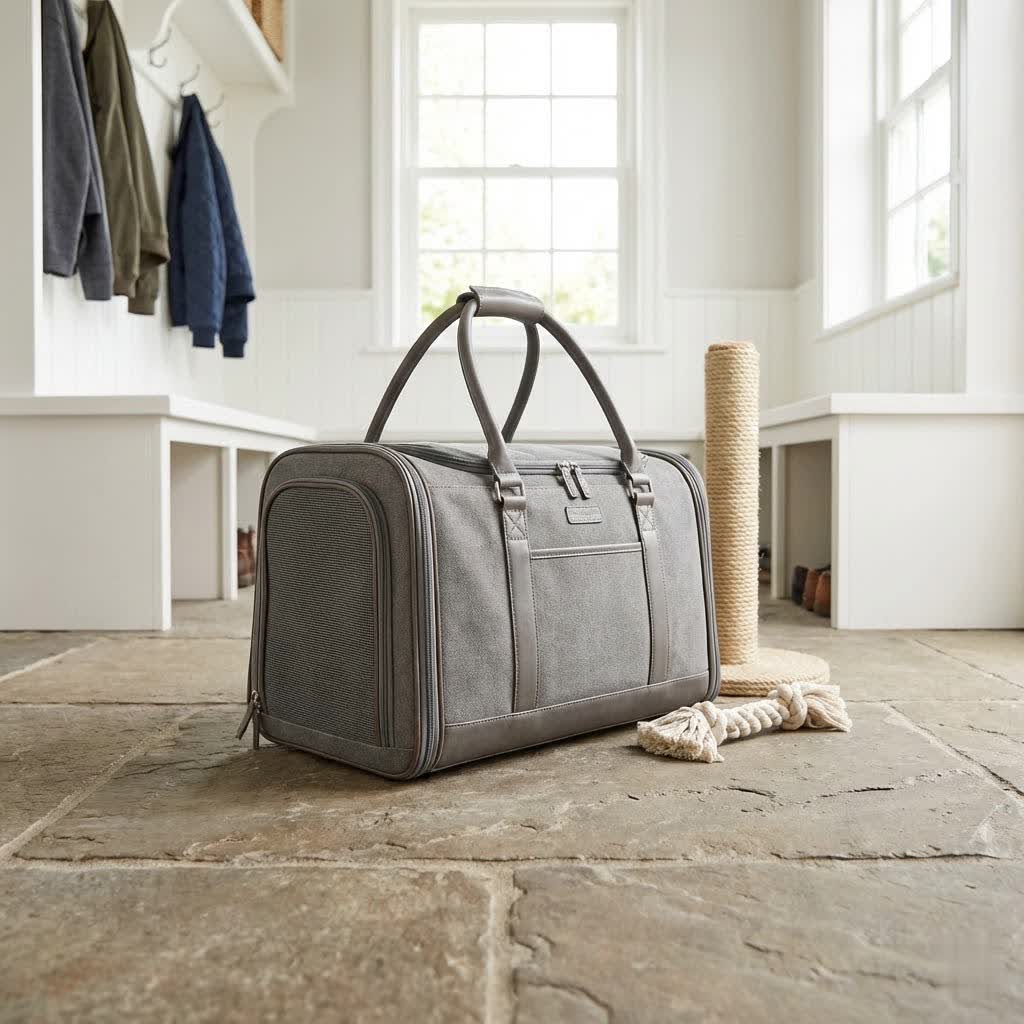
Soft-Sided Pet Carriers
These carriers are typically made from lightweight fabrics like nylon or polyester, often featuring mesh windows for ventilation and visibility.
- Advantages: Soft-sided carriers are lightweight, collapsible for easy storage, and often meet airline carry-on requirements for in-cabin travel. Their flexible design can be more comforting for anxious pets, and many come with padded shoulder straps, making them easy to carry.
- Disadvantages: While comfortable, they offer less rigid protection than hard-sided options and may not be suitable for pets that tend to chew or scratch aggressively. Cleaning can also be more challenging if accidents occur.
- Best for: Small to medium-sized dogs and cats, short trips, vet visits, and in-cabin airline travel where flexibility is key.
|
Our Picks for the Best Pet Carrier in 2026
We may earn a commission when you use one of our links to make a purchase.
|
||
| Num | Product | Action |
|---|---|---|
| 1 | Pet Carrier for Large Cats, Soft-Sided Cat Carrier for Medium Big Cats and Puppy up to 20lbs, Washable Dog Carrier Privacy Protection for Home Outdoor Travel |

|
| 2 | Morpilot Cat Carrier - Cat Carrier Soft for Medium or Large Cats up to 20lbs, with Dual-Sided Cushion, Secure Buckle and Foldable Bowl, Dog Carriers for Small Dogs - Pet Carrier (Dark Gray) |
|
| 3 | Top and 2 Sides Expandable Large Cat Carrier 18x13.5x9.5, TSA Airline Approved Dog Carriers for Large Dogs, Soft-Sided Pet Carrier with Self-Locking Zippers for Kitten,Rabbit,Puppy, Black White |
|
| 4 | Henkelion Cat Carriers Dog Carrier Pet Carrier For Small / Medium Cats Dogs Puppies (Up To 15lbs), TSA Airline Approved Small Dog Carrier Soft Sided, Collapsible Waterproof Travel Puppy Carrier - Grey |
|
| 5 | Lekereise Cat Backpack Carriers, Dog Carrier Backpacks with Breathable Mesh for Small Medium Cats Dogs Puppy Up to 17 Lbs, Pet Foldable Carrying Backpack Ventilated for Travel Hiking Collapsible |
|
| 6 | Texsens Innovative Traveler Bubble Backpack Pet Carriers for Cats and Dogs (Black) |
|
| 7 | Dog Sling Carrier, Puppy Carrier Purse with Storage Pocket, Hand-Free Dog Carrier Sling for Carry Small Dogs and Cats, Puppy Essentials (Purple) |
|
| 8 | Cat Carrying Case Pet Dog Carrier Soft-Sided Cat Bag Airline Approved, Pet Travel Carrier Up to 15 Lbs, Collapsible Cats Carrier Dog Carrier for Medium Small Cats Dogs(17x11x11 Green) |
|
| 9 | Henkelion Cat Carriers Dog Carrier Pet Carrier for Small / Medium Cats Dogs Puppies (Up To 15lbs), TSA Airline Approved Small Dog Carrier Soft Sided, Collapsible Waterproof Travel Puppy Carrier -Black |
|
| 10 | Amazon Basics 2-Door Top-Load Hard-Sided Dogs, Cats Pet Travel Carrier, Gray & Blue, 22.8"L x 15.0"W x 13.0"H |
|
Hard-Sided Pet Carriers (Crates)
Constructed from durable plastic or metal, hard-sided carriers provide a robust and secure enclosure for your pet.
- Advantages: Known for their superior protection and durability, hard-sided carriers are excellent for car travel and larger pets. They are easy to clean and sanitize, often feature ample ventilation, and can double as a comfortable den at home. Many offer top-loading access, which can be less stressful for cats or reluctant pets.
- Disadvantages: They are generally more bulky and heavier, making them less convenient for carrying long distances. Their rigid structure can also make storage a challenge.
- Best for: Medium to large dogs and cats, long-distance travel, car journeys, and pets that require more security or prone to escape.
Backpack Pet Carriers
Designed to be worn on your back, these carriers allow for hands-free transport, keeping your pet close.
- Advantages: Backpack carriers are ideal for active owners who enjoy hiking, biking, or walking with their small pets. They offer hands-free convenience and can provide a sense of security for pets who prefer to be close to their human. Many feature unique designs, like bubble windows, allowing pets to observe their surroundings.
- Disadvantages: Ventilation can be less effective than other types, potentially leading to overheating. They are primarily suited for small pets and may not offer sufficient space for larger animals to comfortably move or stand. It can also be harder to monitor your pet without taking the backpack off.
- Best for: Small dogs, cats, and puppies for adventures like hiking, cycling, or crowded public spaces.
Wheeled Pet Carriers
These carriers come equipped with wheels, resembling luggage, and are designed to alleviate the burden of carrying heavier pets.
- Advantages: Wheeled carriers are incredibly convenient for transporting larger or heavier pets through airports, train stations, or long walks without physical strain. They often offer ample space and good ventilation.
- Disadvantages: They can be bulky and less stable on uneven terrain or stairs. The noise from the wheels might also startle some pets. They may not fit under airplane seats and are typically used for pets checked as cargo or on public transport.
- Best for: Larger pets, elderly pets, or owners who need assistance transporting their pet over long distances, particularly in urban environments or airports.
Comparison Table of Pet Carrier Types
To help you quickly compare the main features of each carrier type, here’s a detailed table:
| Feature | Soft-Sided | Hard-Sided | Backpack | Wheeled |
|---|---|---|---|---|
| Size Range | Small to Medium | Small to Extra-Large | Small | Medium to Large |
| Durability | Medium (fabric dependent) | High (plastic/metal) | Medium (fabric dependent) | High (structured) |
| Ventilation | Good (mesh panels) | Excellent (vents all sides) | Variable (some good) | Good (mesh panels) |
| Portability | High (lightweight, foldable) | Low (bulky, heavy) | High (hands-free) | High (on wheels) |
| Comfort | High (flexible, padded) | Medium (add bedding) | Medium (can feel confined) | High (spacious, stable) |
| Security | Medium (zippers can be breached) | High (rigid, secure latches) | Medium (dependent on closures) | High (secure enclosure) |
| Ideal Use | In-cabin flight, vet, short trips | Car, cargo flight, home den | Hiking, public transport (small pets) | Airports, long walks, larger pets |
| Price | Low to Medium | Medium to High | Medium | Medium to High |
How to Choose the Best Pet Carrier: A Comprehensive Buying Guide
Selecting the ideal pet carrier involves careful consideration of several factors to ensure your pet’s safety, comfort, and compliance with travel regulations.
Size Matters Immensely
The carrier must be appropriately sized for your pet, allowing them to stand up, turn around, and lie down comfortably in a natural position.
- Measurement: Measure your pet’s length from the tip of their nose to the base of their tail, and their height from the top of their head to the ground when standing. Add a few inches to these measurements to ensure ample space. “A common mistake is choosing a carrier that’s too small, which can lead to discomfort and increased stress for your pet during travel,” says Jane Doe, a certified professional dog trainer.
- Growing Pets: If purchasing for a puppy or kitten, consider their adult size to avoid needing multiple carriers as they grow. A temporary soft pad can make a larger carrier cozier for a small youngster.
Material and Durability
The material dictates the carrier’s longevity, ease of cleaning, and overall safety.
- Safety & Non-toxic: Ensure materials are pet-safe and non-toxic.
- Ventilation: Look for carriers with ample mesh windows or ventilation holes to ensure proper airflow and prevent overheating, especially crucial for long journeys or in warm weather.
- Easy to Clean: Accidents happen. A carrier with a removable, washable lining or one made of easy-to-wipe plastic will save you significant hassle. Some hard-sided carriers even feature a “stay-dry moat” to contain spills or accidents.
- Sturdy Construction: Check for strong zippers, reinforced seams, and durable hardware that can withstand your pet’s weight and potential escape attempts.
Key Features for Comfort and Convenience
Beyond basic function, certain features can greatly enhance the travel experience for both you and your pet.
- Secure Entry and Exit: Top-loading doors are often preferred for cats and timid pets, as they can be gently lowered in. Multiple entry points offer versatility. All doors should have secure, escape-proof latches or zippers.
- Comfortable Interior: A soft, padded base or removable fleece mat provides comfort and insulation.
- Portability for Owners: Padded shoulder straps, ergonomic handles, or luggage straps that allow the carrier to slide over a suitcase handle can significantly ease transport.
- Airline Approval: If flying, this is non-negotiable. Research the specific airline’s dimensions, weight limits, and ventilation requirements for in-cabin or cargo travel before purchasing. Carriers often state “airline approved,” but rules vary by airline.
- Storage Pockets: Pockets for treats, waste bags, leashes, or travel documents add practicality.
- Anxiety Reduction: Some advanced carriers, like the Prefer Pets Hideaway Duffel, feature sound-absorbing barriers to minimize travel anxiety from environmental noise. Others include privacy covers for mesh windows, allowing a shy pet to feel more secure.
Brand Reputation and Reviews
Invest time in researching reputable brands and reading real customer reviews. Brands like Sherpa, Petmate, Sleepypod, Vceoa, and Mr. Peanut’s consistently receive high ratings for their quality and design. User experiences can provide valuable insights into a carrier’s practicality, durability, and comfort for different pet temperaments.
Top Pet Carrier Models for Every Need
Based on extensive research and user feedback, here are some highly recommended pet carrier models that excel in different categories. Please note that prices are approximate and can vary.
Henkelion Soft-Sided Pet Carrier
- Description: A popular soft-sided option known for its practicality and affordability. It’s often TSA airline-approved.
- Key Advantages: Collapsible design, ample mesh ventilation, comfortable fleece mat, and a shoulder strap for easy carrying. Suitable for pets up to 15-20 lbs.
- Estimated Price: $30-$45
Petmate Two-Door Top Load Kennel
- Description: A classic hard-sided kennel offering robust security and versatile access.
- Key Advantages: Durable plastic construction, features both a front and top door for easy loading, good all-around ventilation, and a comfortable ergonomic handle. Ideal for car travel.
- Estimated Price: $40-$60
Sherpa Original Deluxe Airline-Approved Carrier
- Description: A go-to soft-sided carrier specifically designed to meet most airline in-cabin requirements.
- Key Advantages: Flexible frame allows it to conform to under-seat dimensions, plush faux lambskin liner for comfort, multiple mesh windows, and a rear pocket for storage. Comes in various sizes.
- Estimated Price: $60-$80
Sleepypod Air In-Cabin Pet Carrier
- Description: A premium, crash-tested carrier known for its safety, durability, and versatility.
- Key Advantages: High-quality, durable materials, adjustable length to fit under varying airline seats, and can be secured with a seatbelt in a car. Features a removable, washable faux fur lining. A significant investment for frequent travelers.
- Estimated Price: $180-$220
Vceoa Soft-Sided Pet Carrier
- Description: Often highlighted as a great value option among soft-sided carriers, offering many features found in more expensive models.
- Key Advantages: Sturdy construction with a built-in steel frame, multiple entry points (top and side), good ventilation, and usually includes a removable fleece bed and storage pockets.
- Estimated Price: $25-$40
Conclusion
Choosing the best pet carrier is a significant decision that impacts your pet’s well-being and your peace of mind during travel. From the lightweight convenience of a soft-sided bag for quick trips to the robust security of a hard-sided kennel for long journeys, or the hands-free freedom of a backpack, the ideal choice hinges on your specific needs. Prioritize correct sizing, durable and breathable materials, and essential features like secure latches and comfortable interiors. By carefully considering your pet’s temperament and your typical travel scenarios, you can confidently select a carrier that makes every adventure a comfortable and stress-free experience for your beloved companion.
What adventures will you and your furry friend embark on next with their new perfect carrier?
Frequently Asked Questions
How do I know if a pet carrier is airline-approved?
Airline approval is not universal. Always check the specific airline’s website for their current pet policy, including carrier dimensions (length, width, height), weight limits for the pet plus carrier, and ventilation requirements. Soft-sided carriers are generally preferred for in-cabin travel, as their flexible tops can often conform better under the seat.
Can I sedate my pet for travel?
Most major airlines advise against sedating pets for air travel due to potential health risks at high altitudes. Always consult your veterinarian before giving any medication to your pet for travel. Your vet might recommend mild anti-anxiety supplements or prescribe non-sedative calming aids instead.
How can I get my pet used to a carrier?
Familiarization is key. Leave the carrier open with a comfortable blanket, treats, and toys inside in a common area of your home. Encourage your pet to explore it voluntarily. Gradually introduce short periods of time inside with the door closed, then short car rides, always ending with positive reinforcement.
What’s the best carrier for an anxious pet?
For anxious pets, a soft-sided carrier with privacy flaps that can cover mesh windows can provide a sense of security. Carriers with a top-loading option can also reduce stress during entry. Familiarization, as described above, is crucial. For car travel, a crash-tested, secure carrier can also help reduce anxiety by ensuring their safety.
How much space does my pet need in a carrier?
Your pet should be able to stand up, turn around, and lie down comfortably in a natural position within the carrier. Generally, the carrier should be at least a few inches taller than your pet’s head when standing, and long enough for them to stretch out fully. Too much space, however, can make a pet feel insecure and slide around during transport.