Traveling with your beloved pet can be an enriching experience, but the journey itself often brings unique challenges. From navigating bustling airports to adhering to strict airline regulations, ensuring your furry friend’s comfort and safety is paramount. The right pet carrier isn’t just a container; it’s a secure, cozy haven that meets all requirements for a smooth flight. As an experienced pet product technician, I understand the critical elements that make a pet carrier truly flight-worthy. This comprehensive guide will walk you through everything you need to know, helping you select the best airline-approved pet carrier for your next adventure in the skies.
Types of Airline-Approved Pet Carriers
When it comes to air travel, understanding the different types of pet carriers and their specific uses is key to a stress-free journey. Each type offers distinct advantages, primarily depending on whether your pet will travel in the cabin with you or as checked baggage.
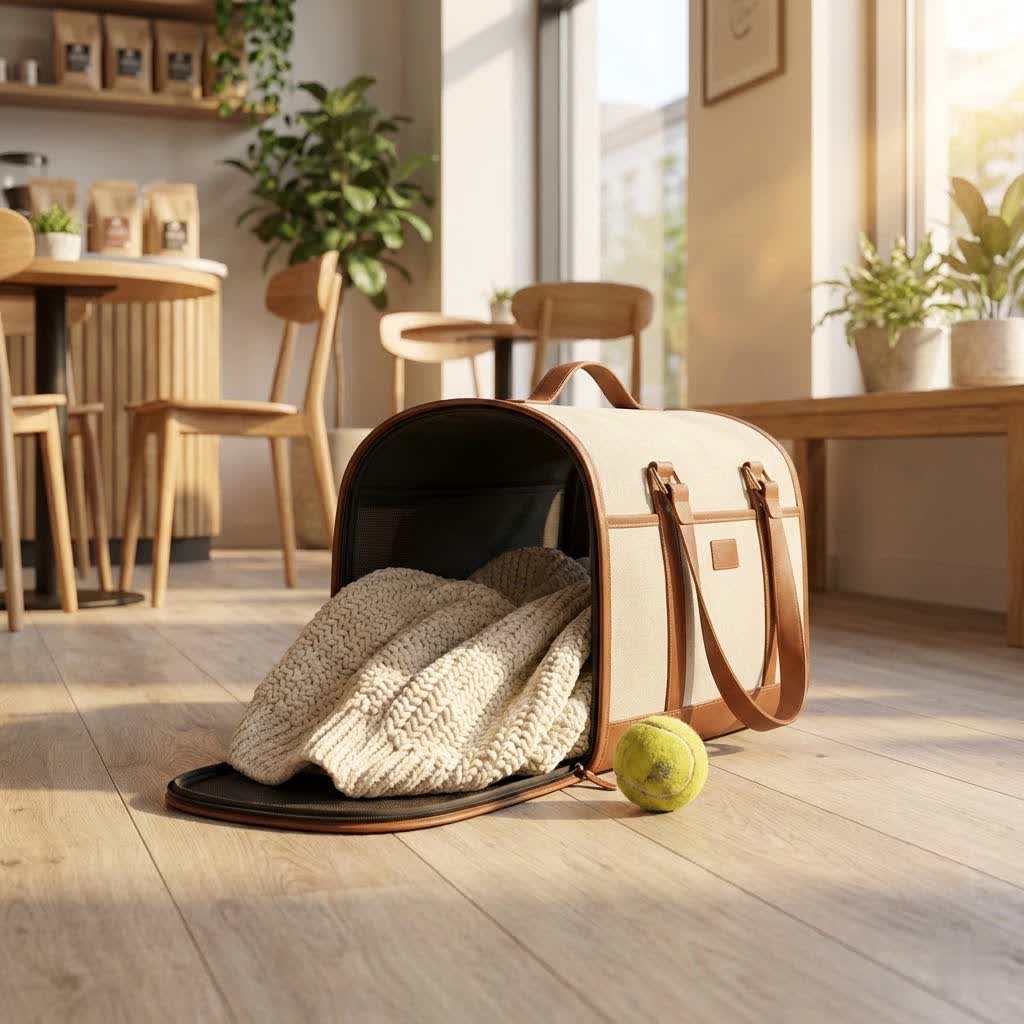
Soft-Sided Pet Carriers
Soft-sided carriers are overwhelmingly the most popular choice for in-cabin travel due to their inherent flexibility. Made from durable fabrics like nylon or polyester, these carriers feature mesh windows for ventilation and often come with comfortable padding. Their pliable nature allows them to compress slightly, making them ideal for fitting under the airplane seat in front of you, which is a non-negotiable airline requirement. They are typically lightweight and easy to carry, often equipped with shoulder straps or sleeves to slide over luggage handles.
- Pros: Highly flexible, lightweight, comfortable, excellent ventilation, often come with storage pockets and can be collapsible for easy storage.
- Cons: Offer less rigid protection than hard-sided options, and may not be suitable for pets prone to chewing or escaping.
- Best for: Small dogs and cats traveling in the airplane cabin.
|
Our Picks for the Best Pet Carrier in 2026
We may earn a commission when you use one of our links to make a purchase.
|
||
| Num | Product | Action |
|---|---|---|
| 1 | Morpilot Cat Carrier - Cat Carrier Soft for Medium or Large Cats up to 20lbs, with Dual-Sided Cushion, Secure Buckle and Foldable Bowl, Dog Carriers for Small Dogs - Pet Carrier (Dark Gray) |

|
| 2 | Henkelion Cat Carriers Dog Carrier Pet Carrier for Small / Medium Cats Dogs Puppies (Up To 15lbs), TSA Airline Approved Small Dog Carrier Soft Sided, Collapsible Waterproof Travel Puppy Carrier -Black |
|
| 3 | Top and 2 Sides Expandable Large Cat Carrier 18x13.5x9.5, TSA Airline Approved Dog Carriers for Large Dogs, Soft-Sided Pet Carrier with Self-Locking Zippers for Kitten,Rabbit,Puppy, Black White |
|
| 4 | Lekereise Cat Backpack Carriers, Dog Carrier Backpacks with Breathable Mesh for Small Medium Cats Dogs Puppy Up to 17 Lbs, Pet Foldable Carrying Backpack Ventilated for Travel Hiking Collapsible |
|
| 5 | Henkelion Cat Carriers Dog Carrier Pet Carrier For Small / Medium Cats Dogs Puppies (Up To 15lbs), TSA Airline Approved Small Dog Carrier Soft Sided, Collapsible Waterproof Travel Puppy Carrier - Grey |
|
| 6 | Pet Carrier for Large Cats, Soft-Sided Cat Carrier for Medium Big Cats and Puppy up to 20lbs, Washable Dog Carrier Privacy Protection for Home Outdoor Travel |
|
| 7 | Cat Carrying Case Pet Dog Carrier Soft-Sided Cat Bag Airline Approved, Pet Travel Carrier Up to 15 Lbs, Collapsible Cats Carrier Dog Carrier for Medium Small Cats Dogs(17x11x11 Green) |
|
| 8 | Texsens Innovative Traveler Bubble Backpack Pet Carriers for Cats and Dogs (Black) |
|
| 9 | Amazon Basics 2-Door Top-Load Hard-Sided Dogs, Cats Pet Travel Carrier, Gray & Blue, 22.8"L x 15.0"W x 13.0"H |
|
| 10 | Dog Sling Carrier, Puppy Carrier Purse with Storage Pocket, Hand-Free Dog Carrier Sling for Carry Small Dogs and Cats, Puppy Essentials (Purple) |
|
Backpack Pet Carriers
For pet parents who prefer to keep their hands free, a backpack pet carrier can be an excellent solution. These carriers are designed to be worn on your back, providing convenience, especially when navigating busy terminals. Like soft-sided carriers, many backpack versions are specifically designed to be airline-approved for in-cabin travel, ensuring they fit under the seat. However, it’s crucial to check that the backpack’s structure isn’t too rigid, as some airlines prohibit backpack carriers with hard plastic windows.
- Pros: Hands-free convenience, distributes weight evenly, good for shorter trips or when moving through crowded spaces.
- Cons: Can be bulky if not designed carefully, some rigid models may be prohibited by airlines, and can be less comfortable for pets on longer flights due to restricted movement.
- Best for: Very small dogs and cats that you prefer to carry close, especially during airport transit.
Wheeled Pet Carriers
For larger small pets or those requiring more support during transit, wheeled pet carriers offer a practical solution. These carriers often feature a sturdy frame with retractable handles and smooth-gliding wheels, alleviating the strain of carrying your pet through vast airport concourses. While the wheeled base adds convenience, it’s vital to ensure the main carrier portion detaches or collapses sufficiently to meet the under-seat dimensions when onboard. Some models are integrated, meaning the entire unit must fit, so always double-check specific airline guidelines.
- Pros: Reduces physical strain for the owner, easy to maneuver through airports, generally stable.
- Cons: Can be bulkier and heavier than other types, may not fit under all airplane seats, and could be challenging on uneven terrain.
- Best for: Small to medium-sized pets that are heavier or for owners with mobility concerns over long distances.
Comparison Table: Choosing Your Ideal Airline Pet Carrier
| Feature | Soft-Sided Carrier | Backpack Carrier | Wheeled Carrier |
|---|---|---|---|
| Airline Cabin Fit | Excellent (flexible) | Good (check rigidity) | Variable (check under-seat dimensions) |
| Portability | High (lightweight, shoulder strap/luggage sleeve) | High (hands-free) | High (for distance), lower for lifting |
| Pet Comfort | High (cushioned, airy, flexible space) | Medium (can feel confined) | Medium (stable, less flexible than soft) |
| Durability | Moderate (tear-resistant fabrics) | Moderate | High (sturdy frame and wheels) |
| Security | Good (sturdy zippers, internal leash clip) | Good (secure closures) | Good (secure frame) |
| Ventilation | Excellent (multiple mesh panels) | Good (mesh panels, check design) | Good (mesh panels, check design) |
| Ease of Cleaning | Moderate (some machine washable) | Moderate | Moderate (wipe down, removable liner) |
Essential Factors for Choosing the Best Pet Carrier for Flying
Selecting the perfect pet carrier for air travel goes beyond aesthetics. It requires careful consideration of various factors to ensure both airline compliance and your pet’s well-being.
Airline Requirements: Know Before You Go
This is arguably the most critical step. Every airline has specific, often varying, regulations for pet travel, particularly for in-cabin pets. Always consult your chosen airline’s official website or contact their reservations department well in advance of your flight.
- Dimensions: The carrier must fit completely under the seat in front of you. Airlines provide maximum height, width, and length dimensions. Soft-sided carriers are often preferred as they can compress to fit.
- Pet Movement: Your pet must be able to stand up, turn around, and lie down comfortably within the carrier without any part of their body protruding.
- Ventilation: Most airlines require carriers to have adequate ventilation on at least three sides for domestic travel, and often four sides for international flights.
- Leak-Proof Bottom: The carrier must have a waterproof bottom to contain any accidents during the flight. Consider placing an absorbent pad inside for extra protection and comfort.
- Secure Closures: Zippers should be sturdy and escape-proof, preventing your pet from opening them. Some carriers even offer lockable zippers for added security.
- Pre-notification & Fees: Airlines typically require you to notify them in advance that you’ll be traveling with a pet and will charge a non-refundable fee. Space for in-cabin pets is limited, so book early.
- Cabin Restrictions: Be aware that pets are generally not allowed in exit or bulkhead rows, or in certain premium cabins due to under-seat space limitations.
Size & Comfort for Your Pet
A carrier that meets airline dimensions but cramps your pet is not a good choice. Comfort is key to reducing stress during travel.
- Measuring Guide: Measure your pet from the tip of their nose to the base of their tail for length, and from the ground to the top of their head (or ears, if pointed) for height. Add a few inches to these measurements to ensure ample space inside the carrier for them to move naturally.
- Spacious Interior: The carrier should allow your pet to stand without their head touching the top, turn around easily, and lie down in a natural position.
- Padding and Bedding: Look for carriers with soft, comfortable interior padding. You can also add a familiar blanket or a small, thin pet bed to make the space feel more like home.
Material & Durability
The construction of the carrier directly impacts its safety and longevity.
- Quality Fabric: For soft-sided carriers, opt for durable, tear-resistant, and reinforced fabrics that maintain their shape when lifted. Avoid flimsy materials that could sag or tear under stress.
- Sturdy Hardware: Check that zippers, buckles, clasps, and straps are robust and well-stitched. Sturdy, self-locking zippers are a major plus for preventing escapes.
- Easy to Clean: Accidents can happen. Choose materials that are water-repellent and easy to wipe down or even machine wash, especially for the interior lining.
Ventilation & Airflow
Proper air circulation is vital to prevent overheating and ensure your pet’s comfort and health during the flight.
- Multiple Mesh Windows: The more mesh windows, the better the airflow. Ensure these panels are made of strong, chew-resistant mesh.
- Strategic Placement: Ventilation should be present on at least three sides, allowing for cross-ventilation.
Security Features
A secure carrier gives you peace of mind that your pet will remain safely contained throughout the journey.
- Self-Locking Zippers: Some carriers feature zippers that automatically lock or can be secured with small padlocks, providing an extra layer of defense against escapes.
- Internal Leash Tether: A small clip inside the carrier to attach to your pet’s harness (never their collar) can prevent them from darting out if the carrier door is accidentally opened.
- Reinforced Seams: Well-stitched and reinforced seams prevent adventurous pets from clawing or biting their way out.
Portability & Convenience
Traveling often involves navigating crowded spaces and long distances within airports, so convenience for the owner is also important.
- Lightweight Design: A lighter carrier is easier to manage, especially when you also have carry-on luggage.
- Carrying Options: Look for comfortable padded shoulder straps, strong carry handles, and a luggage sleeve that allows you to secure the carrier to your rolling suitcase.
- Expandable Features: Some soft-sided carriers offer expandable sides that can be unzipped once you’re on the plane (and the carrier is not under the seat) or during layovers, providing extra stretching room for your pet.
Top Recommended Pet Carriers for Air Travel
Based on expert recommendations and positive user feedback, several pet carriers consistently stand out for their airline compliance, durability, and pet comfort.
EliteField Soft-Sided Airline-Approved Dog & Cat Carrier Bag
The EliteField carrier is a highly rated choice, often praised for its thoughtful design and airline compatibility. It features generous mesh ventilation, a removable fleece bed, and multiple pockets for storing essentials. Its sturdy construction ensures it maintains shape while remaining flexible enough to fit under most airline seats. It’s available in various sizes, making it suitable for different small dog and cat breeds.
Henkelion Pet Carrier
A popular and often budget-friendly option, the Henkelion Pet Carrier offers a good balance of features required for air travel. It’s designed with ample mesh for airflow, a soft fleece mat for comfort, and a safety strap to secure your pet. Its collapsible nature allows for easy storage when not in use. Many users appreciate its reliability for in-cabin flights.
Roverlund Out-Of-Office Carrier Pro Edition
For those seeking a premium and stylish option, the Roverlund Out-Of-Office Carrier Pro Edition is a top contender. This carrier is known for its high-quality materials, robust construction, and modern aesthetic. It often includes features like a removable privacy shield, multiple entry points, and excellent ventilation, providing both comfort for your pet and ease of use for the owner. It’s designed with airline guidelines in mind for a hassle-free travel experience.
“When I’m helping clients choose a carrier for air travel, I always tell them to prioritize structure and ventilation. A good carrier keeps its shape when lifted, has plenty of airflow and is easy to secure under an airplane seat.” – Ezra Ameis, DVM, Founder of Paw Priority Veterinary Urgent Care
Conclusion: Fly High with Confidence
Choosing the Best Pet Carrier For Flying is a crucial step in ensuring a safe, comfortable, and stress-free journey for both you and your furry companion. By prioritizing airline compliance, your pet’s comfort, carrier durability, and practical features, you can confidently select a carrier that transforms travel from a chore into an enjoyable adventure. Remember to always verify the specific requirements of your chosen airline well in advance. With the right airline-approved pet carrier, you and your four-legged friend are ready to explore the world together. Start planning your pet’s next adventure today!
What’s the longest flight you’ve taken with your furry friend, and what made it a success?
Frequently Asked Questions
What size pet carrier is allowed on an airplane?
Airline pet carrier dimensions vary, but generally, soft-sided carriers should be around 18″ L x 11″ W x 11″ H to fit under most standard economy seats. Crucially, your pet must be able to stand, turn around, and lie down comfortably inside the carrier without touching the sides or top. Always check your specific airline’s website for their exact maximum dimensions.
Can I use a hard-sided carrier for in-cabin flight?
Generally, no. Hard-sided carriers are typically too rigid and cannot compress to fit under the airplane seat, which is a mandatory requirement for in-cabin pets. Hard-sided carriers are usually reserved for pets traveling as checked baggage in the cargo hold, which has entirely different regulations.
How many pets can I bring on a flight in the cabin?
Most airlines allow only one pet per passenger to travel in the cabin, provided the pet fits comfortably within a single carrier under the seat. If you are traveling with two small pets, they might be allowed in one carrier if they are small enough to comfortably share the space and the carrier meets all size requirements, but this is less common and should be verified directly with the airline.
Should I sedate my pet for a flight?
Veterinarians generally advise against sedating pets for air travel. Sedatives can interfere with your pet’s ability to regulate body temperature and blood pressure at high altitudes, leading to respiratory or cardiovascular problems. Consult your vet for alternative calming strategies, such as pheromone sprays or anti-anxiety medications that do not cause sedation.
What should I put inside my pet’s carrier for a flight?
To maximize comfort, place an absorbent pad on the bottom of the carrier in case of accidents. Include a small, familiar blanket or a thin, comfortable bed that smells like home to provide a sense of security. You can also attach a small water dispenser (drip bottle) to the carrier door or offer a few ice cubes, but generally avoid food to prevent upset stomachs.
How far in advance should I book my pet’s flight?
As soon as your travel plans are confirmed, book your pet’s spot on the flight. Space for in-cabin pets is limited per flight, and it’s often allocated on a first-come, first-served basis. Booking several weeks or months in advance increases your chances of securing a reservation for your pet.