Embarking on a journey with your beloved pet can be an exciting adventure, but finding the right airline-approved pet carrier is crucial for a smooth and stress-free experience. As an experienced pet product technician, I understand the paramount importance of comfort, safety, and compliance with strict airline regulations when selecting a carrier for your furry friend. This comprehensive guide will navigate you through the various options, essential features, and expert tips to ensure your pet’s travel is as comfortable and secure as possible.
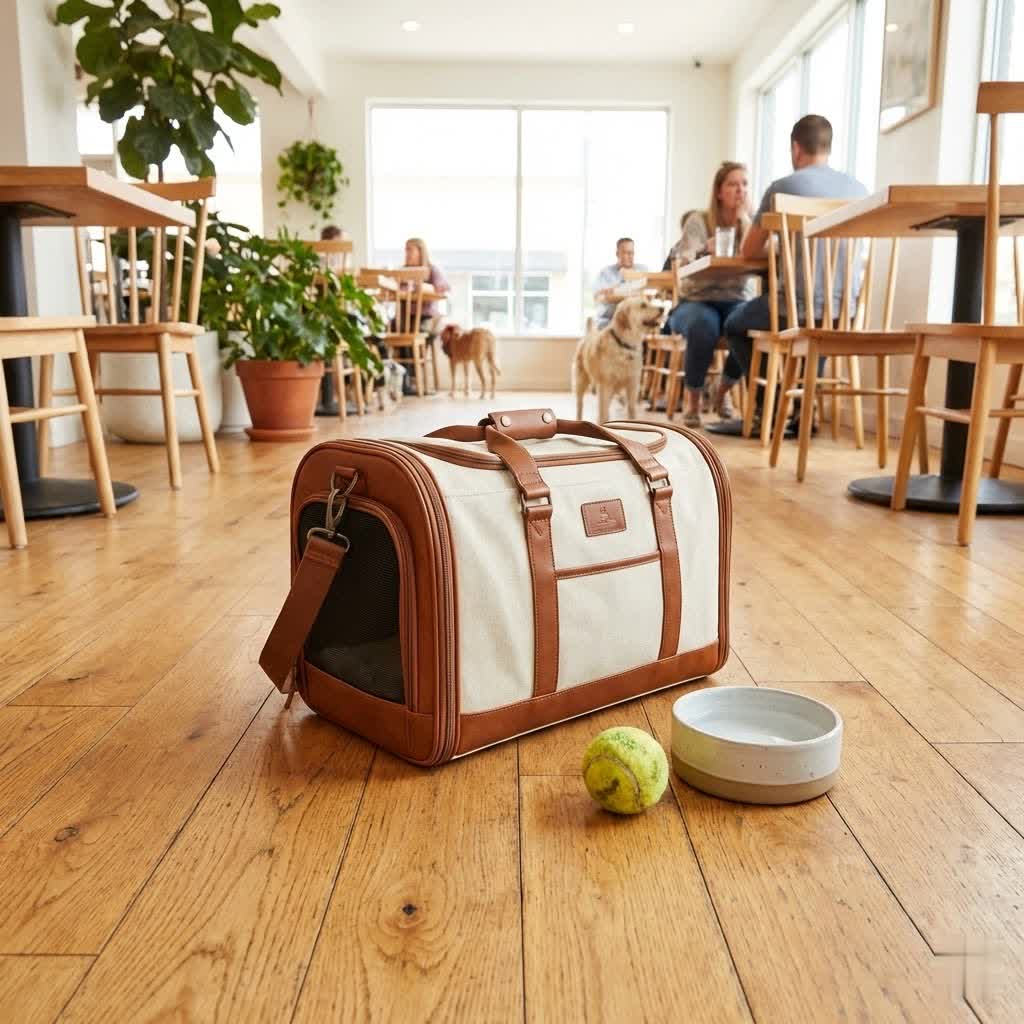
Popular Types of Airline-Approved Pet Carriers
When it comes to air travel, specific carrier types are favored due to their compliance with under-seat requirements and overall pet comfort. Understanding these variations will help you pinpoint the ideal solution for your companion.
Soft-Sided Pet Carriers
Soft-sided carriers are the most common choice for in-cabin airline travel due to their flexibility. They are designed to conform to the tight spaces beneath airplane seats, making them highly versatile for various aircraft types. These carriers often feature mesh windows for ventilation, soft bedding for comfort, and convenient pockets for essentials.
- Advantages: Lightweight, flexible to fit under seats, often stylish, good ventilation.
- Disadvantages: Less protective than hard-sided carriers, may not be suitable for very anxious pets who chew.
- Best for: Small dogs and cats traveling in-cabin, short to medium flights.
|
Our Picks for the Best Pet Carrier in 2026
We may earn a commission when you use one of our links to make a purchase.
|
||
| Num | Product | Action |
|---|---|---|
| 1 | Henkelion Cat Carriers Dog Carrier Pet Carrier for Small / Medium Cats Dogs Puppies (Up To 15lbs), TSA Airline Approved Small Dog Carrier Soft Sided, Collapsible Waterproof Travel Puppy Carrier -Black |

|
| 2 | Morpilot Cat Carrier - Cat Carrier Soft for Medium or Large Cats up to 20lbs, with Dual-Sided Cushion, Secure Buckle and Foldable Bowl, Dog Carriers for Small Dogs - Pet Carrier (Dark Gray) |
|
| 3 | Texsens Innovative Traveler Bubble Backpack Pet Carriers for Cats and Dogs (Black) |
|
| 4 | Lekereise Cat Backpack Carriers, Dog Carrier Backpacks with Breathable Mesh for Small Medium Cats Dogs Puppy Up to 17 Lbs, Pet Foldable Carrying Backpack Ventilated for Travel Hiking Collapsible |
|
| 5 | Henkelion Cat Carriers Dog Carrier Pet Carrier For Small / Medium Cats Dogs Puppies (Up To 15lbs), TSA Airline Approved Small Dog Carrier Soft Sided, Collapsible Waterproof Travel Puppy Carrier - Grey |
|
| 6 | Cat Carrying Case Pet Dog Carrier Soft-Sided Cat Bag Airline Approved, Pet Travel Carrier Up to 15 Lbs, Collapsible Cats Carrier Dog Carrier for Medium Small Cats Dogs(17x11x11 Green) |
|
| 7 | Top and 2 Sides Expandable Large Cat Carrier 18x13.5x9.5, TSA Airline Approved Dog Carriers for Large Dogs, Soft-Sided Pet Carrier with Self-Locking Zippers for Kitten,Rabbit,Puppy, Black White |
|
| 8 | Dog Sling Carrier, Puppy Carrier Purse with Storage Pocket, Hand-Free Dog Carrier Sling for Carry Small Dogs and Cats, Puppy Essentials (Purple) |
|
| 9 | Amazon Basics 2-Door Top-Load Hard-Sided Dogs, Cats Pet Travel Carrier, Gray & Blue, 22.8"L x 15.0"W x 13.0"H |
|
| 10 | Pet Carrier for Large Cats, Soft-Sided Cat Carrier for Medium Big Cats and Puppy up to 20lbs, Washable Dog Carrier Privacy Protection for Home Outdoor Travel |
|
Hard-Sided Pet Carriers
While less common for in-cabin use due to their rigid structure, hard-sided carriers are mandatory for cargo travel. They offer superior protection and ventilation, ensuring your pet’s safety during transit in the plane’s climate-controlled cargo hold. These carriers typically feature durable plastic construction, secure latches, and ample space.
- Advantages: Maximum protection, excellent ventilation, very durable, easy to clean.
- Disadvantages: Bulky, heavy, generally not permitted in the cabin.
- Best for: Larger pets traveling as checked baggage or cargo, long flights, pets requiring extra protection.
Backpack Pet Carriers
Backpack carriers offer a hands-free solution for owners, particularly useful for navigating airports. Many models are specifically designed to meet airline dimensions for in-cabin travel, allowing your pet to ride on your back until boarding. They combine the convenience of a backpack with the features of a traditional pet carrier.
- Advantages: Hands-free convenience, ergonomic for the owner, good for active travelers.
- Disadvantages: Can be confining for pets, ventilation might be limited in some designs, difficult to monitor pet during travel.
- Best for: Small cats and dogs, owners who prefer to keep their hands free, short excursions.
Wheeled Pet Carriers
For pets that are too heavy to carry comfortably or for owners with mobility concerns, wheeled pet carriers provide an excellent solution. Many feature telescopic handles and sturdy wheels, making it easy to maneuver your pet through busy airports. Some designs are soft-sided and collapsible, allowing them to fit under seats.
- Advantages: Effortless transportation for heavier pets, reduces physical strain on the owner, often multi-functional.
- Disadvantages: Can be bulky, less agile in tight spaces, wheels may add weight.
- Best for: Small to medium-sized pets, owners with physical limitations, frequent travelers.
Comparing Airline Pet Carrier Types
To help you make an informed decision, here’s a quick comparison of the most popular types of airline pet carriers.
| Feature | Soft-Sided | Hard-Sided | Backpack | Wheeled |
|---|---|---|---|---|
| Airline Use | In-cabin | Cargo | In-cabin | In-cabin / Cargo |
| Flexibility | High | Low | Medium | Medium |
| Protection | Medium | High | Medium | Medium |
| Ventilation | Good | Excellent | Good | Good |
| Portability | High | Low | High | Medium |
| Ease of Use | High | Medium | High | High |
| Price Range | Low-Medium | Medium-High | Medium | Medium-High |
Essential Buying Guide: How to Select the Perfect Airline Pet Carrier
Choosing the right carrier goes beyond just picking a type; it involves careful consideration of several critical factors to ensure your pet’s safety, comfort, and airline compliance.
Size Matters: Ensuring a Comfortable Fit
The most crucial aspect is selecting a carrier that is appropriately sized for your pet. Your pet must be able to stand up, turn around, and lie down in a natural position without touching the top or sides of the carrier. Each airline has specific dimensions for under-seat carriers, so always check your chosen airline’s website before purchasing. A common mistake is buying a carrier that is too small, which can cause discomfort and stress for your pet during travel.
- Measure Your Pet: Measure your pet’s length from the tip of the nose to the base of the tail, and height from the top of the head to the floor when standing. Add a few inches to these measurements for comfort.
- Check Airline Regulations: Airline dimensions for in-cabin carriers vary significantly. Always verify the maximum allowable length, width, and height with your specific airline.
Material and Construction: Durability and Safety
The material of the carrier directly impacts its durability, ventilation, and your pet’s safety. Look for carriers made from robust, non-toxic materials that can withstand the rigors of travel and resist clawing or chewing.
- Soft-Sided: Opt for carriers made with durable, rip-resistant nylon or polyester, often with a waterproof lining. Mesh windows should be strong and claw-proof.
- Hard-Sided: High-impact plastic or fiberglass is ideal for cargo carriers, ensuring structural integrity and protection.
- Ventilation: Ample mesh windows or ventilation holes are critical to prevent overheating and ensure a steady supply of fresh air.
- Security: Zippers should be self-locking or feature safety clasps to prevent accidental escapes.
Key Features for Stress-Free Travel
Modern pet carriers come with a range of features designed to enhance both pet and owner comfort.
- Multiple Entry Points: Top and side entry options make it easier to load and unload your pet, reducing stress.
- Comfortable Interior: A removable, washable fleece or faux-sheepskin liner provides a soft resting place.
- Storage Pockets: Convenient pockets for treats, waste bags, or travel documents are a huge plus.
- Leash Clip: An interior leash clip can prevent your pet from bolting when the carrier is opened.
- Collapsibility: Many soft-sided and wheeled carriers can be folded flat for easy storage when not in use.
- Airline Compliance Tags: Some carriers explicitly state their airline approval, which can offer peace of mind.
Choosing Reputable Brands
Investing in a carrier from a reputable brand can make a significant difference in quality and compliance. Brands known for their pet travel products often conduct extensive testing to meet airline standards and prioritize pet safety. Read reviews from other pet owners to gauge real-world performance and durability. “Always prioritize carriers that explicitly state compliance with major airline dimensions and safety standards,” advises a leading pet travel expert.
Top Pet Carrier Models for Airline Travel
While specific product names and prices can fluctuate, here are examples of carrier characteristics highly favored by pet owners for their reliability and pet comfort during air travel.
Elite Traveler Soft-Sided Carrier
This type of carrier is celebrated for its lightweight yet sturdy design. It often features expandable sides, providing extra room for pets during layovers or when waiting at the gate. With multiple mesh windows and a comfortable fleece bed, it ensures good ventilation and a cozy environment. The carrier typically includes seatbelt straps for car travel, making it versatile for various transport needs.
- Key advantages: Expandable compartments, robust construction, excellent ventilation, versatile for car and air travel.
- Ideal for: Small to medium-sized cats and dogs.
Secure Cargo Hard-Sided Kennel
Designed with safety as the utmost priority, this model is the go-to for cargo travel. It features heavy-duty plastic construction, secure bolt-and-nut assembly, and ample ventilation on all four sides. Many models meet IATA (International Air Transport Association) guidelines, offering clear labels for pet identification and proper handling. It includes a water bowl and absorbent bedding.
- Key advantages: IATA compliant, superior protection, excellent airflow, very durable.
- Ideal for: Medium to large dogs and other larger animals traveling in cargo.
Explorer Backpack Carrier
This ergonomic backpack carrier allows pet owners to comfortably carry their small pets through the airport. It often boasts a semi-rigid structure that maintains its shape, preventing pets from feeling squashed. With padded shoulder straps and a chest buckle, it distributes weight evenly. Ample mesh panels and a soft interior pad ensure comfort for the pet, and a front entry offers easy access.
- Key advantages: Hands-free convenience, ergonomic design, good ventilation, comfortable for both pet and owner.
- Ideal for: Small cats, puppies, and toy dog breeds.
Conclusion
Selecting the Best Airline Pet Carrier is a critical step in planning any trip with your furry companion. By carefully considering your pet’s size, the type of travel (in-cabin or cargo), and essential safety and comfort features, you can ensure a smooth, secure, and stress-free journey for both of you. Remember to always double-check your chosen airline’s specific pet travel policies and dimensions well in advance of your departure. With the right pet carrier, you and your four-legged friend can embark on many memorable adventures together. What exciting destinations are you dreaming of exploring with your pet?
Frequently Asked Questions
Can all pet carriers be used for airline travel?
No, not all pet carriers are suitable for airline travel. Carriers must meet strict size and construction requirements set by individual airlines and international aviation authorities. Always check your specific airline’s pet policy for maximum dimensions, ventilation standards, and material requirements before purchasing.
How do I know if my pet carrier is airline-approved?
Look for carriers that explicitly state “airline approved” or “IATA compliant” in their product description. However, this is just a starting point. You must verify the carrier’s dimensions against your chosen airline’s current regulations, as these can vary significantly and change.
What should I put in my pet’s carrier for a flight?
For in-cabin travel, include a soft, absorbent bed, a favorite toy (non-squeaky), and a small bag of treats. For cargo travel, a secure water bowl (attachable to the door), absorbent bedding, and a label with your contact information are essential. Avoid anything that could become a choking hazard.