Choosing the perfect cat carrier is more than just selecting a box; it’s about ensuring your feline friend’s safety, comfort, and peace of mind during travel, vet visits, or emergencies. As an Admin for ReviewNeko.com with over a decade of hands-on experience in pet products, I understand the critical factors pet parents weigh when making this important decision. This guide, tailored to help you navigate options available at retailers like PetSmart, will equip you with the knowledge to find the ideal carrier for your beloved companion.
Understanding Common Types of Cat Carriers
Pet carriers come in a variety of designs, each offering distinct advantages and disadvantages. Knowing these types will help you narrow down your choices, whether you’re browsing the aisles at PetSmart or shopping online.
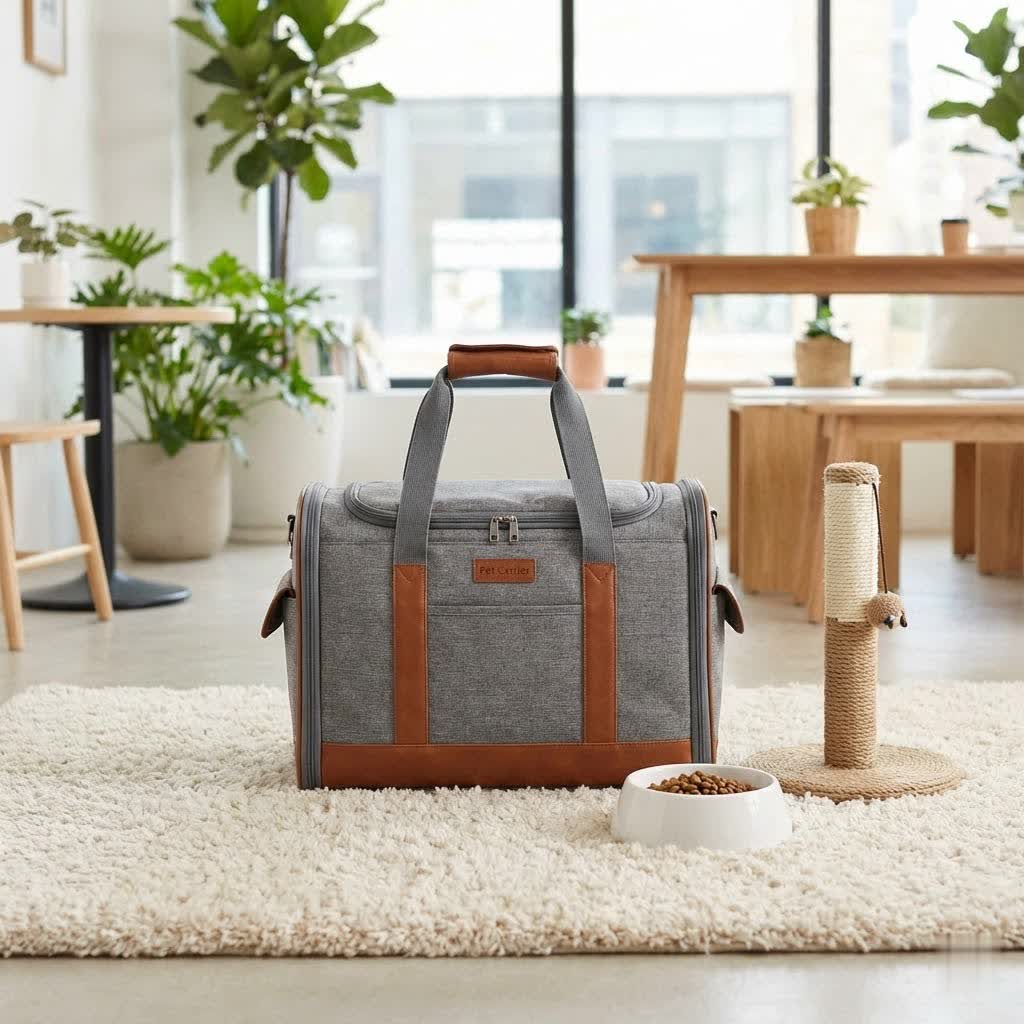
Soft-Sided Pet Carriers
Soft-sided carriers, often resembling stylish bags or duffels, are typically made from fabric materials like nylon or polyester. They are a popular choice for their lightweight nature and ease of storage, often collapsing flat when not in use.
- Pros: Lightweight, portable, often fashionable, comfortable for anxious cats due to their enclosed, bed-like feel. They can be easier to store in small spaces.
- Cons: Less rigid, may offer less protection in an impact, can be harder to clean if accidents occur, and may not be suitable for all airlines.
- Best for: Small to medium-sized cats, short trips to the vet, car travel, or as a cozy resting spot at home.
|
Our Picks for the Best Pet Carrier in 2026
We may earn a commission when you use one of our links to make a purchase.
|
||
| Num | Product | Action |
|---|---|---|
| 1 | Dog Sling Carrier, Puppy Carrier Purse with Storage Pocket, Hand-Free Dog Carrier Sling for Carry Small Dogs and Cats, Puppy Essentials (Purple) |

|
| 2 | Cat Carrying Case Pet Dog Carrier Soft-Sided Cat Bag Airline Approved, Pet Travel Carrier Up to 15 Lbs, Collapsible Cats Carrier Dog Carrier for Medium Small Cats Dogs(17x11x11 Green) |
|
| 3 | Top and 2 Sides Expandable Large Cat Carrier 18x13.5x9.5, TSA Airline Approved Dog Carriers for Large Dogs, Soft-Sided Pet Carrier with Self-Locking Zippers for Kitten,Rabbit,Puppy, Black White |
|
| 4 | Pet Carrier for Large Cats, Soft-Sided Cat Carrier for Medium Big Cats and Puppy up to 20lbs, Washable Dog Carrier Privacy Protection for Home Outdoor Travel |
|
| 5 | Amazon Basics 2-Door Top-Load Hard-Sided Dogs, Cats Pet Travel Carrier, Gray & Blue, 22.8"L x 15.0"W x 13.0"H |
|
| 6 | Henkelion Cat Carriers Dog Carrier Pet Carrier for Small / Medium Cats Dogs Puppies (Up To 15lbs), TSA Airline Approved Small Dog Carrier Soft Sided, Collapsible Waterproof Travel Puppy Carrier -Black |
|
| 7 | Texsens Innovative Traveler Bubble Backpack Pet Carriers for Cats and Dogs (Black) |
|
| 8 | Morpilot Cat Carrier - Cat Carrier Soft for Medium or Large Cats up to 20lbs, with Dual-Sided Cushion, Secure Buckle and Foldable Bowl, Dog Carriers for Small Dogs - Pet Carrier (Dark Gray) |
|
| 9 | Henkelion Cat Carriers Dog Carrier Pet Carrier For Small / Medium Cats Dogs Puppies (Up To 15lbs), TSA Airline Approved Small Dog Carrier Soft Sided, Collapsible Waterproof Travel Puppy Carrier - Grey |
|
| 10 | Lekereise Cat Backpack Carriers, Dog Carrier Backpacks with Breathable Mesh for Small Medium Cats Dogs Puppy Up to 17 Lbs, Pet Foldable Carrying Backpack Ventilated for Travel Hiking Collapsible |
|
Hard-Sided Pet Carriers (Crates)
These traditional carriers are constructed from durable plastic, offering a sturdy and secure environment for your cat. They are recognized for their robust protection and excellent ventilation.
- Pros: Highly durable, provide superior protection, easy to clean and sanitize, offer ample ventilation, and are often airline-approved. Carriers with removable tops are “incredibly helpful when trying to get your cat out at the vets without causing stress,” according to Blue Cross vet Anna Ewers Clark.
- Cons: Can be bulky and heavy, more difficult to store, and less flexible in design.
- Best for: Larger cats, longer journeys, air travel, cats prone to escaping, or situations requiring maximum protection and hygiene.
Backpack Pet Carriers
Backpack carriers allow you to carry your cat on your back, freeing your hands for other tasks. They are particularly favored by those who enjoy walking, hiking, or simply prefer hands-free transport.
- Pros: Hands-free convenience, ergonomic weight distribution (especially for longer walks), can provide a unique viewing experience for your cat. The PetSmart “Top Paw Functional All-Day Backpack” is noted for being spacious and comfortable for extended wear.
- Cons: Can be less stable than other types, some designs may offer limited ventilation or make it harder to monitor your pet. Not all designs provide the necessary privacy for anxious cats.
- Best for: Small to medium-sized cats, active pet owners, short walks, or exploring pet-friendly environments.
Wheeled Pet Carriers
Designed for effortless transport, wheeled carriers feature built-in wheels and a retractable handle, similar to luggage. They are excellent for maneuvering heavier cats or for owners who want to avoid lifting.
- Pros: Reduces physical strain, easy to move through airports or flat surfaces, spacious for larger cats.
- Cons: Can be cumbersome on uneven terrain or stairs, often bulkier and more expensive, and may not fit under airplane seats.
- Best for: Large or elderly cats, owners with mobility issues, long-distance travel, or navigating busy terminals.
Pet Carrier Comparison Chart
To help you visualize the differences, here’s a quick comparison of the most popular cat carrier types:
| Feature | Soft-Sided (Bag) | Hard-Sided (Crate) | Backpack | Wheeled |
|---|---|---|---|---|
| Size | Small to Medium | Medium to Large | Small to Medium | Large |
| Durability | Moderate | High | Moderate | High |
| Ventilation | Good (mesh panels) | Excellent | Varies (mesh) | Good |
| Portability | High | Low | High (hands-free) | High (on wheels) |
| Cleaning | Moderate | Easy | Moderate | Moderate |
| Cost | Low to Medium | Medium | Medium to High | High |
| Safety | Good | Excellent | Good | Good |
Expert Guide: How to Choose the Right Pet Carrier
Selecting the best cat carrier requires careful consideration of several factors, ensuring it meets both your needs and, most importantly, your cat’s comfort and safety.
Size and Comfort
The carrier must be appropriately sized for your cat. Your feline companion should be able to stand up, turn around completely, and lie down comfortably in a natural position. Measure your cat’s length from nose to tail base, and its height from paw to the top of its head when standing. Add a few extra inches to these measurements to ensure ample space. Overly large carriers can make cats feel insecure, while carriers that are too small can cause stress and discomfort.
Material and Durability
The material affects a carrier’s durability, ease of cleaning, and ventilation.
- Plastic carriers are robust, easy to sanitize, and offer excellent protection.
- Fabric carriers are lighter and more flexible but may absorb odors and require more effort to clean thoroughly. Ensure any fabric is tear-resistant and non-toxic.
- Look for strong zippers, reinforced seams, and sturdy latches that can withstand a determined cat.
Ventilation and Safety Features
Good airflow is crucial to prevent overheating and reduce anxiety. Look for carriers with ample mesh windows or ventilation holes. For safety, ensure all doors have secure, cat-proof latches. “Privacy, good ventilation, and ease of disassembly” are key features, as advised by vet Anna Ewers Clark. A carrier with multiple entry points, especially a top-loading option, can significantly reduce stress during vet visits or when coaxing a reluctant cat inside.
Ease of Access and Cleaning
A carrier that’s easy to open and close is a blessing, especially with a nervous cat. Top-loading designs are highly recommended as they allow you to gently lower your cat into the carrier, avoiding a stressful struggle. Easy cleaning is also paramount; look for carriers with removable, machine-washable liners or those made from materials that can be quickly wiped down and disinfected.
Brand and Reputation
When shopping at PetSmart, consider their in-house brands like Top Paw, which offers a range of carriers. Researching customer reviews can provide real-world insights into a product’s performance and durability. A brand with a good reputation typically signifies reliable quality and customer satisfaction.
“The material for the cat carrier is less important than the design,” says Blue Cross vet Anna Ewers Clark. “Having a carrier that opens at the top is key to keeping your cat happy. It’s also important to make sure the carrier is easy to clean and assemble or disassemble, especially if you have more than one cat.”
Top Picks for Cat Carriers at PetSmart (Examples)
While specific stock can vary, PetSmart consistently offers a variety of high-quality carriers across different types. Based on general popularity and features, here are examples of what you might find:
Top Paw Soft-Sided Carrier
- Description: These popular soft-sided options often feature mesh windows, comfortable handles, and a cozy interior. They are usually designed for smaller cats and are excellent for quick trips.
- Key Advantages: Lightweight, portable, often includes a removable fleece bed, and is generally airline-approved for in-cabin travel.
- Price Reference: Typically in the medium range.
Top Paw Hard-Sided Pet Carrier
- Description: A classic choice for durability and security, these plastic carriers come with wire or plastic doors, good ventilation, and often feature a top-loading option.
- Key Advantages: Very sturdy, easy to clean, provides excellent protection, and prevents escapes effectively.
- Price Reference: Usually in the budget to medium range.
Top Paw Functional All-Day Backpack
- Description: This PetSmart-branded backpack carrier is designed for functionality and comfort. It’s often spacious enough for cats, even though it may be marketed for small dogs, offering good value for its $49.99 price point.
- Key Advantages: Hands-free convenience, excellent for distributing weight on longer outings, and provides a secure, enclosed space.
- Price Reference: Mid-range at approximately $49.99.
Conclusion
Selecting the right cat carrier from PetSmart means balancing your cat’s comfort and safety with your practical needs. Prioritize a carrier that is the correct size, offers excellent ventilation and secure entry points, and is easy to clean. Whether you opt for a cozy soft-sided bag, a protective hard-sided crate, or a hands-free backpack like the Top Paw Functional All-Day Backpack, making an informed choice will ensure happier, stress-free travels for both you and your feline companion. Remember to introduce your cat to the carrier gradually, making it a familiar and positive space even before travel.
What kind of adventures will you and your cat embark on with the perfect carrier?
Frequently Asked Questions
What’s the best way to get my cat into a carrier without stress?
Preparation is key! Leave the carrier out as a regular, comfy bed in your home, not just when you need to travel. This familiarizes your cat with it. When it’s time to travel, try to gently guide your cat in, either head-first or by lowering them in through a top-opening carrier. “It’s really important to avoid stressing your cat,” advises vet Anna Ewers Clark, as this will make future attempts even harder.
Can I use a dog carrier for my cat?
Yes, often dog carriers, especially smaller ones, can be suitable for cats, provided they meet the appropriate size, ventilation, and safety requirements. The PetSmart “Top Paw Functional All-Day Backpack,” while designed for dogs, is considered spacious enough for cats. Always ensure there are no dog-specific features that might be uncomfortable or unsafe for a cat.
What should I put inside the carrier to make my cat comfortable?
A non-slip blanket or a vet bed is ideal, providing familiar scents and preventing your cat from sliding around. Avoid bulky beds that restrict space or ventilation, and use newspaper or absorbent pads carefully, ensuring there are still non-slip, soft items.
How do I clean a cat carrier effectively?
For hard-sided carriers, wipe them down with pet-safe disinfectant and rinse thoroughly. For soft-sided carriers, check if the lining is removable and machine-washable. For the carrier itself, spot clean with mild soap and water, and allow it to air dry completely to prevent mildew.
Are PetSmart cat carriers airline approved?
Many soft-sided carriers available at PetSmart, including some Top Paw models, are designed to meet general airline in-cabin requirements (fitting under the seat). Hard-sided carriers may be suitable for cargo. Always double-check your specific airline’s dimensions and requirements before traveling, as rules can vary.