Traveling with your beloved pet can be a joyous experience, but navigating airline regulations is often the trickiest part. Delta Air Lines, like other major carriers, has specific requirements for pets traveling in the cabin to ensure the safety and comfort of all passengers, including your four-legged companion. Understanding these rules, especially concerning your pet carrier, is paramount to a stress-free journey. This comprehensive guide will walk you through everything you need to know about selecting a Delta Approved Pet Carrier and preparing for your flight.
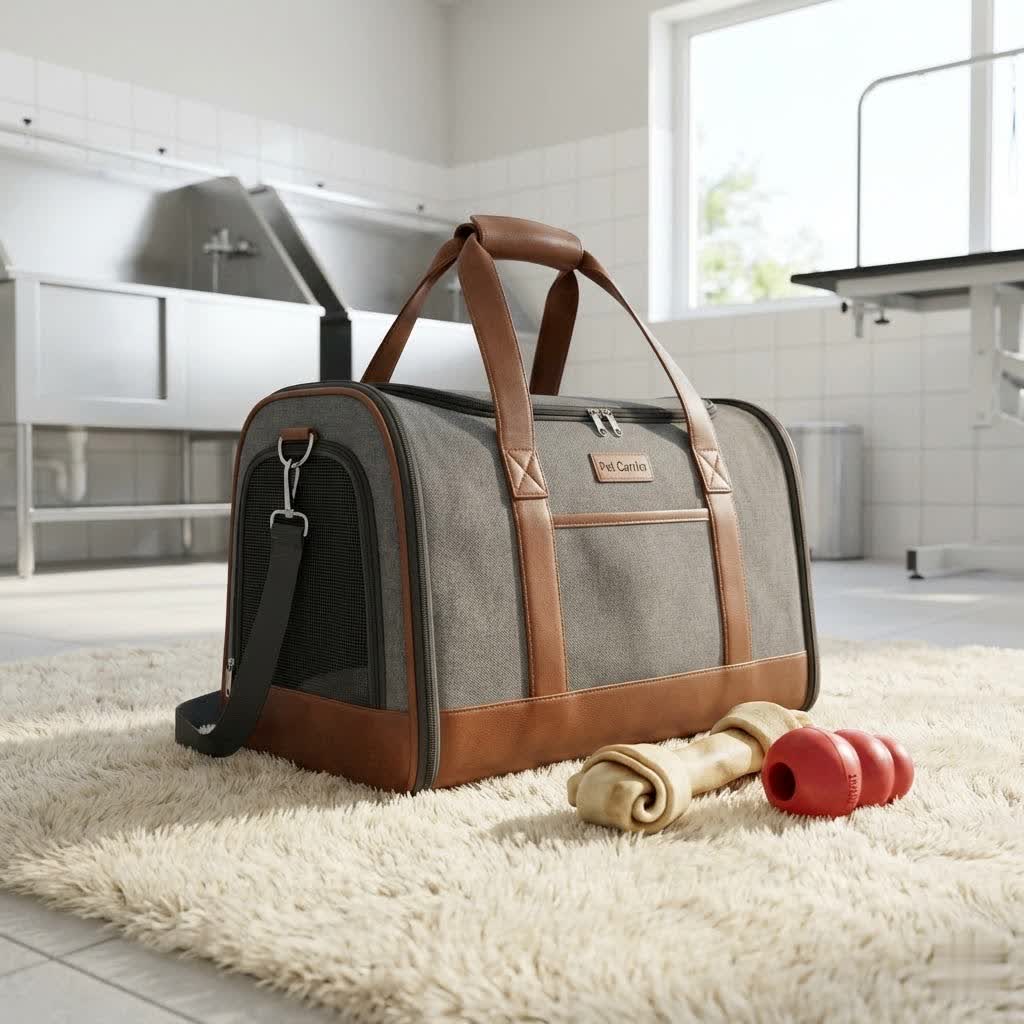
Understanding Delta’s Pet Carrier Requirements
Delta’s policies are designed to ensure your pet remains safe and comfortable throughout the journey while fitting securely under the seat in front of you. Adhering to these guidelines from the outset is crucial, as non-compliant carriers can lead to your pet being denied boarding.
General Philosophy and Fit
|
Our Picks for the Best Pet Carrier in 2026
We may earn a commission when you use one of our links to make a purchase.
|
||
| Num | Product | Action |
|---|---|---|
| 1 | Henkelion Cat Carriers Dog Carrier Pet Carrier for Small / Medium Cats Dogs Puppies (Up To 15lbs), TSA Airline Approved Small Dog Carrier Soft Sided, Collapsible Waterproof Travel Puppy Carrier -Black |

|
| 2 | Top and 2 Sides Expandable Large Cat Carrier 18x13.5x9.5, TSA Airline Approved Dog Carriers for Large Dogs, Soft-Sided Pet Carrier with Self-Locking Zippers for Kitten,Rabbit,Puppy, Black White |
|
| 3 | Amazon Basics 2-Door Top-Load Hard-Sided Dogs, Cats Pet Travel Carrier, Gray & Blue, 22.8"L x 15.0"W x 13.0"H |
|
| 4 | Dog Sling Carrier, Puppy Carrier Purse with Storage Pocket, Hand-Free Dog Carrier Sling for Carry Small Dogs and Cats, Puppy Essentials (Purple) |
|
| 5 | Morpilot Cat Carrier - Cat Carrier Soft for Medium or Large Cats up to 20lbs, with Dual-Sided Cushion, Secure Buckle and Foldable Bowl, Dog Carriers for Small Dogs - Pet Carrier (Dark Gray) |
|
| 6 | Cat Carrying Case Pet Dog Carrier Soft-Sided Cat Bag Airline Approved, Pet Travel Carrier Up to 15 Lbs, Collapsible Cats Carrier Dog Carrier for Medium Small Cats Dogs(17x11x11 Green) |
|
| 7 | Texsens Innovative Traveler Bubble Backpack Pet Carriers for Cats and Dogs (Black) |
|
| 8 | Lekereise Cat Backpack Carriers, Dog Carrier Backpacks with Breathable Mesh for Small Medium Cats Dogs Puppy Up to 17 Lbs, Pet Foldable Carrying Backpack Ventilated for Travel Hiking Collapsible |
|
| 9 | Henkelion Cat Carriers Dog Carrier Pet Carrier For Small / Medium Cats Dogs Puppies (Up To 15lbs), TSA Airline Approved Small Dog Carrier Soft Sided, Collapsible Waterproof Travel Puppy Carrier - Grey |
|
| 10 | Pet Carrier for Large Cats, Soft-Sided Cat Carrier for Medium Big Cats and Puppy up to 20lbs, Washable Dog Carrier Privacy Protection for Home Outdoor Travel |
|
The fundamental rule is that your pet must be small enough to fit comfortably within a carrier that slides completely under the seat in front of you. This means your pet should be able to stand up, turn around, and lie down in a natural position without any part of their body touching or protruding from the carrier’s sides or top. Soft-sided carriers are generally recommended because their flexible nature allows for some give, making them easier to fit into the varying under-seat spaces across different aircraft types. While Delta recommends average maximum dimensions of 18” x 11” x 11” for soft-sided carriers, it’s vital to remember that the exact under-seat dimensions can vary by the specific aircraft you’ll be flying on. Therefore, always verify the appropriate kennel size for your flight by contacting Delta Reservations or Global Sales Support.
Key Carrier Specifications
Beyond size, several other design and construction features are mandatory for a Delta-approved pet carrier:
- Ventilation: Your carrier must provide adequate airflow. This means having ventilation openings on at least three sides for domestic travel within the U.S. and four sides for international journeys. This ensures your pet receives sufficient fresh air during the flight.
- Leak-Proof Bottom: To prevent any accidents from affecting other passengers or the aircraft, the carrier must have a leak-proof bottom. It’s also highly recommended to include an absorbent pet pad inside.
- Secure Fasteners: The carrier must have secure, heavy-duty fasteners or zippers that prevent your pet from escaping, especially during boarding, deplaning, and while in the cabin. Your pet must remain fully enclosed with the door secured at all times when in Delta boarding areas, Sky Clubs, and on the aircraft.
- Material: While soft-sided carriers are preferred for their flexibility, they must still be sturdy enough to contain your pet safely and made from durable, non-toxic materials.
Pet-Specific Travel Rules
Delta also has rules concerning the pets themselves that impact carrier choice and travel planning:
- Eligible Species: Only small dogs, cats, and household birds are permitted to travel in the cabin. Please note that household birds are only allowed on domestic U.S. flights.
- Age Requirements: For domestic travel, pets must be at least 8 weeks old. For international travel to the U.S. or European Union, pets must be at least 15 to 16 weeks old. If traveling to the United States, dogs must be at least 6 months old and microchipped, adhering to CDC requirements.
- Number of Pets Per Carrier: Typically, only one pet is allowed per carrier. However, there are exceptions for domestic U.S. flights: a female dog or cat may travel with her litter if the offspring are between 8 weeks and 6 months old, provided they all fit comfortably and safely. Additionally, two pets of the same breed and size, between 8 weeks and 6 months old, may be allowed in one kennel if they fit comfortably and are compatible, and they will be charged as one pet.
- Seating Restrictions: If you are traveling with a pet in the cabin, you will not be permitted to sit in bulkhead seats, emergency exit rows, seats designated as “no stowage,” flat-bed or Delta One seats, or specific rows on certain aircraft types. These restrictions are due to the requirement for the carrier to fit under the seat in front of you without impeding egress or airline operations.
Types of Pet Carriers Suitable for Delta Travel
When choosing a Delta approved pet carrier, the type of carrier you select will primarily be a soft-sided bag due to airline restrictions.
Soft-Sided Carriers
These are by far the most recommended type for in-cabin airline travel, including on Delta. Their flexible construction makes them adaptable to the under-seat space.
- Advantages: Soft-sided carriers are lightweight, often foldable for easy storage, and can slightly compress to fit into tighter spaces under airplane seats. Many designs include additional pockets for storing treats, waste bags, or travel documents. The mesh panels typically found on these carriers provide ample ventilation and allow your pet to see their surroundings, which can reduce anxiety.
- Disadvantages: While flexible, they offer less rigid protection than hard-sided crates. It’s crucial to ensure the carrier has a sturdy, flat bottom to provide a stable base for your pet.
- Suitable For: Most small to medium-sized dogs and cats that meet Delta’s size and weight requirements for in-cabin travel.
Comparison of Carrier Types (Focusing on In-Cabin Suitability)
While there are many types of pet carriers, for Delta in-cabin travel, soft-sided is overwhelmingly preferred. Hard-sided, backpack, and wheeled carriers generally do not meet the “under-seat” and “flexible” criteria for in-cabin travel.
| Feature | Soft-Sided Carrier | Hard-Sided Crate (Generally for Cargo) |
|---|---|---|
| Kích thước | Flexible, can compress for under-seat fit | Rigid, fixed dimensions |
| Độ bền | Good, depends on material | Very high |
| Thoáng khí | Often excellent with mesh panels | Varies, usually good |
| Tiện lợi | Lightweight, easy to carry, fits under seat | Bulky, not for in-cabin |
| Giá | Mid-range | Mid to high-range |
Buying Guide: Choosing Your Delta Approved Pet Carrier
Selecting the right carrier is a critical step in ensuring a smooth trip. Consider these factors when making your choice:
Size and Pet Comfort
The golden rule is your pet’s comfort. Measure your pet from the tip of their nose to the base of their tail, and from the top of their head to the ground. The carrier must be large enough for them to stand, sit, lie down, and turn around comfortably. While Delta suggests an 18” x 11” x 11” soft-sided carrier, always cross-reference this with the under-seat dimensions of your specific aircraft, which can vary. A carrier that is slightly smaller in height but offers good length and width can sometimes be preferable if it allows your pet to comfortably adjust their position.
Material and Ventilation
Opt for carriers made from durable, lightweight, and non-toxic materials. High-quality nylon or polyester with sturdy mesh panels is ideal. The mesh should be tear-resistant and provide ample ventilation on at least three sides for domestic travel, and four sides for international. A waterproof lining or bottom is also a must-have to contain any potential accidents.
Security and Safety Features
Look for robust zippers that can be secured, potentially with a small clip or lock, to prevent accidental openings. The carrier should have a stable, firm bottom that won’t sag when your pet is inside, ensuring their stability and comfort. Strong, comfortable handles and an optional shoulder strap or a sleeve to slide over luggage handles will make airport navigation easier.
Added Comfort Features
While not mandatory, features like a removable, washable fleece pad can significantly enhance your pet’s comfort. Some carriers offer expandable sections that can be unzipped once you’re settled in your seat, providing extra room for your pet to stretch (as long as it doesn’t obstruct the aisle or other passengers).
Brand Reputation
Choosing a reputable brand known for producing airline-compliant carriers can offer peace of mind. Brands like Sherpa and SturdiBag are frequently mentioned by experienced pet travelers for their quality and ability to meet airline regulations. Reading reviews from other pet owners who have flown with their carriers on Delta can provide valuable insights.
Top Delta Approved Pet Carrier Recommendations
While specific models can vary, some carriers consistently receive high marks for meeting Delta’s requirements and pet comfort:
Sherpa Original Deluxe Pet Carrier
- Description: A classic soft-sided carrier known for its patented spring wire frame that allows the rear end of the carrier to be pushed down several inches to conform to under-seat dimensions.
- Key Advantages: Comes in various sizes, often with a “Guaranteed On-Board” program. It features mesh windows for ventilation, top and side entry, a safety strap, and a washable faux lambskin liner.
- Approximate Price: Mid-range.
- Why it’s Delta-Friendly: Its flexible design makes it highly adaptable to different aircraft under-seat spaces, and its sturdy construction meets safety requirements. Many pet owners report success flying with Sherpa carriers on Delta.
SturdiBag Flexible Height Pet Carrier
- Description: Designed with flexible support rods, the SturdiBag can “squish” or expand to fit under seats while maximizing interior space for your pet.
- Key Advantages: Lightweight, durable fabric, ample ventilation, and a comfortable fleece pad. Available in several sizes, with the medium and large typically suitable for in-cabin travel.
- Approximate Price: Mid-range to high-range.
- Why it’s Delta-Friendly: The unique flexible frame is perfect for adapting to Delta’s varying under-seat dimensions, providing maximum space for your pet within the airline’s constraints.
Love Thy Beast Nylon Pet Travel Carrier
- Description: A stylish and durable soft-sided carrier that has been specifically tested and shown to fit easily under seats on Delta and other major airlines.
- Key Advantages: Lightweight, strong nylon construction, mesh paneling for privacy and ventilation, supportive shoulder straps, and a loop for suitcase handles for easy transport. The roomy interior allows pets to move comfortably.
- Approximate Price: High-range.
- Why it’s Delta-Friendly: Its proven fit on Delta flights, combined with features prioritizing both pet comfort and owner convenience, makes it a top choice.
“When choosing a pet carrier, always prioritize your pet’s ability to stand and turn around comfortably. A soft-sided carrier with good ventilation is your best bet for a Delta flight.” – Dr. Emily R. Carter, DVM, Veterinary Travel Specialist.
Tips for a Smooth Delta Flight with Your Pet
Beyond the carrier, careful planning will make the journey much more pleasant for both you and your pet.
Booking and Reservations
Book your pet’s travel in advance. Delta has a limited number of pets allowed in the cabin per flight, so securing a spot early is crucial. You can often add your pet during the online booking process or by contacting Delta Reservations directly. Confirming the specific under-seat dimensions for your aircraft type is also highly recommended at this stage.
Vet Visit and Health Certificates
Schedule a vet visit close to your travel date to ensure your pet is healthy enough to fly. While Delta generally doesn’t require a health certificate for domestic in-cabin travel, it’s a good practice, and some states or international destinations will require one, along with vaccination records. Always check the specific entry requirements for your destination, especially for international travel, as CDC guidelines for dogs entering the U.S. can be strict.
Acclimating Your Pet to the Carrier
Introduce your pet to the carrier well before the travel date. Make it a positive experience by placing familiar blankets, toys, and treats inside. Leave the carrier open around the house so your pet can explore it and associate it with comfort and safety, not just travel.
Day of Travel Essentials
- Collar and ID Tag: Ensure your pet has a collar with up-to-date ID tags.
- Leash: Keep a leash handy for when your pet is outside the carrier in designated airport areas.
- Water Bottle and Collapsible Bowl: Offer water before and after the flight, but avoid over-hydrating to minimize accidents.
- Small Bag of Food/Treats: For comfort and routine.
- Waste Bags: For inevitable potty breaks.
- Familiar Blanket/Toy: To provide comfort and familiarity during the flight.
- Medications (if needed): Consult your vet before considering sedatives, as they can sometimes have adverse effects at altitude.
During the Flight
Once onboard, slide the carrier under the seat in front of you. Your pet must remain inside the carrier with the door secured for the entire flight. Avoid opening the carrier, even briefly. Talk to your pet in a reassuring voice, and if they become anxious, gently rub the carrier to let them know you’re there.
Conclusion
Flying with your pet on Delta can be a rewarding experience, connecting you and your companion to new adventures. The key to a smooth journey lies in meticulous preparation, starting with selecting the right Delta approved pet carrier. By understanding and adhering to Delta’s size, ventilation, and security requirements, and prioritizing your pet’s comfort, you can ensure a safe and stress-free trip. Remember to book early, visit the vet, and acclimate your pet to their carrier well in advance. With these steps, you’ll be well on your way to a wonderful journey together.
What exciting destinations are you planning to explore with your furry family member?
Câu Hỏi Thường Gặp
What are Delta’s exact pet carrier size limits for in-cabin travel?
Delta recommends a soft-sided pet carrier with maximum dimensions of approximately 18″ x 11″ x 11″. However, under-seat space can vary by aircraft, so it’s always best to contact Delta Reservations to confirm the precise dimensions for your specific flight. The carrier must fit completely under the seat in front of you without obstructing the aisle.
Can I bring a hard-sided carrier for my pet in the Delta cabin?
Generally, no. Delta, like most airlines, recommends soft-sided carriers for in-cabin travel. Hard-sided carriers are typically too rigid to fit under the varying under-seat dimensions of aircraft and do not offer the flexibility needed to comply with the storage requirements.
Does my pet need a health certificate to fly on Delta?
For domestic in-cabin travel within the contiguous U.S., a health certificate is generally not required by Delta. However, requirements can vary for international travel, Hawaii, or specific states, and CDC rules apply for dogs entering the U.S. It’s always wise to check with your veterinarian and the destination’s regulations well in advance.
How many pets can I bring in one Delta approved pet carrier?
Typically, only one pet is allowed per carrier. Exceptions exist for domestic U.S. flights where a female pet can travel with her unweaned litter (8 weeks to 6 months old), or two compatible pets of the same breed and size (8 weeks to 6 months old) can share a single carrier if they fit comfortably and are charged as one pet.
What happens if my pet carrier doesn’t fit under the seat?
If your pet carrier does not fit completely and securely under the seat in front of you, Delta may deny boarding to your pet. It is crucial to measure your pet and carrier carefully, and consider a flexible soft-sided carrier to avoid last-minute issues at the airport.