Traveling with a large pet, whether it’s a majestic German Shepherd, a cuddly Golden Retriever, or even a spacious home for multiple cats, presents a unique set of challenges and considerations. Ensuring their comfort, safety, and well-being during any journey—from a quick vet visit to a cross-country adventure—hinges entirely on selecting the right Large Pet Carrier. This isn’t just about finding a big box; it’s about investing in a secure, well-ventilated, and appropriately sized haven that can withstand the rigors of travel while providing your furry friend with a stress-free experience. As an experienced pet product technician, I understand the critical elements that transform a simple carrier into an essential travel companion, and I’m here to guide you through making the best choice for your beloved large pet.
Types of Large Pet Carriers
When it comes to transporting larger animals, the options extend beyond basic bags. Each type of large pet carrier is designed with specific uses and pet needs in mind, offering varying levels of security, comfort, and portability. Understanding these distinctions is crucial for making an informed decision.
Hard-Sided Crates and Kennels
|
Our Picks for the Best Pet Carrier in 2026
We may earn a commission when you use one of our links to make a purchase.
|
||
| Num | Product | Action |
|---|---|---|
| 1 | Texsens Innovative Traveler Bubble Backpack Pet Carriers for Cats and Dogs (Black) |

|
| 2 | Henkelion Cat Carriers Dog Carrier Pet Carrier For Small / Medium Cats Dogs Puppies (Up To 15lbs), TSA Airline Approved Small Dog Carrier Soft Sided, Collapsible Waterproof Travel Puppy Carrier - Grey |
|
| 3 | Top and 2 Sides Expandable Large Cat Carrier 18x13.5x9.5, TSA Airline Approved Dog Carriers for Large Dogs, Soft-Sided Pet Carrier with Self-Locking Zippers for Kitten,Rabbit,Puppy, Black White |
|
| 4 | Henkelion Cat Carriers Dog Carrier Pet Carrier for Small / Medium Cats Dogs Puppies (Up To 15lbs), TSA Airline Approved Small Dog Carrier Soft Sided, Collapsible Waterproof Travel Puppy Carrier -Black |
|
| 5 | Amazon Basics 2-Door Top-Load Hard-Sided Dogs, Cats Pet Travel Carrier, Gray & Blue, 22.8"L x 15.0"W x 13.0"H |
|
| 6 | Lekereise Cat Backpack Carriers, Dog Carrier Backpacks with Breathable Mesh for Small Medium Cats Dogs Puppy Up to 17 Lbs, Pet Foldable Carrying Backpack Ventilated for Travel Hiking Collapsible |
|
| 7 | Cat Carrying Case Pet Dog Carrier Soft-Sided Cat Bag Airline Approved, Pet Travel Carrier Up to 15 Lbs, Collapsible Cats Carrier Dog Carrier for Medium Small Cats Dogs(17x11x11 Green) |
|
| 8 | Dog Sling Carrier, Puppy Carrier Purse with Storage Pocket, Hand-Free Dog Carrier Sling for Carry Small Dogs and Cats, Puppy Essentials (Purple) |
|
| 9 | Morpilot Cat Carrier - Cat Carrier Soft for Medium or Large Cats up to 20lbs, with Dual-Sided Cushion, Secure Buckle and Foldable Bowl, Dog Carriers for Small Dogs - Pet Carrier (Dark Gray) |
|
| 10 | Pet Carrier for Large Cats, Soft-Sided Cat Carrier for Medium Big Cats and Puppy up to 20lbs, Washable Dog Carrier Privacy Protection for Home Outdoor Travel |
|
Hard-sided crates, typically constructed from durable plastic or metal, are often the go-to choice for larger dogs and for air travel in cargo. They provide superior protection against impacts and offer a robust, den-like environment that many pets find secure. These carriers are less flexible than soft-sided options but excel in stability and overall safety, especially for pets traveling independently in cargo holds or for long car journeys where crash protection is a priority. Their solid structure also makes them easier to clean and sanitize.
Soft-Sided Travel Carriers
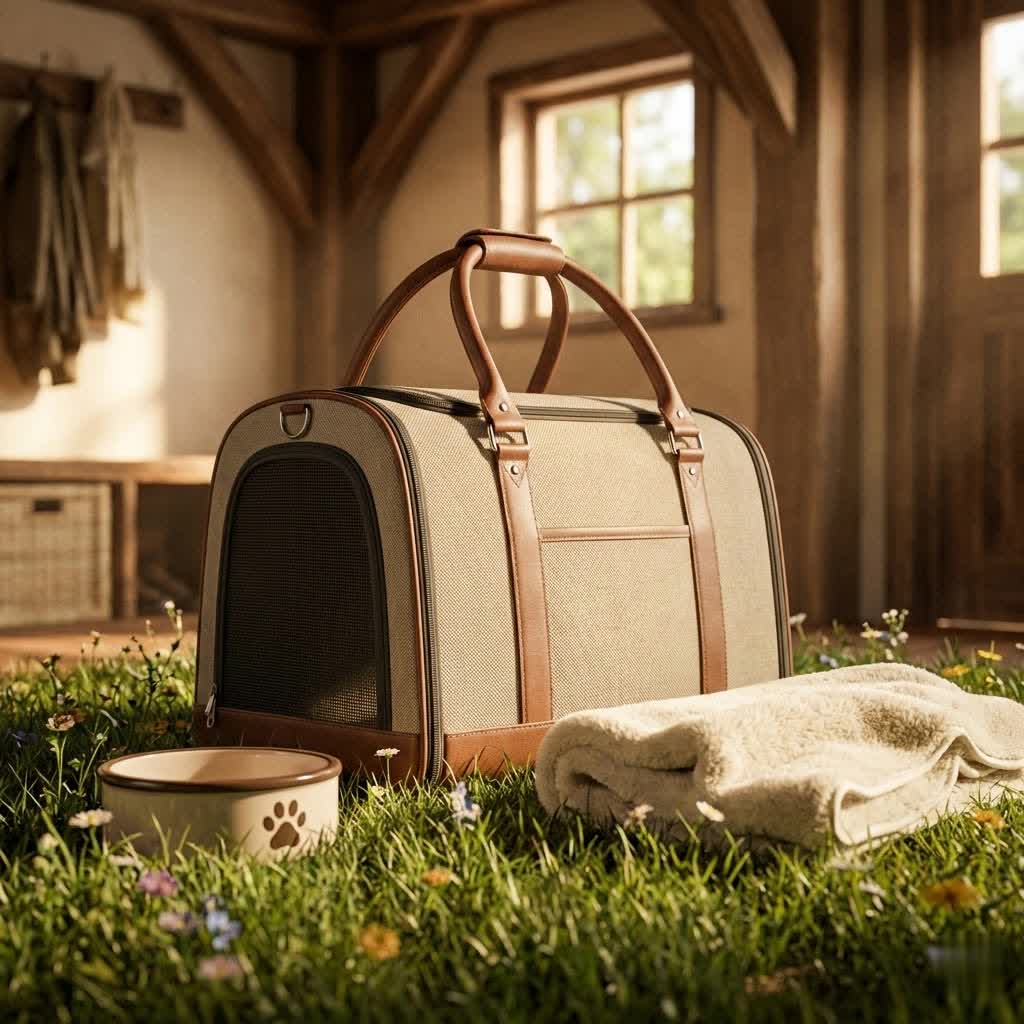
While less common for truly giant breeds, large soft-sided carriers exist and are ideal for bigger cats or medium-to-large dogs who need more flexibility and comfort for shorter trips. These carriers are generally lighter and often collapsible, making them easier to store when not in use. Many feature multiple mesh windows for excellent ventilation and visibility, which can reduce anxiety for some pets. However, they offer less impact protection than their hard-sided counterparts and are typically only suitable for in-cabin air travel if they meet specific airline dimensions and can fit under a seat.
Wheeled Pet Carriers
For pets that are too heavy to carry comfortably or for owners needing hands-free transport, wheeled pet carriers are a game-changer. These carriers often feature sturdy handles and smooth-rolling wheels, similar to luggage, making them excellent for navigating airports, train stations, or paved surfaces. They come in both hard and soft-sided variations, offering a blend of easy mobility with the benefits of their respective material types. While incredibly convenient for long hauls, they can be cumbersome on uneven terrain.
Heavy-Duty Car Crates and Vehicle Barriers
Specifically designed for large dogs during car travel, these options prioritize safety and containment within a vehicle. Heavy-duty car crates are often crash-tested and designed to absorb impact, securing your pet in the event of an accident. Vehicle barriers, on the other hand, create a safe, designated space in the cargo area of SUVs or trucks, preventing your large dog from distracting the driver while allowing them more freedom of movement than a traditional carrier. These are not typically portable outside the vehicle but offer unparalleled safety for road trips.
Comparison Table: Large Pet Carriers
| Feature | Hard-Sided Crate | Soft-Sided Carrier | Wheeled Carrier | Heavy-Duty Car Crate |
|---|---|---|---|---|
| Size Range | Large to Giant | Medium to Large | Large | Large to Giant |
| Durability | High (impact resistant) | Medium (flexible fabric) | High (frame dependent) | Very High (crash-tested) |
| Ventilation | Good (perforations/grates) | Excellent (mesh panels) | Good (mesh/perforations) | Good (ventilation holes) |
| Portability | Low (bulky, heavy) | High (collapsible, lighter) | High (wheels) | Very Low (fixed car use) |
| Safety | High (protection, secure) | Medium (less impact protection) | High (secure on wheels) | Excellent (crash-tested) |
| Airline Use | Cargo (IATA approved) | In-cabin (if compact enough) | Check with airline | Generally not |
| Best For | Air cargo, long car trips, training | Shorter trips, in-cabin travel, anxious pets | Airports, city travel | Dedicated car safety |
Buying Guide for Large Pet Carriers
Selecting the ideal large pet carrier is more than just picking one that looks sturdy. It requires careful consideration of your pet’s size, your travel habits, and the specific features that ensure both comfort and safety.
1. Size Matters Most
The golden rule for any pet carrier, especially for a large pet, is that it must be spacious enough for your pet to stand up, turn around, and lie down comfortably in a natural position. A carrier that is too small will cause discomfort, stress, and potentially injury. Conversely, a carrier that is excessively large can allow your pet to slide around during transit, also leading to injury.
How to Measure Your Pet Accurately:
- Length: Measure your pet from the tip of their nose to the base of their tail. Add 4-6 inches for breathing room.
- Height: While your pet is standing naturally, measure from the top of their head (or ear tips if erect) to the ground. Add 2-4 inches.
- Width: Measure across the widest part of your pet’s body, typically the shoulders. The carrier should be at least this wide to allow them to turn around.
Remember, these are internal dimensions. Always check the carrier’s interior measurements before purchasing.
2. Material and Durability
The material dictates the carrier’s durability, safety, and suitability for different travel types.
- Hard Plastic: Excellent for impact protection, easy to clean, and generally airline-approved for cargo. Look for high-density, non-toxic plastics.
- Metal Wire/Aluminum: Primarily for crates, offering robust containment and superior airflow. Aluminum options are lighter and can be heat-resistant for car use.
- Heavy-Duty Fabric (e.g., reinforced nylon, canvas): Used for soft-sided and some wheeled carriers. Look for rip-resistant, waterproof materials with strong zippers and reinforced seams.
3. Ventilation and Airflow
Proper ventilation is paramount for your pet’s health and to prevent overheating, especially during long journeys or in warmer climates. Look for carriers with ample mesh windows, grated openings, or multiple ventilation holes. Good airflow also helps reduce anxiety by allowing your pet to see their surroundings and preventing a feeling of confinement.
4. Safety and Security Features
A carrier’s primary purpose is to keep your pet safe and secure.
- Secure Latches/Zippers: Doors should have strong, escape-proof latches. Zippers on soft-sided carriers should be heavy-duty and potentially self-locking or have clips to prevent accidental opening.
- Crash-Tested Design: For car travel, consider carriers that have been crash-tested by organizations like the Center for Pet Safety (CPS). These offer the highest level of protection in an accident.
- IATA Compliance: If you plan to fly with your pet in cargo, ensure the carrier meets International Air Transport Association (IATA) regulations, which specify construction, ventilation, labeling, and other crucial details.
- Internal Tethers: A leash clip inside the carrier can offer an extra layer of security, preventing your pet from jumping out prematurely when a door is opened.
“A well-chosen pet carrier is more than just a box; it’s a mobile sanctuary that provides security and comfort, mimicking a den. The right fit and features can drastically reduce travel stress for both pet and owner.” – Dr. Sarah Miller, Veterinary Behaviorist.
5. Comfort Enhancements
While safety is critical, comfort contributes significantly to a positive travel experience.
- Padded Interior: A removable, washable pad or soft bedding will make the journey much more pleasant.
- Multiple Entry Points: Top-loading doors (common on some hard-sided and soft-sided carriers) can make it much easier to load a reluctant or heavy pet without forcing them.
- Privacy Covers: Some carriers include covers or panels that can be rolled down to reduce visual stimulation for anxious pets.
6. Portability and Convenience
Consider how you’ll be moving the carrier.
- Handles and Straps: Sturdy, ergonomic handles are essential. Padded shoulder straps can make carrying easier for soft-sided options.
- Wheels: For very large or heavy pets, integrated wheels or a detachable wheel system can save your back.
- Collapsibility/Storage: If space is an issue, some large soft-sided carriers and even some wire crates can fold down for compact storage.
Top Recommended Large Pet Carrier Features
Instead of specific product names (which can quickly become outdated), focus on these features that define top-tier large pet carriers:
For Air Travel (Cargo)
- Reinforced Hard Plastic or Metal: Meets IATA standards for durability and safety.
- Secure Bolt-On Hardware: Prevents accidental disassembly.
- Ample Ventilation: At least two opposing sides with open ventilation.
- Spill-Proof Bowls: Attached inside for food and water.
- “Live Animal” Labeling: Clearly marked and visible.
For Car Travel (Crash-Tested)
- Double-Walled Construction: Offers superior impact absorption.
- Tie-Down Straps: Securely fastens the carrier to vehicle anchor points.
- Interior Padding: For comfort and to absorb minor bumps.
- Durable, Chew-Resistant Materials: Withstands energetic pets.
For Everyday Use (Veterinarian Visits, Short Trips)
- Lightweight, Sturdy Frame (Soft-Sided): Easy to lift and carry.
- Multiple Entry Points (Top & Front): Simplifies loading and unloading.
- Good Ventilation and Visibility: Mesh panels on multiple sides.
- Removable, Washable Liner: For easy cleaning after accidents.
- Comfortable Handles/Shoulder Strap: For ergonomic carrying.
Conclusion
Choosing the right large pet carrier is a significant decision that impacts your pet’s safety, comfort, and your peace of mind during travel. By prioritizing accurate sizing, durable and safe materials, excellent ventilation, and features tailored to your specific travel needs, you can find a carrier that serves as a secure and comfortable den for your cherished large companion. Whether you’re embarking on a short trip to the vet or a grand adventure, the perfect large pet carrier ensures that every journey is a happy and stress-free one.
What kind of adventures are you planning with your large furry friend, and what features are most important to you in a pet carrier?
Câu Hỏi Thường Gặp
How do I know if a large pet carrier is truly airline-approved?
Always check the specific airline’s pet policy and the IATA Live Animals Regulations, as requirements can vary by airline, destination, and whether your pet travels in-cabin or as cargo. Look for carriers explicitly marketed as “airline-approved” and verify their dimensions against your chosen airline’s rules.
Can I use a large dog carrier for multiple small pets?
Yes, a sufficiently large carrier can accommodate multiple small pets (like cats or small dogs), provided there’s adequate space for each to stand, turn, and lie down comfortably without overcrowding. Ensure good ventilation and that all pets get along well in close quarters.
How can I make my large pet comfortable in their carrier?
Introduce the carrier gradually, placing familiar bedding and toys inside. Use positive reinforcement and treats to create a positive association. During travel, ensure adequate ventilation, offer water (in a spill-proof bowl), and take breaks for potty and stretching if possible.
What are the best materials for a durable large pet carrier?
For maximum durability and impact protection, hard plastic (high-density polyethylene) or aluminum are excellent choices, especially for cargo or crash-tested car crates. For soft-sided carriers, look for rip-stop nylon or reinforced polyester with strong zippers.
Is a wheeled large pet carrier suitable for all types of travel?
Wheeled carriers are excellent for smooth surfaces like airports and city streets, making heavy pets easier to transport. However, they can be cumbersome or less stable on uneven terrain, stairs, or rough outdoor paths, so consider your typical travel environments.