Every pet parent understands the blend of excitement and occasional anxiety that comes with traveling with their beloved companion. Whether it’s a routine vet visit, a weekend getaway, or a cross-country adventure, ensuring your pet’s safety and comfort is paramount. The right Pet Carrier Bag isn’t just a convenience; it’s a vital tool for responsible pet ownership, providing a secure den for your furry friend and peace of mind for you. With countless options on the market, finding the ideal carrier can feel overwhelming. This comprehensive guide, informed by years of experience in pet product evaluation, will walk you through everything you need to know to select the best pet carrier bag for your specific needs, focusing on safety, comfort, and practicality.
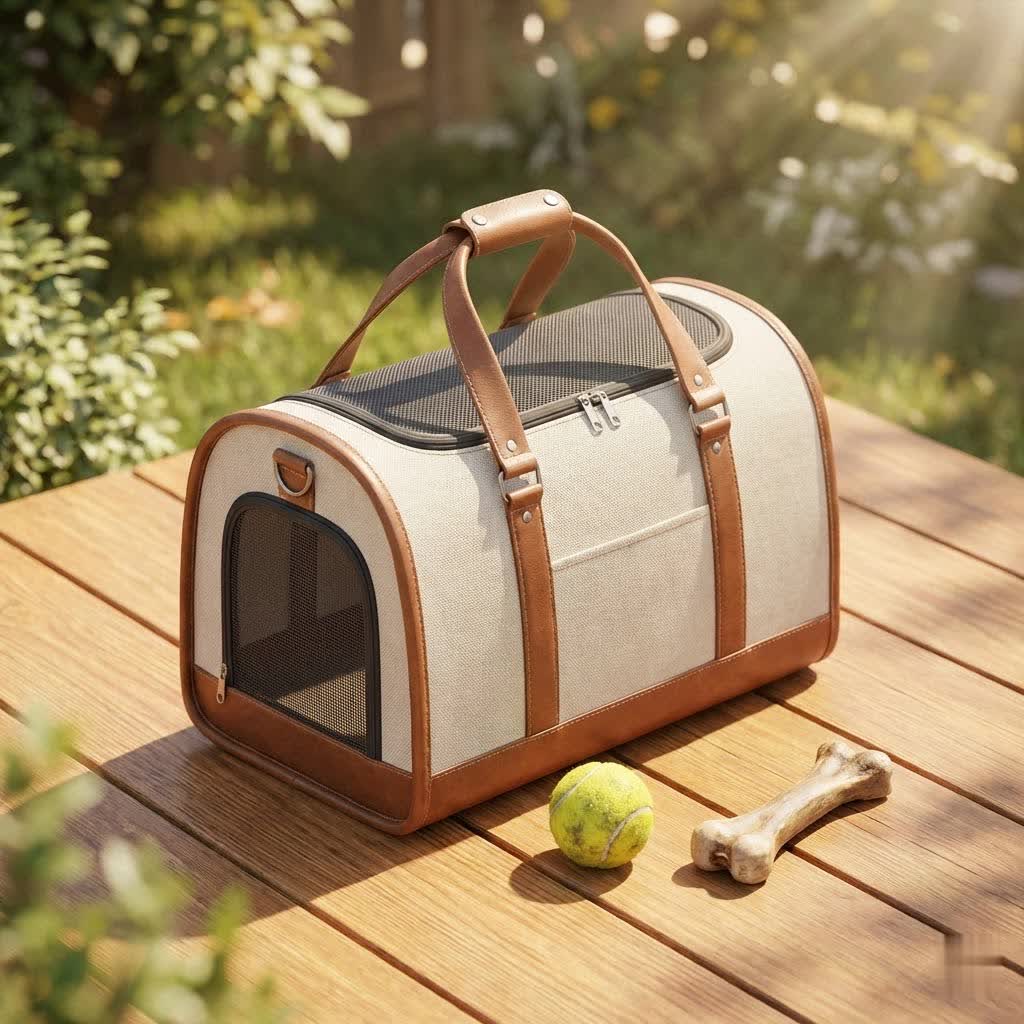
Popular Types of Pet Carrier Bags
Understanding the different styles of pet carrier bags available is the first step in making an informed decision. Each type offers unique advantages suited for various travel scenarios and pet personalities.
Soft-Sided Pet Carrier Bags
These carriers are often made from durable yet flexible fabrics like nylon or polyester, featuring mesh panels for ventilation and visibility. They are a popular choice for their lightweight design and versatility.
- Pros: Soft-sided carriers are generally lighter and easier to carry, making them highly portable for frequent travelers. Many models are designed to be airline-approved for in-cabin travel as they can often be compressed to fit under seats. They offer a cozy and cushioned environment, which can help reduce a pet’s travel anxiety.
- Cons: While comfortable, they offer less rigid protection compared to hard-sided options, making them less ideal for rough handling or as car crates. Some pets, especially “escape artists,” might be able to chew or scratch through softer materials or manipulate zippers.
- Best for: Small dogs and cats, short trips, public transport, and air travel in the cabin.
|
Our Picks for the Best Pet Carrier in 2026
We may earn a commission when you use one of our links to make a purchase.
|
||
| Num | Product | Action |
|---|---|---|
| 1 | Henkelion Cat Carriers Dog Carrier Pet Carrier for Small / Medium Cats Dogs Puppies (Up To 15lbs), TSA Airline Approved Small Dog Carrier Soft Sided, Collapsible Waterproof Travel Puppy Carrier -Black |

|
| 2 | Amazon Basics 2-Door Top-Load Hard-Sided Dogs, Cats Pet Travel Carrier, Gray & Blue, 22.8"L x 15.0"W x 13.0"H |
|
| 3 | Dog Sling Carrier, Puppy Carrier Purse with Storage Pocket, Hand-Free Dog Carrier Sling for Carry Small Dogs and Cats, Puppy Essentials (Purple) |
|
| 4 | Morpilot Cat Carrier - Cat Carrier Soft for Medium or Large Cats up to 20lbs, with Dual-Sided Cushion, Secure Buckle and Foldable Bowl, Dog Carriers for Small Dogs - Pet Carrier (Dark Gray) |
|
| 5 | Texsens Innovative Traveler Bubble Backpack Pet Carriers for Cats and Dogs (Black) |
|
| 6 | Pet Carrier for Large Cats, Soft-Sided Cat Carrier for Medium Big Cats and Puppy up to 20lbs, Washable Dog Carrier Privacy Protection for Home Outdoor Travel |
|
| 7 | Lekereise Cat Backpack Carriers, Dog Carrier Backpacks with Breathable Mesh for Small Medium Cats Dogs Puppy Up to 17 Lbs, Pet Foldable Carrying Backpack Ventilated for Travel Hiking Collapsible |
|
| 8 | Top and 2 Sides Expandable Large Cat Carrier 18x13.5x9.5, TSA Airline Approved Dog Carriers for Large Dogs, Soft-Sided Pet Carrier with Self-Locking Zippers for Kitten,Rabbit,Puppy, Black White |
|
| 9 | Henkelion Cat Carriers Dog Carrier Pet Carrier For Small / Medium Cats Dogs Puppies (Up To 15lbs), TSA Airline Approved Small Dog Carrier Soft Sided, Collapsible Waterproof Travel Puppy Carrier - Grey |
|
| 10 | Cat Carrying Case Pet Dog Carrier Soft-Sided Cat Bag Airline Approved, Pet Travel Carrier Up to 15 Lbs, Collapsible Cats Carrier Dog Carrier for Medium Small Cats Dogs(17x11x11 Green) |
|
Hard-Sided Pet Carrier Bags
Constructed from rigid plastic or metal, hard-sided carriers provide robust protection and are often referred to as crates. They are known for their durability and structural integrity.
- Pros: Hard carriers are exceptionally sturdy and safe, offering enhanced protection, particularly crucial for car travel or when pets need to be transported in cargo. They are typically easier to clean and more resistant to chewing. The solid structure ensures ample ventilation, often with grates on multiple sides.
- Cons: These carriers tend to be bulkier and heavier, making them less convenient for carrying over long distances. Their rigid nature means they are not collapsible, requiring more storage space when not in use.
- Best for: Larger dogs, long-distance car trips, cargo hold air travel, and pets prone to chewing or escaping.
Backpack Pet Carrier Bags
Designed to be worn on your back, these carriers allow for hands-free transport, resembling standard human backpacks but with pet-specific features.
- Pros: Backpack carriers offer the ultimate hands-free convenience, perfect for hiking, cycling, or navigating busy urban environments. They keep your pet close, which can be reassuring for anxious animals, and often provide additional storage pockets for essentials.
- Cons: They are primarily suitable for small to medium-sized pets due to weight constraints. Ventilation can sometimes be less optimal than other types, and some pets may not enjoy the confined, upright position or lack of direct eye contact.
- Best for: Small pets, outdoor enthusiasts, public transport, and owners who need to keep their hands free.
Wheeled Pet Carrier Bags
These carriers integrate wheels and often a telescoping handle, similar to luggage, making them ideal for heavier pets or extended travel.
- Pros: Wheeled carriers make transporting larger or heavier pets effortless, eliminating the need for heavy lifting. They are incredibly convenient for airports, train stations, and long walks on smooth surfaces. Many also feature multiple entry points and good ventilation.
- Cons: They can be cumbersome and difficult to maneuver on uneven terrain, stairs, or crowded spaces. Like hard-sided carriers, they can be bulky and may not be suitable for all types of public transportation or airline cabin restrictions.
- Best for: Larger pets, elderly or mobility-impaired pets, long-distance travel, and owners who prefer not to carry weight.
Comparing Pet Carrier Bag Types
| Feature | Soft-Sided Pet Carrier | Hard-Sided Pet Carrier | Backpack Pet Carrier | Wheeled Pet Carrier |
|---|---|---|---|---|
| Size Range | Small to Medium | Small to Large | Small to Medium | Medium to Large |
| Durability | Medium | High | Medium | High |
| Ventilation | Good (mesh panels) | Excellent (grates) | Good | Excellent |
| Portability | High (light, collapsible) | Low (heavy, bulky) | High (hands-free) | High (no lifting) |
| Comfort | High (cushioned) | Medium (can add bedding) | Medium (upright) | High (spacious) |
| Safety | Medium | High | Medium | High |
| Price | Low to Medium | Medium | Medium | Medium to High |
Your Essential Guide to Choosing a Pet Carrier Bag
Selecting the right pet carrier bag is crucial for both your pet’s well-being and your convenience. Consider these key factors to ensure you make the best choice.
Size Matters: Ensuring Comfort and Safety
The most critical factor in choosing a pet carrier is its size. A carrier that is too small will be uncomfortable and stressful for your pet, while one that is too large can be unsafe during travel and might even encourage accidents inside.
Start by measuring your pet accurately. Measure their length from the tip of their nose to the base of their tail, and their height from the ground to the top of their head (or ears if they stand tall). The ideal pet carrier should be spacious enough for your pet to:
- Stand up comfortably without their head touching the top.
- Turn around completely and easily.
- Lie down in a natural position.
As pet travel expert Dr. Sarah Becker advises, “You want the carrier or crate to be large enough so your dog is able to stand up easily and turn around fully, but you don’t want it much larger than that. Pups who are being house-trained have an instinct to keep their own space clean. If you have too much room, that’s when you’re going to have more house-training accidents.” Ensuring a snug, yet comfortable fit provides a secure “den-like” environment, which many pets find reassuring.
Material and Durability
The material of your pet carrier bag dictates its longevity, ease of cleaning, and the level of protection it offers.
- Safety First: Ensure the material is non-toxic and safe for your pet, especially if they are prone to chewing.
- Breathability: Look for ample mesh windows or ventilation grates to ensure proper airflow and prevent your pet from overheating. This is particularly vital for air travel.
- Ease of Cleaning: Accidents can happen. Choose materials that are easy to wipe down or removable, machine-washable liners. Plastic hard carriers are generally the easiest to sanitize.
- Sturdiness: The carrier should be durable enough to withstand your pet’s weight and activity, as well as the rigors of travel. Strong zippers, reinforced seams, and sturdy handles are indicators of quality.
Key Features to Look For
Beyond size and material, certain features enhance comfort, safety, and convenience.
- Ventilation: Look for carriers with ventilation on at least three, if not four, sides. Good airflow is crucial for your pet’s health and comfort, especially in warm climates or during long journeys.
- Secure Closures: Zippers should be robust and ideally include safety clips or locking mechanisms to prevent your pet from escaping. Latches on hard carriers should be secure and difficult for pets to open.
- Comfort Features: A soft, removable, and washable pad inside provides cushioning and absorbency. Some carriers offer expandable sections to give pets more room when stationary.
- Multiple Entry Points: Carriers with both top-loading and front-loading doors can make it much easier to get a reluctant pet inside.
- Storage Pockets: External pockets are handy for carrying essentials like treats, waste bags, leashes, or travel documents.
- Seatbelt Loops: For car travel, carriers with loops or straps to secure them with a car seatbelt are highly recommended for your pet’s safety in case of sudden stops or accidents.
- Collapsible Design: If storage space is a concern, a soft-sided carrier that folds flat is a major advantage.
Brand Reputation and Airline Compliance
A reputable brand often signifies quality construction, thoughtful design, and adherence to safety standards. Reading reviews from other pet owners can provide valuable insights into a product’s real-world performance.
If you plan to travel by air, airline compliance is non-negotiable. Airlines have specific, strict requirements for pet carriers, including maximum dimensions, ventilation, and materials. These can vary significantly between airlines and whether your pet travels in the cabin or cargo. Always check with your specific airline well in advance of your trip to ensure your chosen pet carrier bag meets all their criteria.
Top Recommended Pet Carrier Bags
While specific product availability can change, here are examples of highly-regarded categories that consistently offer excellent features and performance for various needs.
The “Travel Companion” Soft Carrier
- Description: An airline-approved, soft-sided carrier made from durable, lightweight fabric with multiple mesh windows and a comfortable fleece bed. Often features top and side entry, a safety leash clip, and a large storage pocket.
- Key Advantages: Excellent for in-cabin flights, easy to carry, flexible for tight spaces, and provides a cozy environment for nervous travelers.
- Price Range: Medium ($40-$80)
The “Adventure Seeker” Backpack
- Description: A sturdy, ergonomically designed backpack carrier with a structured bottom, ample ventilation, and padded straps for human comfort. Some models feature a bubble window or an expandable mesh area.
- Key Advantages: Ideal for hiking or long walks, keeps your hands free, ensures your pet stays close and secure.
- Price Range: Medium to High ($50-$120)
The “Voyager” Wheeled Carrier
- Description: A multi-functional carrier that can convert from a wheeled bag to a car seat or a standard carrier. It’s often robustly built with durable wheels, a telescoping handle, and generous ventilation.
- Key Advantages: Perfect for larger pets or long distances, reduces physical strain on the owner, versatile for different travel modes.
- Price Range: High ($80-$180)
“The best pet carrier isn’t just about getting from point A to point B; it’s about providing a safe, comfortable, and stress-free journey that strengthens the bond between you and your pet.” – Alex Chen, Pet Travel Safety Expert
Conclusion
Choosing the right pet carrier bag is an investment in your pet’s safety, comfort, and your peace of mind. By carefully considering the type of carrier, its size, materials, and essential features, you can ensure every adventure, big or small, is a positive experience. Remember to prioritize your pet’s individual needs and temperament, and always double-check airline or travel regulations if flying. With the perfect pet carrier bag, you and your furry friend are ready to explore the world together, safely and comfortably.
What amazing journeys will you and your pet embark on next with their new carrier?
Frequently Asked Questions
What makes a pet carrier bag “airline approved”?
Airline approval typically means the carrier meets specific dimensions (to fit under the seat for in-cabin travel), has adequate ventilation on multiple sides, is leak-proof, and has secure closures. Always verify current requirements with your specific airline before flying, as regulations can change.
How do I measure my pet for the correct carrier size?
To measure your pet, record their length from the tip of their nose to the base of their tail. Then, measure their height from the ground to the top of their head (or ear tips if they have upright ears). The carrier should allow your pet to stand up, turn around, and lie down comfortably without feeling cramped.
Can I use a regular bag as a pet carrier?
It is strongly not recommended to use a regular bag as a pet carrier. Purpose-built pet carrier bags are designed with crucial safety features like proper ventilation, secure, escape-proof zippers, structured support, and non-toxic materials, all of which are lacking in a standard bag and could compromise your pet’s safety and comfort.