Embarking on an adventure with your furry friend, whether a quick trip to the vet or a cross-country journey, requires the right equipment to ensure their safety and comfort. A well-chosen dog carrier isn’t just a convenience; it’s a vital tool for responsible pet ownership, providing a secure sanctuary for your canine companion. But with countless options available, how do you navigate the choices to find the perfect fit? This guide, drawing insights from leading pet retailers like PetSmart and expert reviews, will help you understand the different types of carriers, what to look for, and how to select one that meets both your dog’s needs and your lifestyle.
Popular Types of Dog Carriers
Dog carriers come in various designs, each catering to different travel scenarios and dog temperaments. Understanding the common types will help you narrow down your options.
Soft-Sided Carriers (Bag Carriers)
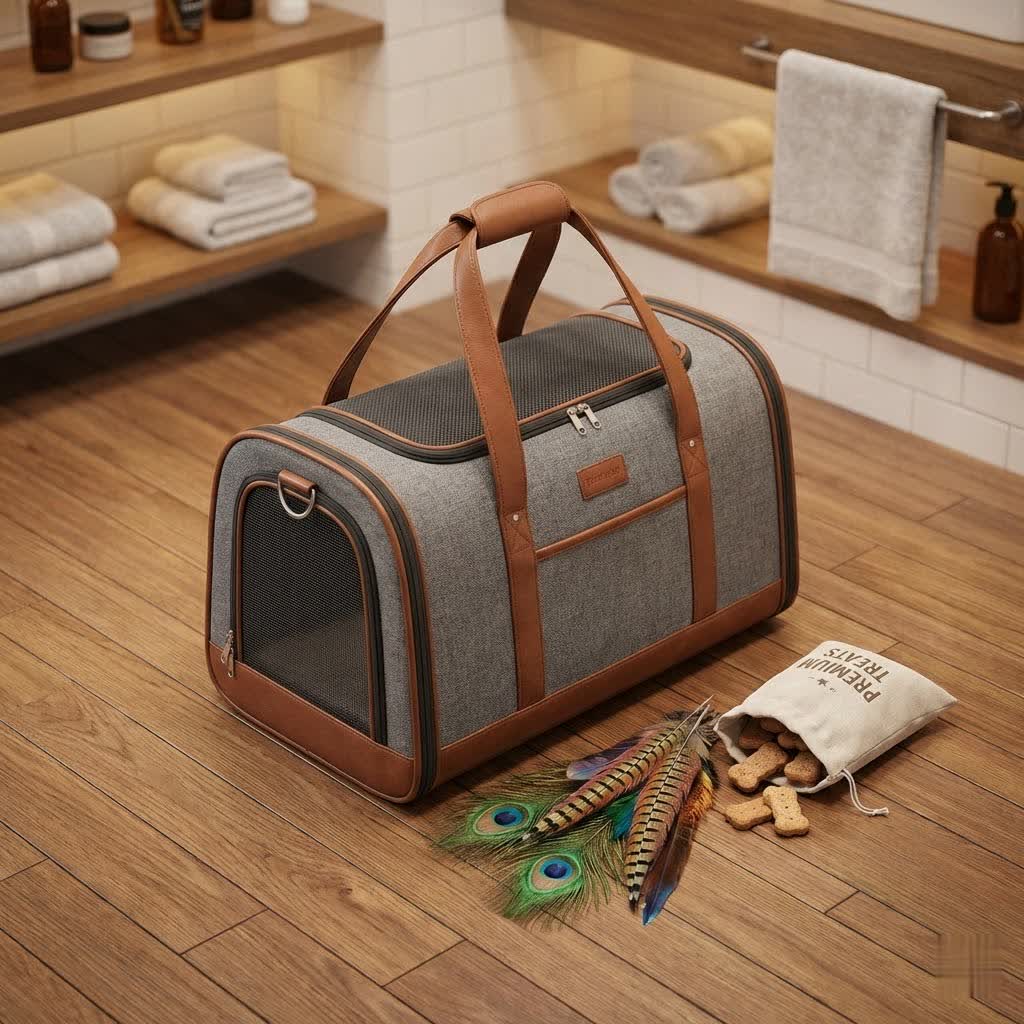
These lightweight, flexible carriers are typically made from durable fabrics like nylon or polyester, often featuring mesh panels for ventilation and visibility. Soft-sided carriers are excellent for small dogs and puppies, offering a cozy space for short trips, car rides, or as an airline-approved carry-on (always check airline regulations). Their collapsible nature makes them easy to store when not in use.
- Advantages: Lightweight, portable, often stylish, can be folded for storage, comfortable for small dogs, good for quick trips.
- Disadvantages: Less structural protection than hard-sided, may not be suitable for anxious chewers, limited space for larger breeds.
- Best For: Small dogs, puppies, short car rides, vet visits, airline cabin travel.
|
Our Picks for the Best Pet Carrier in 2026
We may earn a commission when you use one of our links to make a purchase.
|
||
| Num | Product | Action |
|---|---|---|
| 1 | Morpilot Cat Carrier - Cat Carrier Soft for Medium or Large Cats up to 20lbs, with Dual-Sided Cushion, Secure Buckle and Foldable Bowl, Dog Carriers for Small Dogs - Pet Carrier (Dark Gray) |

|
| 2 | Henkelion Cat Carriers Dog Carrier Pet Carrier for Small / Medium Cats Dogs Puppies (Up To 15lbs), TSA Airline Approved Small Dog Carrier Soft Sided, Collapsible Waterproof Travel Puppy Carrier -Black |
|
| 3 | Pet Carrier for Large Cats, Soft-Sided Cat Carrier for Medium Big Cats and Puppy up to 20lbs, Washable Dog Carrier Privacy Protection for Home Outdoor Travel |
|
| 4 | Cat Carrying Case Pet Dog Carrier Soft-Sided Cat Bag Airline Approved, Pet Travel Carrier Up to 15 Lbs, Collapsible Cats Carrier Dog Carrier for Medium Small Cats Dogs(17x11x11 Green) |
|
| 5 | Texsens Innovative Traveler Bubble Backpack Pet Carriers for Cats and Dogs (Black) |
|
| 6 | Henkelion Cat Carriers Dog Carrier Pet Carrier For Small / Medium Cats Dogs Puppies (Up To 15lbs), TSA Airline Approved Small Dog Carrier Soft Sided, Collapsible Waterproof Travel Puppy Carrier - Grey |
|
| 7 | Amazon Basics 2-Door Top-Load Hard-Sided Dogs, Cats Pet Travel Carrier, Gray & Blue, 22.8"L x 15.0"W x 13.0"H |
|
| 8 | Lekereise Cat Backpack Carriers, Dog Carrier Backpacks with Breathable Mesh for Small Medium Cats Dogs Puppy Up to 17 Lbs, Pet Foldable Carrying Backpack Ventilated for Travel Hiking Collapsible |
|
| 9 | Dog Sling Carrier, Puppy Carrier Purse with Storage Pocket, Hand-Free Dog Carrier Sling for Carry Small Dogs and Cats, Puppy Essentials (Purple) |
|
| 10 | Top and 2 Sides Expandable Large Cat Carrier 18x13.5x9.5, TSA Airline Approved Dog Carriers for Large Dogs, Soft-Sided Pet Carrier with Self-Locking Zippers for Kitten,Rabbit,Puppy, Black White |
|
Hard-Sided Carriers (Crate Carriers)
Constructed from rigid plastic or metal, hard-sided carriers offer superior protection and durability. They are generally easier to clean and more resistant to chewing, making them ideal for car travel where they provide enhanced safety in case of sudden stops or accidents. Many airlines require hard-sided carriers for cargo travel due to their robust construction.
- Advantages: Very durable, excellent protection, easy to clean, chew-resistant, secure for car travel and cargo hold.
- Disadvantages: Bulky, heavier, less portable for walking, can be less aesthetically pleasing.
- Best For: Medium to large dogs, long car trips, airline cargo travel, dogs prone to chewing.
Backpack Carriers
Designed for hands-free transport, backpack carriers allow you to carry your small dog or puppy comfortably on your back or front. They are perfect for active owners who enjoy hiking, cycling, or navigating crowded urban areas while keeping their pet close and secure. Many feature padded straps, adjustable chest/waist belts for human comfort, and internal tethers for canine safety.
- Advantages: Hands-free convenience, ideal for hiking and outdoor activities, allows dogs to see surroundings, even weight distribution for the owner.
- Disadvantages: Primarily for small to medium dogs, can get warm for the dog, might offer less immediate access to comfort your pet.
- Best For: Small to medium dogs, puppies, hiking, walking in crowded areas, public transport.
Wheeled Carriers
Combining the convenience of a suitcase with the comfort of a pet carrier, wheeled carriers are designed for easy mobility, especially through airports or train stations. They often feature telescoping handles and sturdy wheels, making them suitable for larger dogs or for owners who prefer not to carry heavy loads. Some wheeled carriers are also soft-sided and convertible, allowing them to be carried when wheels aren’t practical.
- Advantages: Effortless transport for larger dogs or heavy carriers, reduces strain on owners, convenient for long-distance travel.
- Disadvantages: Can be cumbersome on uneven terrain or stairs, takes up more space, potentially less stable than carried options.
- Best For: Larger dogs, long-distance travel, airports, owners with mobility challenges.
Comparison Table: Choosing Your Dog Carrier Type
| Feature | Soft-Sided (Bag) | Hard-Sided (Crate) | Backpack | Wheeled |
|---|---|---|---|---|
| Size Suitability | Small dogs, puppies | Medium to large dogs | Small to medium dogs | Medium to large dogs |
| Durability | Moderate | High | Moderate to High | High |
| Ventilation | Good (mesh panels) | Excellent | Good (mesh panels) | Excellent |
| Portability | High (lightweight) | Low (bulky) | High (hands-free) | High (for distances) |
| Ease of Cleaning | Spot clean/washable inserts | Very easy (wipe down) | Spot clean/washable inserts | Easy (wipe down) |
| Travel Type | Car, airline cabin, short trips | Car, airline cargo, training | Hiking, walking, public transport | Air, train, long journeys |
| Safety in Car | Fair (can be buckled) | Excellent (rigid protection) | Fair (depends on design) | Fair (can be buckled) |
Essential Buying Guide: How to Select the Right Dog Carrier
Choosing the right dog carrier involves careful consideration of several factors to ensure your pet’s comfort, safety, and your convenience.
Size Matters
The golden rule for dog carriers is to ensure your dog has enough space to stand up, turn around, and lie down comfortably. Measure your dog from nose to tail while standing, and from the top of their head to the floor. Add at least 4 inches to both measurements to determine the ideal internal dimensions of the carrier. A carrier that is too small will be uncomfortable and stressful, while one that is too large might not offer adequate security, especially during travel. PetSmart often provides sizing guidelines for their carriers, specifying weight limits and dimensions to help you make an informed choice.
Quality of Material
The material directly impacts the carrier’s durability, ventilation, and ease of cleaning.
- For soft-sided carriers, look for tear-resistant, high-denier fabrics like nylon or polyester, with strong zippers and reinforced seams. Mesh windows should be robust and securely attached.
- For hard-sided carriers, medical-grade plastic or sturdy metal wire is preferred. These materials should be non-toxic and free from sharp edges.
- Regardless of type, ensure any internal padding is soft, supportive, and ideally removable and machine washable for hygiene.
Key Features to Look For
Beyond size and material, certain features enhance the functionality and safety of a dog carrier.
- Ventilation: Multiple mesh windows or ample air vents are crucial to prevent overheating and allow your dog to see their surroundings, reducing anxiety.
- Secure Closures: High-quality, self-locking zippers or sturdy latches are essential to prevent accidental escapes. For backpack carriers, look for internal safety tethers that clip to your dog’s harness.
- Comfort Features: Soft, removable bedding, internal leashes, and comfortable handles or shoulder straps for the owner contribute significantly to a pleasant experience.
- Storage Pockets: External pockets can be invaluable for carrying treats, waste bags, leashes, or your own essentials.
- Airline Approval: If you plan to fly, check the specific dimensions and requirements of your chosen airline before purchasing, as regulations vary widely. Many carriers are marketed as “airline approved,” but verification is always recommended.
Trusted Brands and Reviews
Opting for reputable brands ensures a certain level of quality and safety. Brands like Top Paw and Sherpa are popular choices often found at PetSmart, known for offering a range of carriers from everyday use to airline-approved options. Other respected brands in the market include Petmate, Kurgo, and K9 Sport Sack. Always read user reviews to gain real-world insights into a carrier’s performance, durability, and comfort from other pet owners.
“A good dog carrier acts as a safe den for your pet, reducing stress during transport. Investing in quality material and the right fit means peace of mind for both pet and owner.” – Dr. Eliza O’Callaghan, DVM, Managing Veterinarian at Small Door Vet.
Top Dog Carrier Models Often Seen at PetSmart
While specific stock can vary, PetSmart consistently offers a range of high-quality dog carriers designed to meet various needs. Here are examples of popular types and brands you might encounter:
Sherpa Original Deluxe Pet Carrier
This soft-sided carrier is frequently recommended for its versatility and airline-approved design for in-cabin travel. It typically features mesh panels for ventilation, a washable faux lambskin liner for comfort, and a spring wire frame that allows the rear end of the carrier to be pushed down several inches to fit under airline seats. Its comfortable shoulder strap and top/side entry make it user-friendly.
- Key Advantage: Excellent balance of comfort, ventilation, and airline compliance.
- Price Point: Mid-range.
Top Paw Portable Dog Carrier Pet Kennel
As a PetSmart house brand, Top Paw offers a variety of carriers, including durable plastic kennels. These hard-sided carriers are excellent for car travel and can be suitable for larger dogs. They are designed for easy assembly, feature ventilation openings, and come with a secure door latch. These are typically available in various sizes to accommodate different breeds and weights.
- Key Advantage: Robust protection, ideal for larger dogs and car safety.
- Price Point: Budget to mid-range.
Top Paw Functional All-Day Backpack
For the active pet parent, Top Paw also offers backpack carriers. These soft-sided backpacks are designed for hands-free carrying of small to medium dogs, featuring padded shoulder straps for comfort, plenty of mesh for airflow, and often additional pockets for essentials. They are great for a day out walking, hiking, or errands where your dog wants to be close.
- Key Advantage: Hands-free convenience and comfort for both pet and owner on excursions.
- Price Point: Mid-range.
Conclusion
Selecting the best dog carrier is a crucial decision that impacts your pet’s well-being and your travel experiences. By understanding the different types—soft-sided bags, hard-sided crates, backpacks, and wheeled carriers—and focusing on key factors like proper sizing, durable materials, and essential features, you can make an informed choice. Remember to prioritize your dog’s comfort and safety, while also considering your own convenience and travel plans. A good carrier from a reputable retailer like PetSmart will serve as a secure and familiar space for your canine companion for years to come. What adventures will you and your dog embark on next with their new carrier?
Frequently Asked Questions
Are PetSmart dog carriers airline approved?
Many soft-sided dog carriers sold at PetSmart, especially those from brands like Sherpa, are designed to be airline-approved for in-cabin travel. However, airline regulations vary significantly by carrier and aircraft type, so it’s essential to double-check the specific dimensions and requirements with your airline before you fly.
How do I introduce my dog to a new carrier?
Introduce the carrier gradually. Leave it open in a familiar area with treats, toys, or their favorite blanket inside. Encourage your dog to explore it freely with positive reinforcement. Start with short periods, gradually increasing the time they spend inside until they view it as a safe and comfortable den.
What’s the difference between a dog carrier and a dog crate?
The terms are sometimes used interchangeably, but generally, a “dog carrier” implies portability and is used for active transport (e.g., car, plane, walking), often smaller. A “dog crate” is typically larger, often hard-sided or wire, and used more for containment at home, training, or very secure travel where mobility isn’t the primary concern.
Can I use a dog carrier for multiple pets?
Using a single carrier for multiple pets is generally not recommended unless it’s specifically designed and sized for more than one, and only if the pets are small, get along well, and won’t be overcrowded. Overcrowding can lead to stress, overheating, and discomfort.