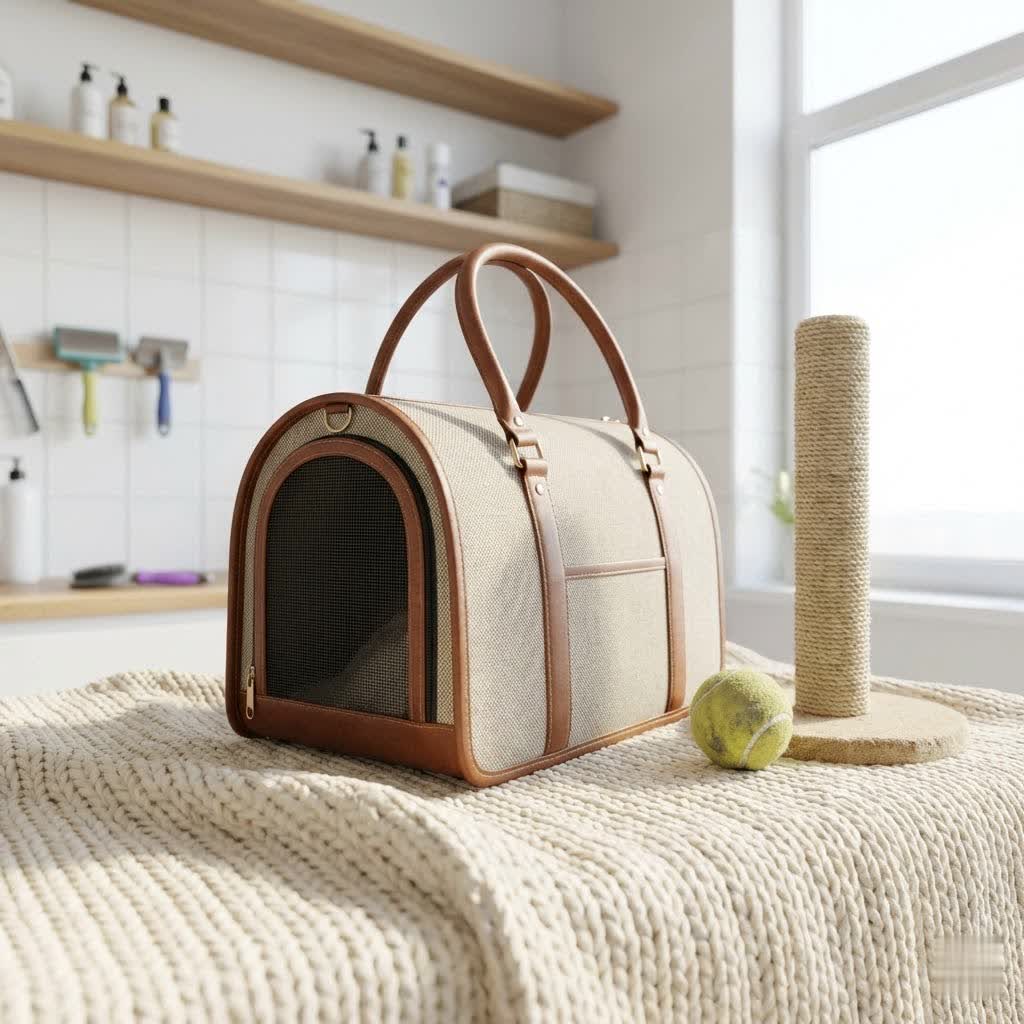
Traveling with your beloved canine companion can be an incredibly rewarding experience, but when your furry friend weighs around 30 pounds, navigating airline pet carrier regulations can feel like a complex puzzle. Many pet owners dream of their dog cozying up under the seat in front of them, but the reality for a 30lb dog on a commercial flight often means understanding strict cargo requirements. This comprehensive guide will walk you through everything you need to know, from deciphering airline policies to choosing the ideal carrier for your larger furry traveler, ensuring their safety and comfort every step of the way.
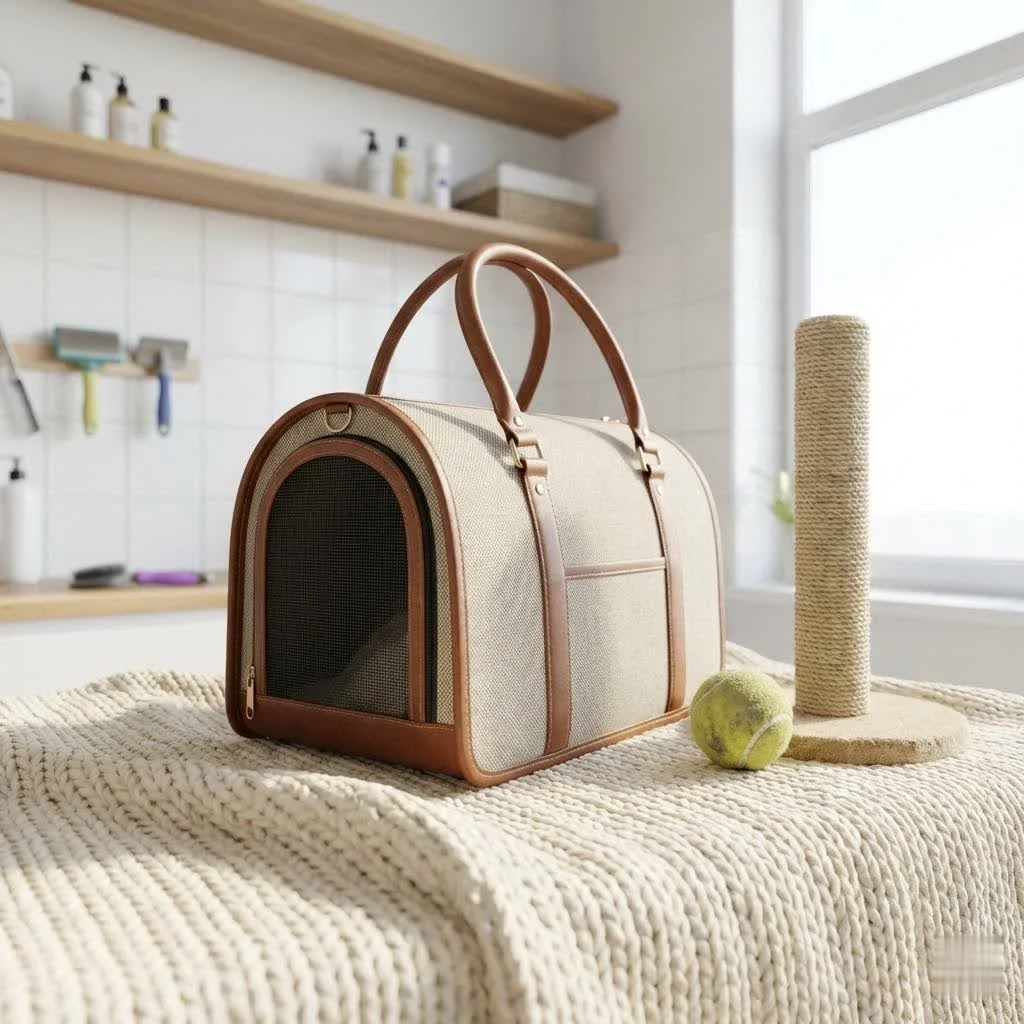
Understanding Different Types of Pet Carriers for Air Travel
Choosing the right pet carrier is paramount for a smooth journey. The type of carrier you select will largely depend on whether your dog will travel in the cabin with you or in the aircraft’s cargo hold.
Soft-Sided Pet Carriers (In-Cabin Focus)
Soft-sided carriers are the most common choice for in-cabin travel due to their flexibility, allowing them to conform to the tight under-seat dimensions. They are typically lightweight, fashionable, and designed for easy portability. However, for a 30lb dog, finding a soft-sided carrier that meets the strict weight and size limitations for cabin travel on most commercial airlines is highly challenging. Most airlines have a combined weight limit (pet + carrier) of around 15-20 pounds for in-cabin pets. While some “large” soft-sided carriers offer expandable sides for added comfort once airborne, they must still collapse to fit under the seat during takeoff and landing. These are generally suitable only for smaller dogs.
Hard-Sided Pet Crates (Cargo Hold Essential)
For a 30lb dog, hard-sided crates are almost always the requirement for travel in the cargo hold. These carriers are built for durability and safety, offering superior protection during transit. They must adhere to stringent International Air Transport Association (IATA) standards, which mandate specific dimensions, ventilation, and construction materials. Key features include robust construction, secure metal grates, proper labeling, and ample space for your dog to stand, turn around, and lie down comfortably in a natural position. While more cumbersome than soft-sided options, hard-sided crates provide the necessary security and ventilation for larger pets traveling below deck.
Backpack Pet Carriers
Backpack carriers offer a hands-free solution, making them convenient for navigating busy airports. They are usually soft-sided and designed for smaller pets to ride on your back or front. Like other in-cabin carriers, they face significant weight and size restrictions, making them generally unsuitable for a 30lb dog to fly in the cabin. The limited space can also be a concern for comfort, even for smaller dogs, during extended travel.
Wheeled Pet Carriers
|
Our Picks for the Best Pet Carrier in 2026
As an Amazon Associate I earn from qualifying purchases.
|
||
| Num | Product | Action |
|---|---|---|
| 1 | Amazon Basics 2-Door Top-Load Hard-Sided Dogs, Cats Pet Travel Carrier, Gray & Blue, 22.8"L x 15.0"W x 13.0"H |

|
| 2 | Lekereise Cat Backpack Carriers, Dog Carrier Backpacks with Breathable Mesh for Small Medium Cats Dogs Puppy Up to 17 Lbs, Pet Foldable Carrying Backpack Ventilated for Travel Hiking Collapsible |
|
| 3 | Henkelion Cat Carriers Dog Carrier Pet Carrier for Small / Medium Cats Dogs Puppies (Up To 15lbs), TSA Airline Approved Small Dog Carrier Soft Sided, Collapsible Waterproof Travel Puppy Carrier -Black |
|
| 4 | Top and 2 Sides Expandable Large Cat Carrier 18x13.5x9.5, TSA Airline Approved Dog Carriers for Large Dogs, Soft-Sided Pet Carrier with Self-Locking Zippers for Kitten,Rabbit,Puppy, Black White |
|
| 5 | Pet Carrier for Large Cats, Soft-Sided Cat Carrier for Medium Big Cats and Puppy up to 20lbs, Washable Dog Carrier Privacy Protection for Home Outdoor Travel |
|
| 6 | Morpilot Cat Carrier - Cat Carrier Soft for Medium or Large Cats up to 20lbs, with Dual-Sided Cushion, Secure Buckle and Foldable Bowl, Dog Carriers for Small Dogs - Pet Carrier (Dark Gray) |
|
| 7 | Texsens Innovative Traveler Bubble Backpack Pet Carriers for Cats and Dogs (Black) |
|
| 8 | Henkelion Cat Carriers Dog Carrier Pet Carrier For Small / Medium Cats Dogs Puppies (Up To 15lbs), TSA Airline Approved Small Dog Carrier Soft Sided, Collapsible Waterproof Travel Puppy Carrier - Grey |
|
| 9 | Cat Carrying Case Pet Dog Carrier Soft-Sided Cat Bag Airline Approved, Pet Travel Carrier Up to 15 Lbs, Collapsible Cats Carrier Dog Carrier for Medium Small Cats Dogs(17x11x11 Green) |
|
| 10 | Dog Sling Carrier, Puppy Carrier Purse with Storage Pocket, Hand-Free Dog Carrier Sling for Carry Small Dogs and Cats, Puppy Essentials (Purple) |
|
Wheeled pet carriers combine the convenience of a rolling suitcase with the functionality of a pet carrier. They can be soft-sided or hard-sided. While the wheels make airport navigation easier, these carriers still need to comply with either in-cabin under-seat dimensions (which are typically too small for a 30lb dog) or cargo hold requirements. Some larger wheeled carriers are designed for cargo, offering ease of transport to the cargo check-in, but the primary function dictates suitability for a 30lb dog.
Comparative Overview of Pet Carrier Types
| Feature | Soft-Sided (In-Cabin) | Hard-Sided (Cargo) | Backpack (In-Cabin) | Wheeled (In-Cabin/Cargo) |
|---|---|---|---|---|
| Suitability for 30lb Dog | Rarely for in-cabin (due to weight/size limits) | Most likely option for cargo travel | Rarely for in-cabin (too small/heavy) | Limited for cabin, some larger for cargo |
| Durability | Medium (flexible fabric) | High (rigid plastic/metal, IATA compliant) | Medium (fabric construction) | Medium to High (depends on construction) |
| Ventilation | Good (multiple mesh windows) | Excellent (openings on at least 3-4 sides) | Good (mesh panels) | Good (mesh or grates) |
| Convenience | High (flexible, easy to carry, fits under seat) | Low (bulky, requires airline handling) | High (hands-free) | High for ground transit (wheels) |
| Safety | Good (secure zippers, leash tether) | Excellent (sturdy, impact-tested for some models) | Good (secure enclosures, can be less stable) | Good (secure, stable during movement) |
| Cost | Varied | Higher (due to materials and compliance) | Varied | Higher (added wheeled mechanism) |
Navigating Airline Regulations and Choosing the Right Pet Carrier
Selecting an airline-approved pet carrier for a 30lb dog is fundamentally about understanding and strictly adhering to airline-specific policies, which can vary significantly.
1. Consult Your Airline FIRST
Before purchasing any carrier, contact your chosen airline directly. Inquire about their specific pet policies, including:
- Weight limits: Most airlines impose a combined weight limit for in-cabin pets (usually 15-20 lbs, including the carrier). A 30lb dog will almost certainly exceed this for cabin travel.
- Carrier dimensions: For in-cabin, carriers must fit completely under the seat in front of you. These dimensions are typically around 18″L x 11″W x 11″H, though they can vary by aircraft and airline. For cargo, dimensions are typically much larger, allowing the pet to stand, turn, and lie down naturally.
- Cargo requirements: If your 30lb dog must travel as cargo (which is highly probable), ask about IATA compliance, required crate features (material, ventilation, labeling), temperature restrictions, and booking procedures. Some airlines have temporary embargoes on pet cargo shipments.
- Fees and documentation: Understand all associated fees and necessary health certificates or vaccination records.
2. Accurate Measurement of Your Dog
Once you understand the airline’s requirements, meticulously measure your dog to ensure the carrier provides ample space.
- Length: Measure from the tip of your dog’s nose to the base of their tail.
- Height: Measure from the floor to the top of their head or ears (whichever is tallest) when they are standing naturally.
- Width: Measure at the widest part of their body.
- Add comfort space: For cargo travel, the carrier should be large enough for your dog to stand up without their head touching the top, turn around completely, and lie down in a natural position. For soft-sided in-cabin carriers (if applicable), while they may not be able to stand fully, they must still be able to comfortably turn around and lie down.
3. Essential Carrier Features
Regardless of whether your dog travels in-cabin or cargo, several features are non-negotiable for their safety and comfort:
- Ventilation: Look for carriers with mesh windows or open grates on at least three, preferably four, sides to ensure adequate airflow.
- Secure Closures: Zippers should be self-locking or have a mechanism to prevent accidental opening. For hard-sided crates, doors should be securely latched.
- Leak-Proof Bottom: A waterproof or leak-proof base is crucial to contain any accidents during travel, keeping your pet and the surrounding environment clean.
- Comfortable Interior: A soft, removable, and washable pad provides comfort. For nervous travelers, familiar bedding or a favorite toy can help.
- Durable Construction: Materials should be robust and non-toxic. For cargo, the crate must withstand the rigors of handling.
- Airline-Specific Features: Some soft-sided carriers have expandable sections that can be unzipped when the plane is at cruising altitude, offering more space. Luggage sleeves are convenient for securing the carrier to your rolling suitcase.
4. Choosing Between In-Cabin and Cargo
For a 30lb dog, the decision is often made for you:
- In-Cabin: Highly improbable for most commercial airlines due to weight and under-seat space constraints. Even if an airline states “no weight limit,” the physical dimensions of the under-seat area often make it impossible for a dog of this size to fit comfortably and safely.
- Cargo Hold: This is the most common and often only option for a 30lb dog. Ensure the hard-sided crate is IATA-compliant and your dog is comfortable and acclimated to it well before travel. Discuss climate-controlled cargo areas with your airline.
Top Considerations for a 30lb Dog Carrier
Given that a 30lb dog will most likely travel in cargo, focus your search on IATA-compliant, hard-sided crates.
- Robust Material: Constructed from sturdy plastic or metal for maximum protection.
- Ventilation: Ample ventilation openings on all four sides.
- Proper Sizing: Allows your dog to stand without touching the top, turn around, and lie down naturally. “The comfort of your pet is paramount; a carrier that is too cramped can cause undue stress and potential injury,” advises a leading pet travel expert.
- Secure Door: A metal grate door with a spring-loaded latch or similar secure locking mechanism.
- Labeling: Clear “LIVE ANIMAL” labels, directional arrows, and food/water dish attachments.
Conclusion
Traveling with a 30lb dog requires meticulous planning and a clear understanding of airline regulations. While the dream of an in-cabin companion may be challenging for dogs of this size on most commercial flights, opting for a compliant, comfortable, and secure hard-sided cargo crate ensures a safe journey. Always prioritize your dog’s well-being by selecting a carrier that exceeds minimum requirements, preparing them for travel, and confirming every detail with your airline well in advance. By doing your homework, you can transform the potential stress of pet travel into a manageable and successful adventure for you and your beloved furry friend.
What upcoming adventures are you planning with your 30lb dog, and what steps are you taking to ensure their comfort during the journey?
Frequently Asked Questions
Can a 30lb dog fly in the airplane cabin?
It is highly unlikely for a 30lb dog to fly in the cabin on most commercial airlines. Most airlines enforce a strict combined weight limit for in-cabin pets (usually 15-20 lbs, including the carrier), and the under-seat dimensions are typically too small for a dog of this size to fit comfortably and safely. Cargo travel is generally the only viable option.
What are the general airline dimensions for in-cabin pet carriers?
While specific dimensions vary by airline and aircraft, most in-cabin pet carriers must fit under the seat, typically not exceeding approximately 18 inches long, 11 inches wide, and 11 inches high. These soft-sided carriers must also be flexible enough to conform to the space.
How do I properly measure my dog for an airline-approved carrier?
To measure your dog, record their length from the tip of the nose to the base of the tail, their height from the floor to the top of their head or ears (whichever is tallest), and their widest point. For cargo, add several inches to each measurement to ensure they can stand, turn around, and lie down naturally without touching the carrier’s sides or top.
What makes a pet carrier “airline approved”?
“Airline approved” is not a universal certification but rather an indication that a carrier meets the specific size, ventilation, material, and safety requirements of individual airlines. It is crucial to check your chosen airline’s exact policies as they can differ greatly and change frequently.
What should I look for in a cargo carrier for a 30lb dog?
For a 30lb dog traveling in cargo, look for a sturdy, hard-sided crate that is IATA-compliant. It must have ample ventilation (openings on at least three sides), a secure metal door with a reliable locking mechanism, a leak-proof bottom, and be large enough for your dog to stand up, turn around, and lie down comfortably.
Pet products vetted on real animals
Free PDF — protein DMB calculator + 18 dog foods rated.
