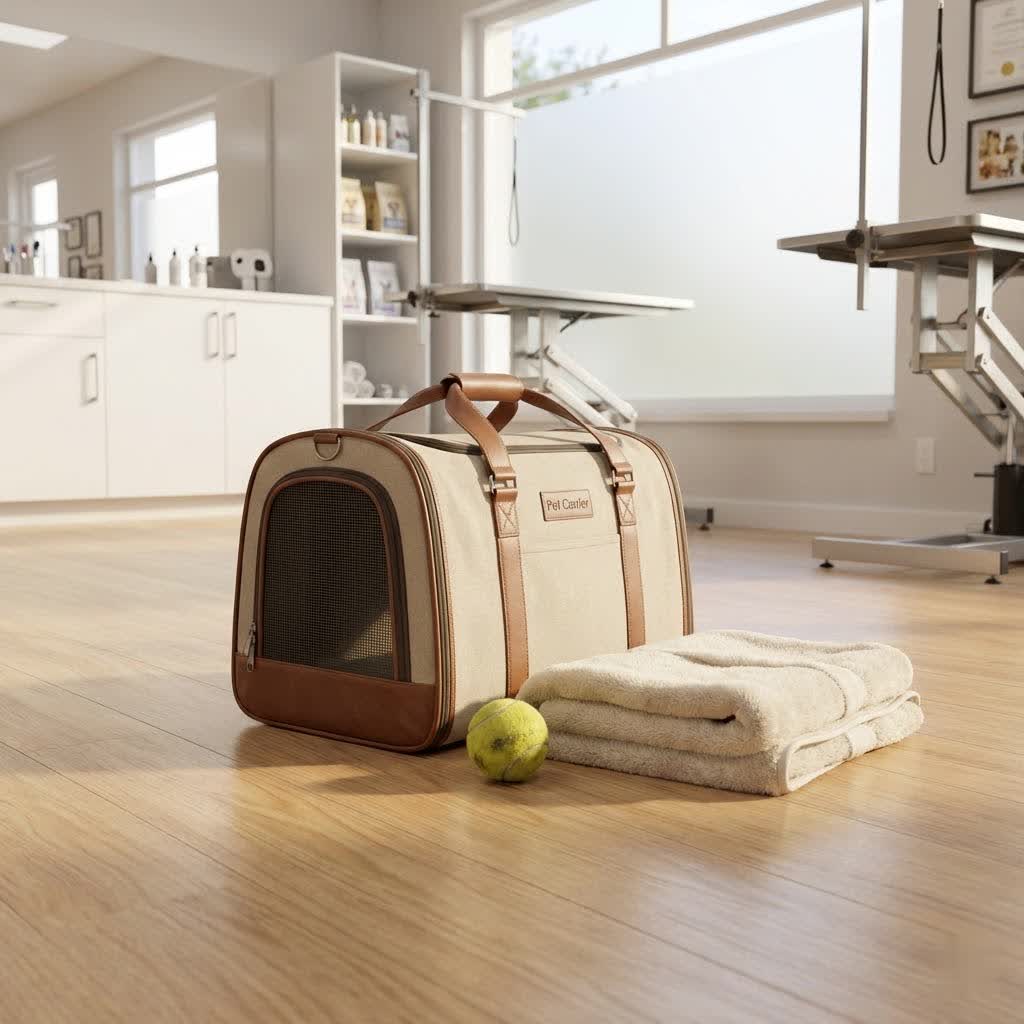
Embarking on a journey with your beloved pet can be an incredibly rewarding experience, but the thought of navigating airport security and strict airline regulations can often feel daunting. A crucial element for a stress-free trip is selecting the right airline compliant pet carrier. This isn’t just about meeting arbitrary rules; it’s about ensuring your furry friend’s safety, comfort, and well-being throughout the entire travel process. This comprehensive guide will walk you through the various types of carriers, essential features to look for, and top recommendations to help you make an informed decision for your next adventure with your companion.
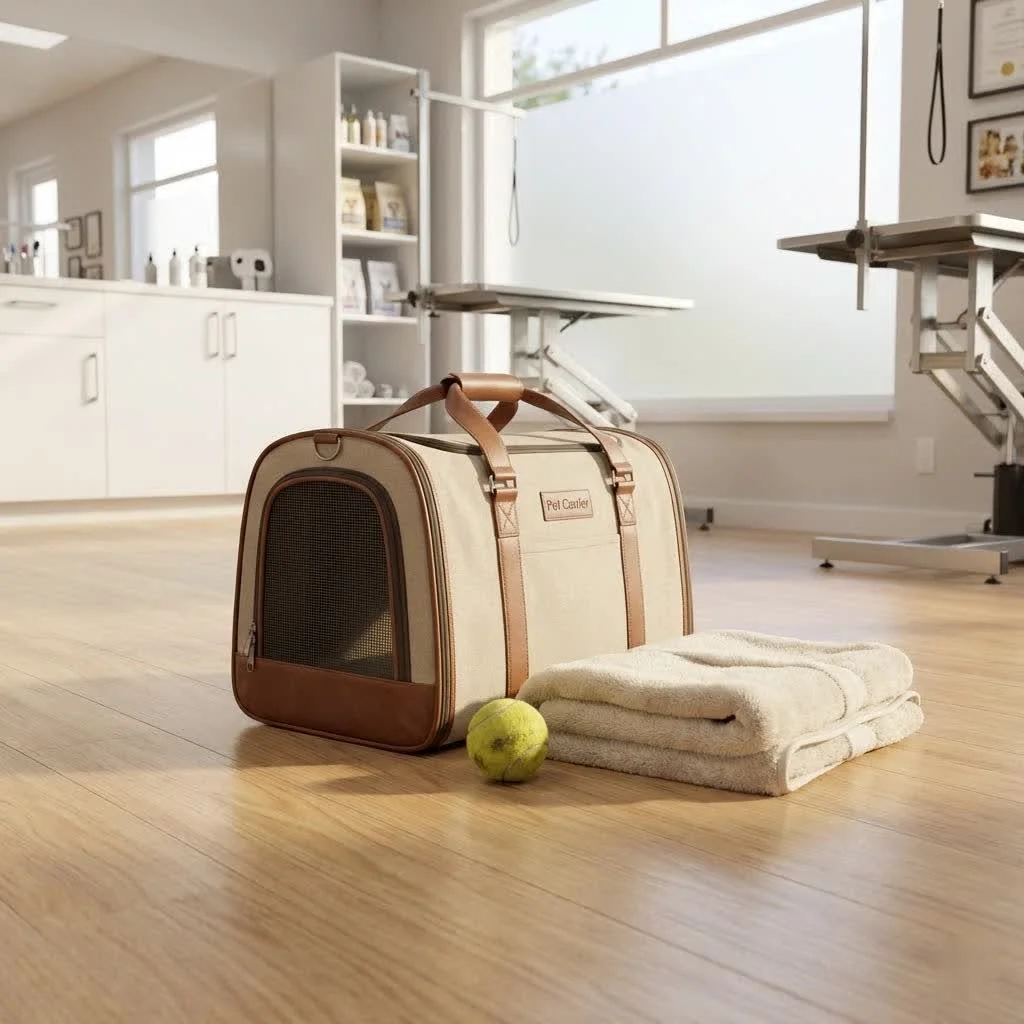
Common Types of Airline Compliant Pet Carriers
Choosing the right type of pet carrier depends heavily on your pet’s size, temperament, and whether they will be traveling in the cabin with you or as checked cargo. Each type offers distinct advantages and disadvantages tailored to different travel scenarios. For more pet travel guides on this site.
Soft-Sided Pet Carriers
Soft-sided carriers are by far the most popular choice for in-cabin travel due to their flexibility and lighter weight. They typically feature mesh windows for ventilation and often come with comfortable interior padding.
- Pros: Lightweight, flexible to fit under airplane seats, often stylish, and can provide a cozy, den-like feel for anxious pets. Many include shoulder straps or handles for easy carrying.
- Cons: Less structural protection than hard-sided options, and may not be suitable for very energetic or destructive pets.
- Best for: Small dogs and cats traveling in the cabin who are calm and accustomed to carriers. Ideal for shorter journeys or when you want your pet close.
Hard-Sided Pet Carriers
Hard-sided kennels are the standard for pets traveling as checked baggage in the cargo hold, providing superior protection and ventilation. Some smaller hard-sided carriers may also be approved for in-cabin travel on certain airlines if they meet specific dimensions.
- Pros: Extremely durable, offers maximum protection, excellent ventilation, and prevents escapes. Meets FAA and IATA cargo requirements.
- Cons: Can be bulky and heavy, less flexible for fitting into tight spaces, and generally not suitable for in-cabin use unless very small.
- Best for: Larger dogs, pets traveling in cargo, or pets requiring robust protection.
Backpack Pet Carriers
For hands-free convenience, backpack pet carriers are an excellent option, particularly for smaller pets. They allow you to keep your pet close while navigating busy airports or embarking on walking adventures.
- Pros: Frees up your hands, offers good visibility for your pet, and comfortable for the owner to carry over longer periods.
- Cons: Can be restrictive for the pet’s movement, ventilation might be less optimal in some designs, and generally only suitable for very small animals.
- Best for: Small dogs and cats on shorter trips, walks, or when you need both hands free.
Rolling Pet Carriers (With Wheels)
|
Our Picks for the Best Pet Carrier in 2026
As an Amazon Associate I earn from qualifying purchases.
|
||
| Num | Product | Action |
|---|---|---|
| 1 | Dog Sling Carrier, Puppy Carrier Purse with Storage Pocket, Hand-Free Dog Carrier Sling for Carry Small Dogs and Cats, Puppy Essentials (Purple) |

|
| 2 | Henkelion Cat Carriers Dog Carrier Pet Carrier for Small / Medium Cats Dogs Puppies (Up To 15lbs), TSA Airline Approved Small Dog Carrier Soft Sided, Collapsible Waterproof Travel Puppy Carrier -Black |
|
| 3 | Pet Carrier for Large Cats, Soft-Sided Cat Carrier for Medium Big Cats and Puppy up to 20lbs, Washable Dog Carrier Privacy Protection for Home Outdoor Travel |
|
| 4 | Texsens Innovative Traveler Bubble Backpack Pet Carriers for Cats and Dogs (Black) |
|
| 5 | Henkelion Cat Carriers Dog Carrier Pet Carrier For Small / Medium Cats Dogs Puppies (Up To 15lbs), TSA Airline Approved Small Dog Carrier Soft Sided, Collapsible Waterproof Travel Puppy Carrier - Grey |
|
| 6 | Lekereise Cat Backpack Carriers, Dog Carrier Backpacks with Breathable Mesh for Small Medium Cats Dogs Puppy Up to 17 Lbs, Pet Foldable Carrying Backpack Ventilated for Travel Hiking Collapsible |
|
| 7 | Morpilot Cat Carrier - Cat Carrier Soft for Medium or Large Cats up to 20lbs, with Dual-Sided Cushion, Secure Buckle and Foldable Bowl, Dog Carriers for Small Dogs - Pet Carrier (Dark Gray) |
|
| 8 | Top and 2 Sides Expandable Large Cat Carrier 18x13.5x9.5, TSA Airline Approved Dog Carriers for Large Dogs, Soft-Sided Pet Carrier with Self-Locking Zippers for Kitten,Rabbit,Puppy, Black White |
|
| 9 | Amazon Basics 2-Door Top-Load Hard-Sided Dogs, Cats Pet Travel Carrier, Gray & Blue, 22.8"L x 15.0"W x 13.0"H |
|
| 10 | Cat Carrying Case Pet Dog Carrier Soft-Sided Cat Bag Airline Approved, Pet Travel Carrier Up to 15 Lbs, Collapsible Cats Carrier Dog Carrier for Medium Small Cats Dogs(17x11x11 Green) |
|
Rolling pet carriers provide effortless transportation for heavier or larger in-cabin pets, or for navigating long airport terminals. These often combine the features of soft-sided carriers with the convenience of wheels.
- Pros: Reduces physical strain for the owner, easy to maneuver through airports, and often comes with multiple access points.
- Cons: Can be bulkier than standard soft-sided carriers, wheels may need to be removed for under-seat storage on some airlines, and may not handle uneven terrain well.
- Best for: Pets that are a bit too heavy to carry comfortably, or for owners who prefer not to carry their pet.
Expandable Pet Carriers
Expandable carriers feature zippered mesh sections that can be extended when stationary, offering your pet extra room to stretch out at the gate or during layovers. These are typically soft-sided and designed for in-cabin use.
- Pros: Provides significantly more space for your pet when not actively under a seat, enhancing comfort during waiting times. Often collapsible for easy storage.
- Cons: Expandable sections must be zipped up during takeoff, landing, and while under the seat, limiting space during those crucial times.
- Best for: Pets who benefit from extra room during layovers, offering flexibility while maintaining airline compliance for flight phases.
Comparison of Pet Carrier Types
| Feature | Soft-Sided | Hard-Sided | Backpack | Rolling | Expandable |
|---|---|---|---|---|---|
| Size | Small/Med | Med/Large | Small | Small/Med | Small/Med |
| Durability | Medium | High | Medium | High (frame) | Medium |
| Ventilation | Good | Excellent | Good | Good | Good |
| Portability | High | Low | Very High | Very High | High |
| In-Cabin Fit | Excellent | Varies | Good | Good | Excellent |
| Cargo Use | No | Yes | No | No | No |
| Price | Affordable/Mid | Mid/High | Mid | Mid/High | Mid |
How to Choose an Airline Compliant Pet Carrier
Selecting the right pet carrier requires careful consideration of both airline regulations and your pet’s individual needs. Making the wrong choice can lead to denied boarding or a very uncomfortable journey for your furry companion.
Size Matters: Ensuring a Proper Fit
The single most critical factor is size. An airline compliant pet carrier must fit comfortably under the seat in front of you (for in-cabin travel) or meet specific cargo dimensions. More importantly, your pet must be able to stand up, turn around, and lie down in a natural position inside the carrier without touching the top or sides.
- Measure Your Pet: Accurately measure your pet’s length (from nose to the base of the tail) and height (from the floor to the top of their head).
- Check Airline Guidelines: Every airline has unique dimensions for in-cabin and cargo carriers. A typical soft-sided in-cabin carrier might need to be around 18″ L x 11″ W x 11″ H or smaller, but this can vary. Always check the specific airline’s pet policy for your flight. Do not try to squeeze a pet into a carrier that is too small, even if it fits the airline’s external dimensions.
Material and Durability
The carrier’s construction material directly impacts its safety, durability, and ease of cleaning.
- Safety and Non-Toxic: Ensure all materials are pet-safe and non-toxic.
- Ventilation: Look for carriers with ample mesh panels (at least three sides for many airlines) to ensure good airflow and allow your pet to see their surroundings.
- Durability: The carrier will undergo handling, so choose strong, tear-resistant materials with reinforced stitching and secure, self-locking zippers.
- Easy to Clean: Accidents happen. A carrier with a waterproof bottom and removable, machine-washable liners or beds is ideal for maintaining hygiene.
Essential Features for Comfort and Convenience
Beyond basic compliance, certain features can significantly improve your pet’s comfort and your ease of travel.
- Multiple Access Points: Carriers with top and side openings make it easier to load and unload your pet, and offer quick access for comforting or giving treats during travel.
- Secure Closures: High-quality, self-locking zippers or latches are essential to prevent accidental escapes. An internal leash tether is also a great safety feature.
- Comfortable Interior: A soft, padded mat or bed provides cushioning. Some carriers offer privacy flaps over mesh windows to help anxious pets feel more secure.
- Portability: Adjustable shoulder straps, padded handles, and a trolley sleeve (a band that slides over a luggage handle) can make navigating airports much easier, especially if you’re also managing carry-on luggage.
- Storage Pockets: External pockets are useful for storing important documents, treats, medication, and waste bags.
Brand Reputation and Reviews
Research reputable brands known for quality pet travel products. Reading reviews from other pet owners can provide valuable insights into a carrier’s real-world performance and comfort.
“When selecting a pet carrier, remember that airline rules are just the starting point. Prioritizing your pet’s comfort and safety within those guidelines is paramount. A carrier isn’t just a box; it’s a temporary sanctuary.” – Dr. Eliza O’Callaghan, DVM, Managing Veterinarian
Crucial Reminder: Always Verify Airline Regulations
Airline pet policies are dynamic and can vary significantly by airline, aircraft type, and even destination. Before purchasing a carrier and especially before your flight, always check your specific airline’s current regulations for pet travel, including:
- Maximum dimensions for in-cabin carriers.
- Combined weight limit for pet and carrier.
- Required documentation (vaccination records, health certificates).
- Fees for pet travel.
- Restrictions on breeds or pet types.
- Whether pets are allowed out of carriers during the flight.
Top Recommended Airline Compliant Pet Carriers
Based on expert reviews and practical testing, several carriers consistently stand out for their compliance, durability, and pet comfort.
Tavo Dupree Carry On Pet Car Seat
This carrier is highly praised for its innovative dual functionality, serving as both an airline-approved carrier and a car seat. It boasts sturdy construction and high-quality materials, ensuring safety and comfort. It’s impact-tested and features mesh panels, a structured base, and plush, washable mattress pads. Its external zippered pockets, leash storage, and tracker device holder add to its convenience.
Away The Pet Carrier
Known for its sleek design and exceptional durability, the Away Pet Carrier is a favorite among frequent flyers. It’s constructed from robust nylon and leather, with a water-resistant lining and a removable, washable faux shearling bed. Features include privacy screens, multiple access points, excellent ventilation, and a trolley sleeve. It’s also crash-test certified by the Center for Pet Safety.
Sherpa Original Deluxe Travel Bag Pet Carrier
A budget-friendly yet reliable option, the Sherpa Original Deluxe is a classic for a reason. It’s lightweight, features a structured design with a firm bottom, and provides ample ventilation with three mesh walls. It accommodates pets up to 22 pounds and includes a soft interior mat. This carrier is also collapsible for easy storage and has external storage and a luggage strap for convenience.
Petsfit Expandable Pet Carrier
For pets who appreciate extra space, the Petsfit Expandable Pet Carrier is an excellent choice. Its dual expandable, scratch-resistant mesh sides provide ample room when waiting at the gate or during layovers. It’s lightweight, collapsible, and features a soft interior lining. This carrier is noted for its flexibility, allowing the fiber rods in the top frame to be removed for extra “give” to squeeze under the seat.
Conclusion
Traveling with your pet doesn’t have to be a source of anxiety. By investing in the right airline compliant pet carrier and understanding the specific requirements of your chosen airline, you can ensure a safe, comfortable, and enjoyable journey for both you and your furry companion. Prioritizing proper sizing, robust materials, and pet-friendly features will make all the difference, transforming travel into a shared adventure rather than a chore. Which features are most important to you when choosing a pet carrier for air travel?
Frequently Asked Questions
What sized pet carrier is allowed on airplanes under a seat?
There is no universal standard for under-seat pet carrier dimensions; airlines each set their own guidelines. Generally, soft-sided carriers around 18 inches long, 11 inches wide, and 11 inches tall are commonly accepted. Always check with your specific airline before flying to confirm their exact requirements.
How long can a pet safely stay inside an in-cabin carrier?
Veterinarians suggest that most pets can safely stay in an in-cabin travel carrier for about six to eight hours, provided the carrier is appropriately sized and comfortable. It’s best if your pet can have a bathroom break every six hours, which might only be possible on shorter flights or with private pet transport services.
What should I put in a pet’s travel carrier for a flight?
To ensure your pet’s comfort and compliance, include essential items like an absorbent pad or a familiar blanket, a small treat or toy, and any necessary paperwork such as vaccination records. While food and water bowls are often not permitted in-cabin during flight, a collapsible water bowl for pre-flight hydration can be useful. Avoid overcrowding the carrier.
How can I help my pet stay calm in their airline carrier?
Acclimate your pet to the carrier by introducing it days or weeks before the flight, placing treats inside to build positive associations. Keep your demeanor calm and positive, as pets often mirror their owners’ emotions. For pets with significant anxiety, consult your veterinarian about calming aids or strategies.
Pet products vetted on real animals
Free PDF — protein DMB calculator + 18 dog foods rated.
