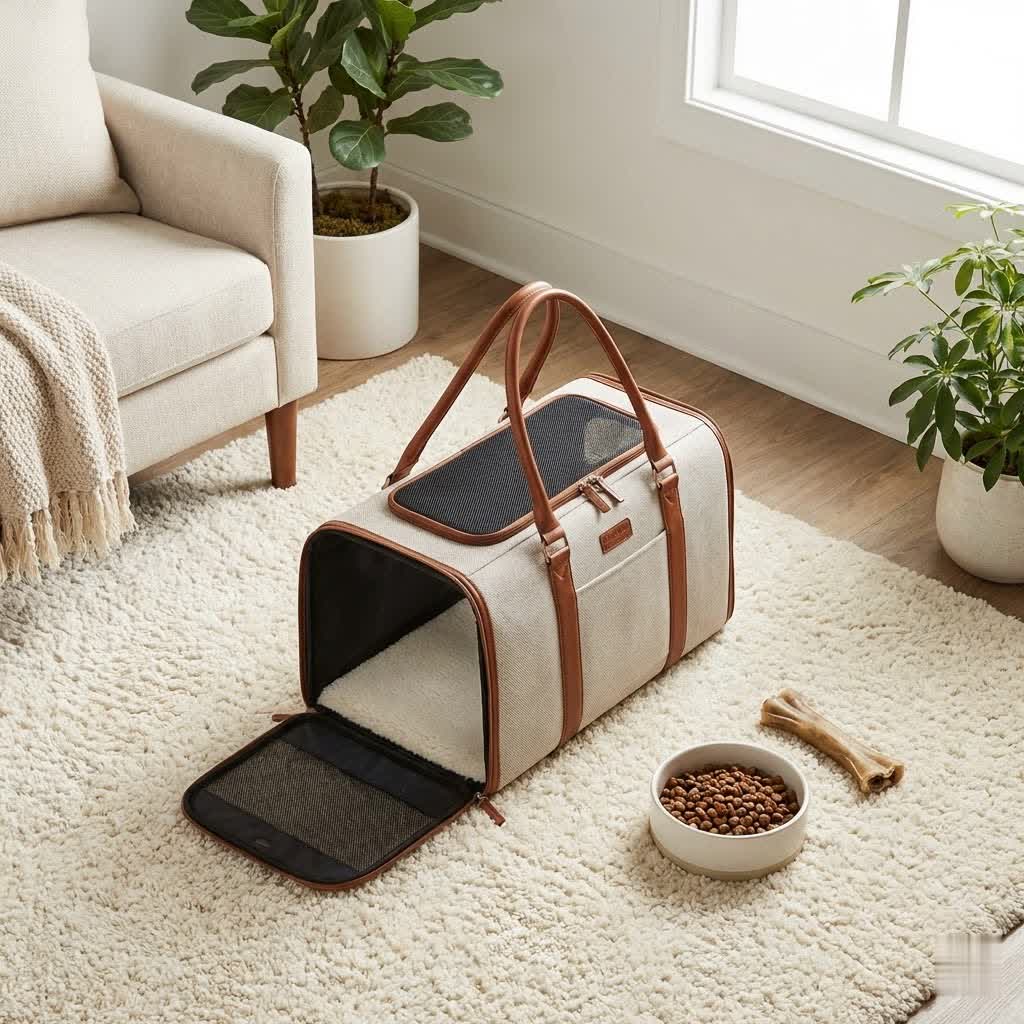
Traveling with your beloved pet can be an enriching experience, but the journey often begins long before you reach your destination: with selecting the right pet carrier. Navigating the complex world of airline regulations and ensuring your furry friend’s comfort and safety during air travel can feel overwhelming. This comprehensive guide will equip you with all the knowledge you need to choose an airline-approved pet carrier, making your travel planning seamless and stress-free.
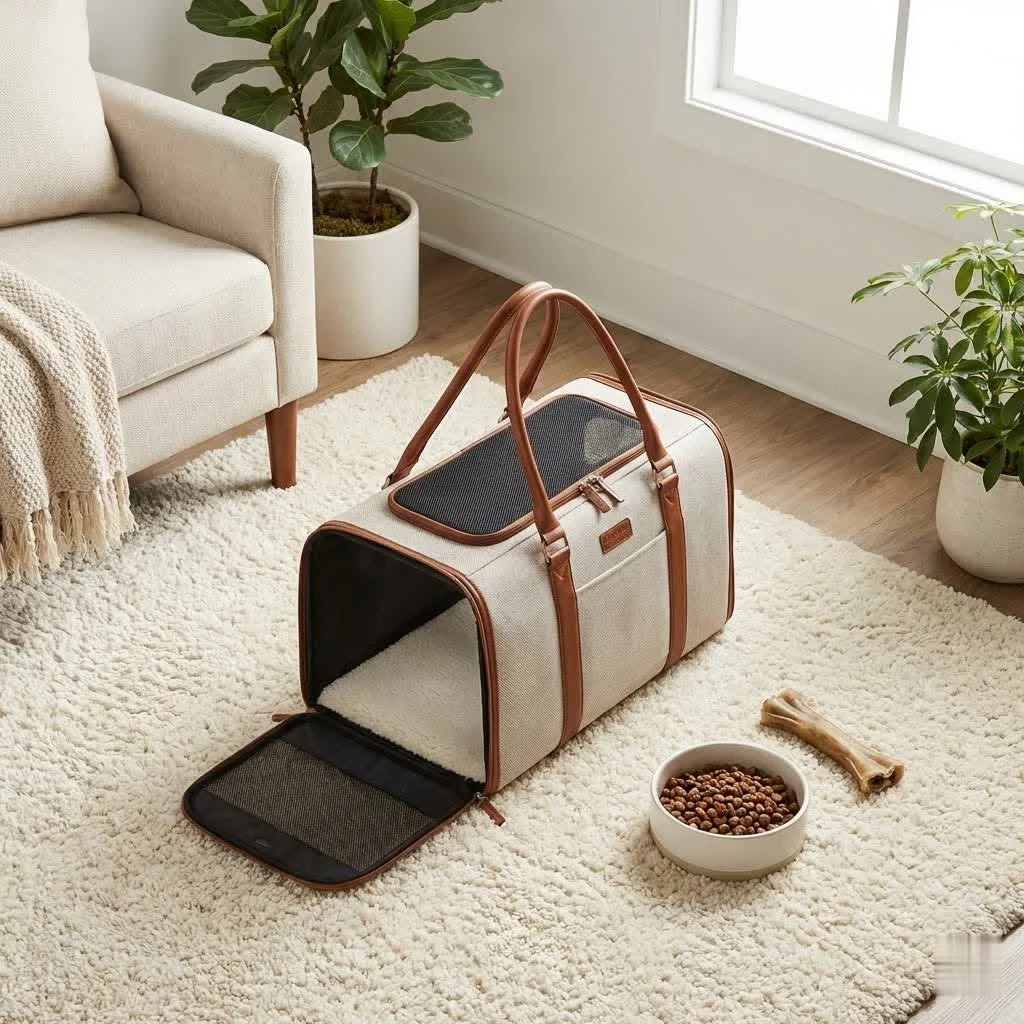
When preparing for air travel with a pet, the carrier is more than just a bag; it’s your pet’s safe haven. A suitable carrier must not only meet strict airline guidelines but also provide a comfortable and secure environment for your animal. From understanding dimension limits to prioritizing ventilation and durability, making an informed choice is paramount for a smooth journey.
Understanding Pet Carrier Types for Air Travel
The world of pet carriers offers various designs, each with specific advantages and suitability for different travel scenarios. When flying, the primary distinction is often between carriers designed for in-cabin travel (under the seat) and those intended for cargo.
Soft-Sided Bag Carriers (In-Cabin)
These are the most common choice for pets traveling in the cabin. Their flexible sides allow for some compression, making them adaptable to the varying under-seat dimensions of different aircraft.
- Pros: Lightweight, often stylish, can be partially collapsed for storage, better fit under seats due to flexibility.
- Cons: Less rigid protection than crates, space can feel confined for larger small pets.
- Suitable for: Small dogs and cats who will travel with you in the main cabin. Ideal for short to medium flights where your pet can be easily monitored.
Backpack Pet Carriers (In-Cabin)
A hands-free option, these carriers allow you to carry your pet on your back, which can be convenient for navigating airports. They are typically soft-sided and designed to fit under an airplane seat.
- Pros: Distributes weight evenly, leaves your hands free for luggage, good for walking through busy terminals.
- Cons: Can be less stable than a traditional bag carrier, may not offer enough space for pets to fully stretch out.
- Suitable for: Very small pets, especially cats or toy breed dogs, who are comfortable being carried vertically for short periods and then can lie down under the seat.
Wheeled Pet Carriers (In-Cabin/Airport Use)
These carriers feature wheels and a telescoping handle, similar to luggage, offering an effortless way to transport heavier small pets through the airport. Many models are soft-sided and designed to compress for under-seat stowage.
- Pros: Reduces physical strain, easy to maneuver through long airport stretches.
- Cons: Can be bulky, may be less stable on uneven surfaces, wheels might add to overall dimensions making them harder to fit under certain seats.
- Suitable for: Small to medium-sized pets where the combined weight of the pet and carrier would be difficult to carry. Always verify under-seat compliance.
Hard-Sided Crates (Primarily Cargo)
|
Our Picks for the Best Pet Carrier in 2026
As an Amazon Associate I earn from qualifying purchases.
|
||
| Num | Product | Action |
|---|---|---|
| 1 | Henkelion Cat Carriers Dog Carrier Pet Carrier for Small / Medium Cats Dogs Puppies (Up To 15lbs), TSA Airline Approved Small Dog Carrier Soft Sided, Collapsible Waterproof Travel Puppy Carrier -Black |

|
| 2 | Texsens Innovative Traveler Bubble Backpack Pet Carriers for Cats and Dogs (Black) |
|
| 3 | Lekereise Cat Backpack Carriers, Dog Carrier Backpacks with Breathable Mesh for Small Medium Cats Dogs Puppy Up to 17 Lbs, Pet Foldable Carrying Backpack Ventilated for Travel Hiking Collapsible |
|
| 4 | Morpilot Cat Carrier - Cat Carrier Soft for Medium or Large Cats up to 20lbs, with Dual-Sided Cushion, Secure Buckle and Foldable Bowl, Dog Carriers for Small Dogs - Pet Carrier (Dark Gray) |
|
| 5 | Cat Carrying Case Pet Dog Carrier Soft-Sided Cat Bag Airline Approved, Pet Travel Carrier Up to 15 Lbs, Collapsible Cats Carrier Dog Carrier for Medium Small Cats Dogs(17x11x11 Green) |
|
| 6 | Pet Carrier for Large Cats, Soft-Sided Cat Carrier for Medium Big Cats and Puppy up to 20lbs, Washable Dog Carrier Privacy Protection for Home Outdoor Travel |
|
| 7 | Top and 2 Sides Expandable Large Cat Carrier 18x13.5x9.5, TSA Airline Approved Dog Carriers for Large Dogs, Soft-Sided Pet Carrier with Self-Locking Zippers for Kitten,Rabbit,Puppy, Black White |
|
| 8 | Henkelion Cat Carriers Dog Carrier Pet Carrier For Small / Medium Cats Dogs Puppies (Up To 15lbs), TSA Airline Approved Small Dog Carrier Soft Sided, Collapsible Waterproof Travel Puppy Carrier - Grey |
|
| 9 | Amazon Basics 2-Door Top-Load Hard-Sided Dogs, Cats Pet Travel Carrier, Gray & Blue, 22.8"L x 15.0"W x 13.0"H |
|
| 10 | Dog Sling Carrier, Puppy Carrier Purse with Storage Pocket, Hand-Free Dog Carrier Sling for Carry Small Dogs and Cats, Puppy Essentials (Purple) |
|
While typically not allowed in the main cabin, hard-sided crates are the standard for pets traveling as checked baggage in the cargo hold. These offer robust protection and excellent ventilation.
- Pros: Maximum protection, very sturdy, ample ventilation, often meet IATA cargo standards.
- Cons: Bulky, heavy, not suitable for in-cabin travel, pets are separated from owners.
- Suitable for: Larger pets that cannot fit under a seat, or for long-haul international flights where cargo travel is the only option. (Note: This guide focuses on in-cabin carriers, but it’s important to differentiate.)
Key Airline Pet Carrier Requirements
Understanding and adhering to airline regulations is the most critical step in selecting an airplane pet carrier. Regulations vary significantly between airlines, and even by aircraft type, so always double-check with your specific airline before purchasing.
Size and Fit Under Seat
The paramount rule for in-cabin carriers is that they must fit completely under the seat in front of you. This means the carrier, with your pet inside, cannot obstruct the aisle or extend into another passenger’s space. Soft-sided carriers are generally recommended because their flexible nature allows for some compression to fit into tighter under-seat spaces. Your pet must also be able to stand up, turn around, and lie down comfortably within the carrier without touching the top or sides.
Materials and Construction
An airline-compliant carrier should feature a waterproof bottom to contain any accidents and prevent leaks. For soft-sided models, a rigid insert in the base is highly beneficial to maintain shape and provide a stable platform for your pet. Look for durable, pet-safe materials that can withstand the rigors of travel. Zippers, not snaps or Velcro, are crucial for secure closures, preventing accidental escapes during transit.
Ventilation
Adequate airflow is vital for your pet’s comfort and safety. Most airlines require carriers to have ventilation openings on at least three sides for domestic travel, and often four sides for international travel. These usually come in the form of mesh windows or panels. Sufficient ventilation helps prevent overheating and ensures your pet can breathe easily.
Leak-Proofing
Beyond a waterproof bottom, a good airline pet carrier should be designed to be leak-proof overall. This protects the aircraft cabin from any spills or accidents your pet might have. Many carriers come with absorbent pads or liners that can be easily cleaned or replaced.
Weight Limits
Some airlines impose a combined weight limit for the pet and carrier (e.g., 20 pounds), especially for in-cabin travel. This is another crucial detail to confirm with your airline. Always weigh your pet and the empty carrier beforehand to ensure compliance.
“The golden rule of airline pet travel is: always call your specific airline. Regulations for size, weight, and even breed restrictions can change, and what works for one flight might not work for another.” – Admin, ReviewNeko.com, Pet Product Specialist
Checking Specific Airline Policies
Due to variations, it is non-negotiable to contact your airline directly regarding their most current pet policies. Ask about maximum dimensions for under-seat carriers on your specific aircraft, any weight restrictions, required documentation (like health certificates), and booking procedures for pets. Some airlines, like American, may not allow under-seat stowage in First Class or only smaller soft-sided carriers in Business Class.
Buying Guide: How to Choose the Best Pet Carrier for Air Travel
Selecting the ideal pet carrier involves more than just meeting airline requirements; it’s about ensuring your pet’s well-being. Consider these factors when making your choice:
Measure Your Pet Accurately
Before looking at any carriers, measure your pet while standing and lying down.
- Length: From the tip of their nose to the base of their tail.
- Height: From the top of their head to the ground while standing.
- Width: The widest part of their body.
The carrier should be tall enough for your pet to stand without their head touching the top, long enough for them to turn around comfortably, and wide enough to lie down naturally.
Prioritize Comfort and Safety
A comfortable pet is a calmer traveler. Look for carriers with soft, removable, and washable bedding. The carrier should have a sturdy, flat base to prevent sagging. Secure zippers and latches are essential to prevent escapes, and some carriers offer internal leash clips for added security.
Look for Key Features
- Multiple Entry Points: Top and side openings can make it easier to load anxious pets or comfort them during the journey.
- Good Ventilation: Mesh windows on at least three (ideally four) sides ensure ample airflow.
- Pockets: External pockets are handy for storing treats, waste bags, or important travel documents.
- Seatbelt Loops: While mainly for car travel, some in-cabin carriers have these, adding stability during ground transport to and from the airport.
- Portability: Padded shoulder straps or a comfortable handle are crucial for carrying the carrier through the airport.
Material Quality and Durability
Invest in a carrier made from high-quality, durable materials that can withstand travel and cleaning. Reinforced seams, strong mesh, and robust zippers will ensure the carrier lasts for many trips to come.
Brand Reputation and Reviews
Research reputable brands known for producing airline-approved pet carriers. Read reviews from other pet owners regarding their experiences with specific models and airlines. Brands like Sherpa are often praised for their compliance and comfort features.
Top Recommended Airline-Approved Pet Carriers
Based on expert recommendations and compliance with general airline regulations, here are a few highly-regarded pet carriers for air travel:
Sherpa Original Deluxe Pet Carrier
- Description: A classic, soft-sided carrier known for its reliability and airline compliance. It often features spring wire frame that allows the rear end of the carrier to be pushed down several inches.
- Key Features: Mesh panels for ventilation, faux lambskin liner, and a “Guaranteed on Board” program (check current details) that offers reimbursement if denied boarding due to the carrier.
- Pros: Widely accepted, good ventilation, comfortable bedding.
Tavo Dupree Carry On Pet Car Seat
- Description: A premium carrier offering dual functionality as both an airline carrier and an impact-tested car seat.
- Key Features: Structured base, high-quality materials, removable and machine-washable plush mattress pads, mesh panels, and impact-tested safety.
- Pros: Exceptional safety, versatility for car and air travel, easy access to pet.
EliteField Soft-Sided Airline-Approved Dog & Cat Carrier Bag
- Description: A popular and lightweight polyester carrier designed for comfort and compliance.
- Key Features: Mesh panels on front and sides, includes a seatbelt loop for car travel, and a removable bed.
- Pros: Lightweight, good ventilation, additional features for versatility.
Vceoa Soft-Sided Airline-Approved Pet Travel Carrier
- Description: This carrier is noted for its ideal measurements for many airlines and includes thoughtful pet comfort features.
- Key Features: Soft-sided design, often comes with an included pet bed, and is suitable for both cats and small dogs.
- Pros: Comfortable for pets, generally meets diverse airline requirements.
Comparison Table: In-Cabin Pet Carrier Types
| Feature | Soft-Sided Bag Carrier | Backpack Carrier | Wheeled Carrier | Hard-Sided Crate (Cargo) |
|---|---|---|---|---|
| Primary Use | In-Cabin Travel | In-Cabin Travel | In-Cabin/Airport Use | Cargo Hold Travel |
| Flexibility | High | Medium | Medium | Low (Rigid) |
| Under-Seat Fit | Excellent (compressible) | Good | Varies (can be bulky) | N/A (not for in-cabin) |
| Hands-Free | No | Yes | No (but wheeled) | N/A |
| Pet Size | Small to Medium | Very Small | Small to Medium | Medium to Large |
| Protection | Moderate | Moderate | Moderate | High |
| Ventilation | Good (mesh panels) | Good (mesh panels) | Good (mesh panels) | Excellent (all sides) |
| Convenience | High (easy carry) | High (hands-free) | High (less strain) | Low (separate from pet) |
Conclusion
Choosing the right pet carrier for airplane travel is a crucial decision that impacts both your pet’s comfort and your peace of mind. By prioritizing airline compliance, your pet’s specific needs, and features that enhance safety and comfort, you can select a carrier that makes air travel a more pleasant experience for everyone. Always remember to measure your pet, review your airline’s specific policies, and invest in a high-quality carrier from a reputable brand. A well-chosen pet carrier is more than just an item; it’s an investment in safe and happy travels with your beloved companion.
What adventures will you and your furry friend embark on next with the perfect airline pet carrier?
Frequently Asked Questions
What is the largest size pet carrier that fits under an airplane seat?
While dimensions vary by airline and aircraft, many airlines recommend soft-sided carriers with maximum dimensions around 18″ L x 11″ W x 11″ H. Always consult your specific airline’s website or customer service for the exact dimensions required for your flight.
Are all soft-sided pet carriers airline approved?
No, not all soft-sided pet carriers are automatically airline approved. A carrier must still meet specific dimensions, have adequate ventilation (usually 3-4 sides), feature a waterproof bottom, and have secure closures. Always verify the carrier’s specifications against your airline’s requirements.
Do pet carriers count as a carry-on item?
Yes, for in-cabin travel, a pet carrier typically counts as your one carry-on item or personal item, depending on the airline’s specific policy. This means you might not be able to bring an additional carry-on bag if you are traveling with a pet in the cabin.
What should I put in my pet carrier for a flight?
Inside the carrier, include a soft, absorbent pad or blanket that your pet is familiar with to provide comfort and absorb any accidents. You can also include a small, soft toy or an item with your scent to help reduce anxiety. Avoid food or water bowls that could spill during turbulence.
How can I make my pet comfortable in an airline carrier?
Acclimate your pet to the carrier in the weeks leading up to the flight by leaving it open at home with treats and toys inside. Practice short periods of confinement. During the flight, ensure the carrier is well-ventilated, and avoid sedatives unless prescribed by a vet who understands air travel effects.
Pet products vetted on real animals
Free PDF — protein DMB calculator + 18 dog foods rated.
