Bringing a furry friend into your life is a joyous experience, and ensuring their comfort and safety, especially when on the go, is a top priority. A quality pet carrier isn’t just a convenience; it’s an essential piece of pet gear that provides a secure haven for vet visits, travel, or even just a trip to the park. But with countless options available, how do you find the best pet carrier to suit your companion’s unique needs and your lifestyle? This comprehensive guide will walk you through everything you need to know, from different types and their benefits to crucial buying considerations, ensuring you make an informed decision for your beloved pet.
Common Types of Pet Carriers
Pet carriers come in a variety of styles, each designed with specific uses and pet temperaments in mind. Understanding the distinctions will help you pinpoint the ideal solution for your adventures together. For more pet travel guides on this site.
Soft-Sided Pet Carriers
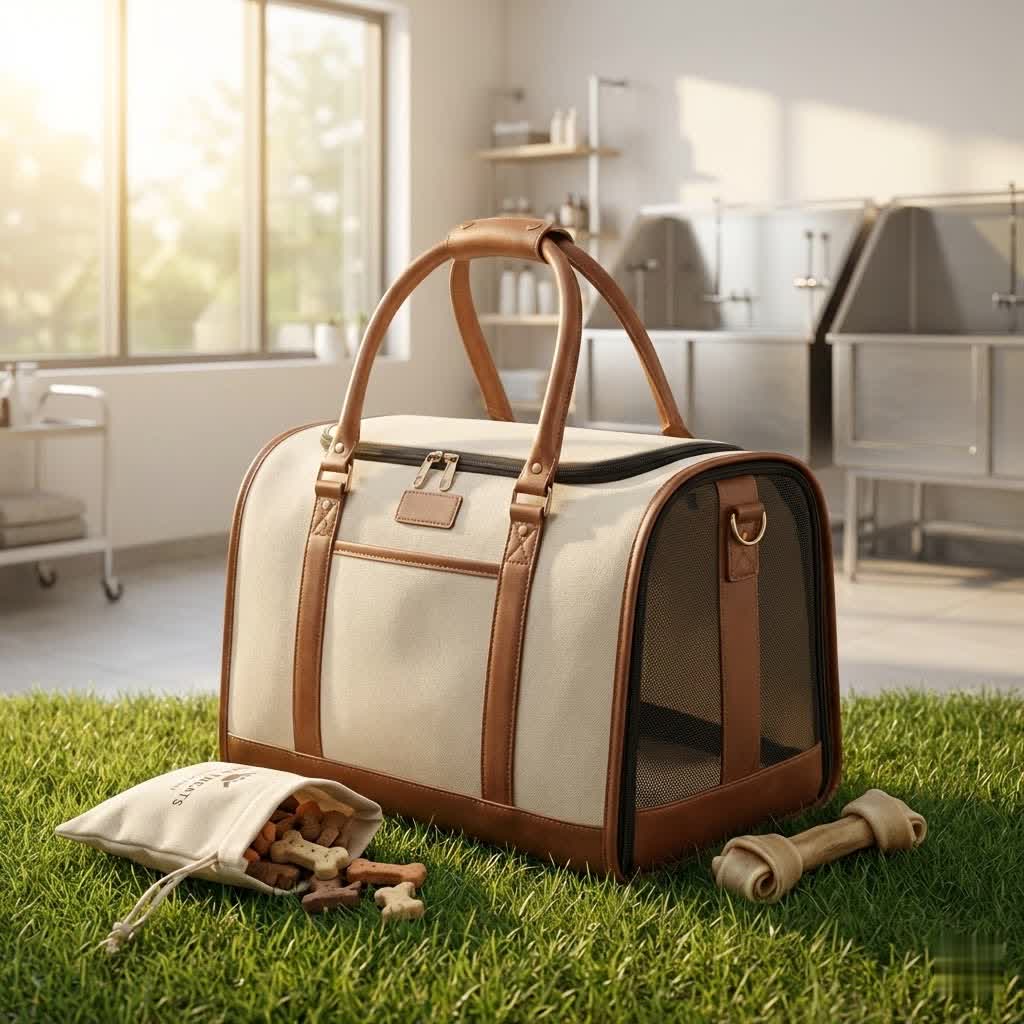
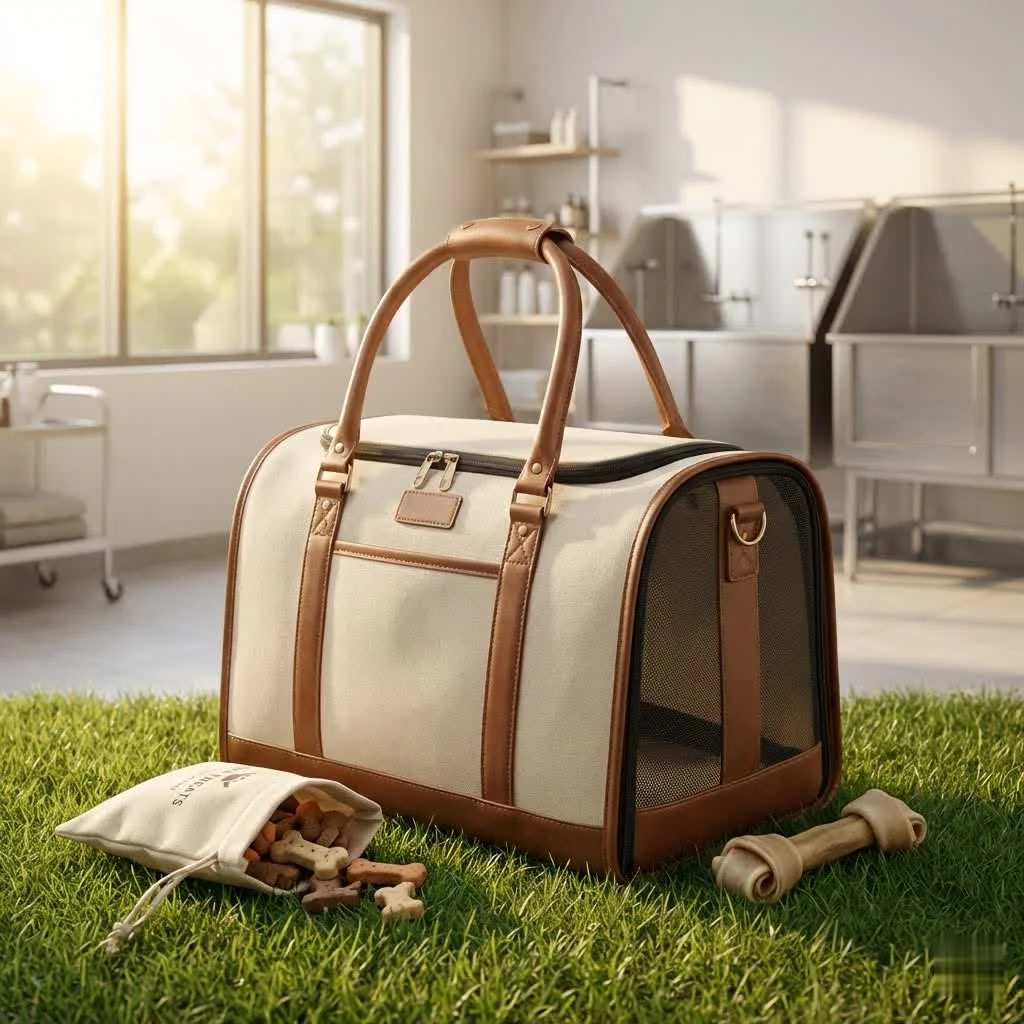
Soft-sided carriers, often resembling stylish duffel bags or purses, are a popular choice for their lightweight and portable nature. These flexible pet carriers are typically made from durable fabrics like nylon or polyester and often feature mesh windows for ventilation.
- Advantages: They are generally lightweight, easy to carry, and can often be folded flat for convenient storage. Many designs are fashionable, blending seamlessly with your personal style. Soft-sided carriers are excellent for small pets and can fit easily under airplane seats (always check airline regulations).
- Disadvantages: While convenient, they offer less rigid protection than hard-sided options and may not be suitable for pets prone to chewing or scratching. Zippers can sometimes be less secure for determined escape artists, and ventilation might be limited in some designs.
- Best For: Small dogs, cats, puppies, short trips, everyday errands, and in-cabin airline travel.
Hard-Sided Pet Crates
Hard-sided carriers, often referred to as travel crates or kennels, are robust and secure, typically constructed from plastic or metal. Their sturdy design provides superior protection and durability, making them a go-to for many pet owners.
- Advantages: These pet carriers offer maximum protection against impacts, are chew-proof, and provide excellent ventilation through large openings. They are easy to clean and sanitize, and many models are approved for cargo travel on airlines. They are also ideal for creating a “den-like” safe space at home.
- Disadvantages: Hard-sided carriers are usually bulkier and heavier than soft-sided options, making them less convenient for carrying by hand over long distances. They can also take up more storage space.
- Best For: Larger dogs, pets that chew, air travel (cargo), long car trips, and establishing a secure home base for your pet.
Backpack Pet Carriers
|
Our Picks for the Best Pet Carrier in 2026
As an Amazon Associate I earn from qualifying purchases.
|
||
| Num | Product | Action |
|---|---|---|
| 1 | Pet Carrier for Large Cats, Soft-Sided Cat Carrier for Medium Big Cats and Puppy up to 20lbs, Washable Dog Carrier Privacy Protection for Home Outdoor Travel |

|
| 2 | Top and 2 Sides Expandable Large Cat Carrier 18x13.5x9.5, TSA Airline Approved Dog Carriers for Large Dogs, Soft-Sided Pet Carrier with Self-Locking Zippers for Kitten,Rabbit,Puppy, Black White |
|
| 3 | Henkelion Cat Carriers Dog Carrier Pet Carrier For Small / Medium Cats Dogs Puppies (Up To 15lbs), TSA Airline Approved Small Dog Carrier Soft Sided, Collapsible Waterproof Travel Puppy Carrier - Grey |
|
| 4 | Cat Carrying Case Pet Dog Carrier Soft-Sided Cat Bag Airline Approved, Pet Travel Carrier Up to 15 Lbs, Collapsible Cats Carrier Dog Carrier for Medium Small Cats Dogs(17x11x11 Green) |
|
| 5 | Morpilot Cat Carrier - Cat Carrier Soft for Medium or Large Cats up to 20lbs, with Dual-Sided Cushion, Secure Buckle and Foldable Bowl, Dog Carriers for Small Dogs - Pet Carrier (Dark Gray) |
|
| 6 | Amazon Basics 2-Door Top-Load Hard-Sided Dogs, Cats Pet Travel Carrier, Gray & Blue, 22.8"L x 15.0"W x 13.0"H |
|
| 7 | Dog Sling Carrier, Puppy Carrier Purse with Storage Pocket, Hand-Free Dog Carrier Sling for Carry Small Dogs and Cats, Puppy Essentials (Purple) |
|
| 8 | Texsens Innovative Traveler Bubble Backpack Pet Carriers for Cats and Dogs (Black) |
|
| 9 | Henkelion Cat Carriers Dog Carrier Pet Carrier for Small / Medium Cats Dogs Puppies (Up To 15lbs), TSA Airline Approved Small Dog Carrier Soft Sided, Collapsible Waterproof Travel Puppy Carrier -Black |
|
| 10 | Lekereise Cat Backpack Carriers, Dog Carrier Backpacks with Breathable Mesh for Small Medium Cats Dogs Puppy Up to 17 Lbs, Pet Foldable Carrying Backpack Ventilated for Travel Hiking Collapsible |
|
Backpack pet carriers offer a hands-free solution for active pet parents who enjoy hiking, biking, or simply want to keep their small companion close while on the go. These carriers are worn on your back or front, distributing your pet’s weight evenly.
- Advantages: They provide excellent convenience, allowing you to keep your hands free for other tasks. Many designs offer good ventilation and visibility for your pet, and they are typically lightweight and washable.
- Disadvantages: Control over your pet’s movement is somewhat limited once they are inside, and some pets might feel enclosed or become overheated in poorly ventilated designs. They are generally only suitable for small dogs, cats, or puppies.
- Best For: Small dogs, cats, and puppies accompanying you on walks, hikes, bike rides, or public transport.
Rolling Pet Carriers
For larger pets or extended travel, rolling pet carriers offer unparalleled ease of transport. These carriers are equipped with wheels and an extendable handle, much like human luggage, eliminating the need for heavy lifting.
- Advantages: They make moving heavier pets effortless, especially through airports, train stations, or large venues. They can help stabilize your pet, potentially reducing anxiety and motion sickness during transit.
- Disadvantages: Rolling carriers can be cumbersome on uneven terrain or stairs. They tend to be bulkier and often come at a higher price point due to their additional features.
- Best For: Larger dogs, senior pets with mobility issues, long-distance travel, and frequent trips where lifting your pet is a challenge.
Comparing Pet Carrier Types
To help you visualize the differences, here’s a quick comparison of the most common pet carrier types:
| Feature | Soft-Sided | Hard-Sided | Backpack | Rolling |
|---|---|---|---|---|
| Size | Small | Small to Large | Small | Medium to Large |
| Durability | Medium | High | Medium | High |
| Ventilation | Variable (often good) | Excellent | Variable (can be limited) | Good |
| Convenience | High | Medium | Very High (hands-free) | High (no lifting) |
| Price | Low to Medium | Medium to High | Medium to High | High |
Choosing the Right Pet Carrier: A Detailed Buying Guide
Selecting the ideal pet carrier involves a careful assessment of several factors to ensure both your pet’s well-being and your convenience.
Size and Fit
The cardinal rule of pet carriers is ensuring the right size. Your pet needs to be comfortable, able to move freely, and never feel cramped.
- Measure Your Pet: Start by measuring your pet’s length from the tip of their nose to the base of their tail, and their height from the top of their head (or ears, if applicable) to the ground. Then, add a few inches to these measurements to find the minimum interior dimensions for the carrier.
- Freedom of Movement: The carrier should be spacious enough for your pet to stand up, turn around completely, and lie down in a natural position without their head touching the top. “A carrier that’s too small can cause significant stress and even injury during travel,” advises a lead technician at ReviewNeko.com. Providing ample space is paramount for their comfort.
- Trial Run: If possible, take your pet to a store and let them try out different carriers. Observe how they move inside and whether they seem comfortable.
Material and Durability
The material dictates the carrier’s longevity, ease of cleaning, and suitability for different pets.
- Safe and Non-Toxic: Always ensure the materials are pet-safe and non-toxic.
- Ventilation and Cleaning: Look for materials that allow for good airflow, especially if your pet gets hot easily. Plastic and metal are easy to wipe clean, while fabric carriers often have removable, machine-washable liners.
- Chewing Habits: For pets that are prone to chewing or attempting to escape, hard-sided carriers made of sturdy plastic or metal are a more secure and durable choice. Soft-sided carriers are best for calmer pets.
Safety Features
A pet carrier’s primary function is to keep your pet safe and secure.
- Secure Latches and Zippers: Ensure all doors, latches, and zippers are robust and designed to prevent accidental openings or escapes. Double-check that zippers can be secured with clips or locks if your pet is clever at unzipping.
- Sturdy Construction: The carrier should be well-constructed and stable, preventing it from collapsing or tipping over.
- Vehicle Security: For car travel, look for carriers with built-in seatbelt straps or guides that allow you to secure the carrier to your vehicle’s seat, minimizing movement and ensuring safety in case of sudden stops. Some hard-sided carriers are even crash-tested for added protection.
- Airline Requirements: If you plan to fly, always verify the specific size and construction requirements of your chosen airline, as regulations can vary significantly for both in-cabin and cargo travel.
Comfort and Ventilation
A comfortable carrier helps reduce stress and makes travel a more positive experience for your pet.
- Adequate Airflow: Sufficient ventilation through mesh windows or openings is crucial to prevent overheating and ensure your pet gets enough fresh air.
- Soft Bedding: A soft, cushioned bottom or a removable, washable pad will enhance comfort. You can also add a familiar blanket or a small bed from home to make the space more inviting and smell comforting.
- Multiple Entry Points: Carriers with multiple entry points (top, front, side) can make it easier to load and unload your pet, which is especially helpful for anxious animals.
- Visibility: Pets often feel more secure if they can see their surroundings, so mesh panels that offer visibility are a plus.
Convenience and Portability
Consider how you will use the carrier and what features will make your life easier.
- Handles and Straps: Ergonomic handles, adjustable shoulder straps, or wheeled options contribute significantly to ease of transport, especially when carrying heavier pets or navigating busy areas. Spinner wheels on rolling carriers offer superior maneuverability.
- Storage: If space is an issue, look for carriers that can be easily folded or disassembled for compact storage.
- Side Pockets: Extra pockets are invaluable for carrying essentials like treats, waste bags, a leash, or collapsible water bowls.
Brand and Reviews
While I can’t recommend specific brands here, general advice applies to ensure you select a reliable product.
- Reputation: Opt for reputable brands known for producing high-quality pet products.
- User Feedback: Always read reviews from other pet owners to gain insights into the carrier’s real-world performance, durability, and any potential issues.
- Compare Features and Price: Weigh the features against the cost to ensure you’re getting the best value for your investment, keeping your pet’s comfort and safety as the ultimate priorities.
Top Recommended Pet Carriers
While specific product availability and features can change, here are examples of top-tier pet carriers categorized by their primary use and design, reflecting what experienced pet owners look for.
The Everyday Essential Soft-Sided Carrier
This type of carrier excels in combining style, comfort, and practicality for daily use. An excellent model would feature a durable, lightweight nylon or polyester exterior with multiple mesh windows for superior ventilation and visibility. It would include a plush, removable, and machine-washable fleece pad for maximum pet comfort, along with sturdy, padded shoulder straps and an additional hand carry option. Secure, auto-locking zippers and a safety leash clip inside ensure your pet stays put. Ideal for small to medium pets, this carrier offers a perfect balance for vet visits, quick errands, or short car trips.
The Robust Hard-Sided Travel Crate
For uncompromising safety and durability, a top-performing hard-sided carrier is a must-have. Look for models constructed from high-impact, eco-friendly plastic, designed with superior ventilation on all four sides. It should feature a secure, spring-loaded latch system that’s easy for humans to operate but escape-proof for pets. Interior dimensions that comfortably allow a pet to stand, turn around, and lie down are essential. Many premium hard-sided carriers are IATA-compliant for airline cargo travel and come with optional wheel kits, making them suitable for long-distance journeys with medium to large dogs or cats.
The Innovative Hands-Free Backpack Carrier
An ideal backpack carrier would prioritize ergonomic design for both pet and owner, allowing for comfortable, hands-free transport. Key features include a breathable mesh front and side panels for ample airflow and visibility, an internal safety tether, and a firm, comfortable base for the pet. Padded, adjustable shoulder straps, a sternum strap, and a waist belt ensure the owner’s comfort. Some advanced models include expandable compartments, giving pets extra space to stretch out when stationary. Perfect for small pets, this carrier is designed for adventures like hiking, cycling, or navigating bustling urban environments.
“Investing in the right pet carrier is an investment in your pet’s peace of mind and your own. It’s about making every journey, big or small, a comfortable and safe experience.” – ReviewNeko.com’s Lead Technician
Conclusion
Choosing the best pet carrier for your furry family member is a crucial decision that impacts their safety, comfort, and your convenience. By carefully considering the different types of carriers, assessing key features like size, material, safety, and comfort, and aligning your choice with your pet’s needs and your lifestyle, you can find the perfect pet gear carrier. A well-chosen carrier becomes a secure, familiar space for your pet, transforming potentially stressful situations into calm, manageable experiences. What exciting adventures will you and your well-equipped companion embark on next?
Frequently Asked Questions
How do I know what size pet carrier to buy for my dog or cat?
To ensure the perfect fit, measure your pet’s length from nose to tail base and their height from head to floor. Add at least 4-6 inches to both measurements to allow them to stand, turn around, and lie down comfortably inside the pet carrier. A snug carrier causes unnecessary stress, so always err on the side of slightly larger, but not so large that they feel insecure.
Are soft-sided pet carriers safe for car travel?
Soft-sided pet carriers can be safe for car travel, particularly for smaller pets, provided they are securely fastened. Look for carriers with loops or straps designed to thread a seatbelt through, preventing the carrier from shifting during transit. For larger dogs or for maximum protection, a crash-tested hard-sided crate is generally recommended.
Can I use a pet carrier for airline travel?
Yes, many pet carriers are designed for airline travel, but regulations vary significantly. For in-cabin travel, soft-sided carriers that fit under the seat are common. For cargo, hard-sided, IATA-compliant crates are usually required. Always check your specific airline’s current pet policy regarding size, ventilation, and construction well in advance of your flight.
How can I make my pet comfortable in their new carrier?
Introduce the pet carrier gradually in a positive way. Leave it open with a favorite blanket, toy, or treats inside, allowing your pet to explore it at their own pace. Use positive reinforcement and praise when they enter. Start with short durations inside the carrier, slowly increasing the time. Consistency and patience will help your pet associate the carrier with safety and comfort.
Pet products vetted on real animals
Free PDF — protein DMB calculator + 18 dog foods rated.
