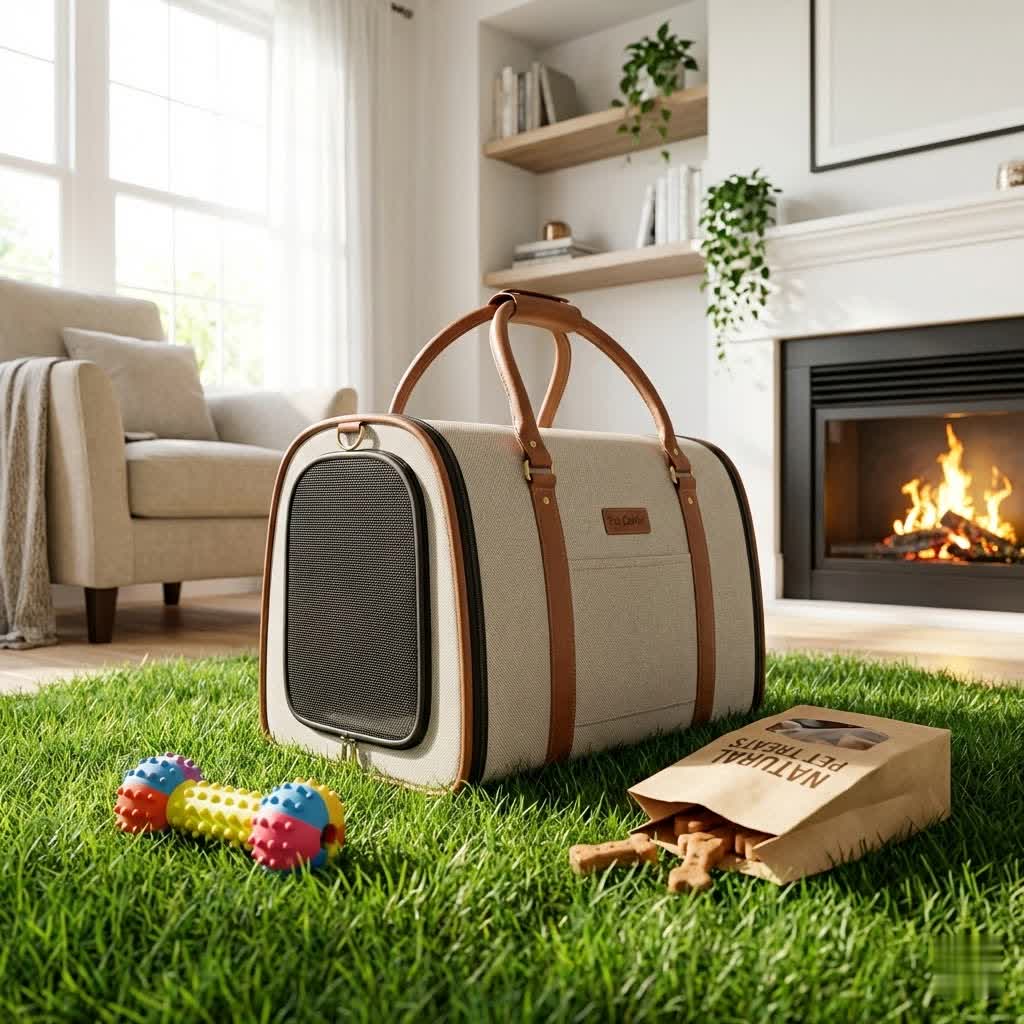
As an administrator at ReviewNeko.com and a seasoned pet product technician with over a decade of hands-on experience, I’ve had the privilege of evaluating hundreds of pet carriers. When it comes to transporting your furry companion, especially smaller dogs, a soft pet carrier offers a unique blend of comfort, convenience, and style that hard-sided alternatives often can’t match. But with so many options available, how do you pick the perfect one that prioritizes your dog’s safety and well-being while making your life easier? This comprehensive guide will walk you through everything you need to know to select the ideal soft pet carrier for your beloved canine.

Popular Types of Soft Pet Carriers
Soft pet carriers come in various designs, each offering distinct advantages depending on your travel needs and your dog’s temperament. Understanding these types is the first step in making an informed choice. For shop curated pet travel on this site.
Standard Soft-Sided Pet Carriers
These are the most common type, resembling a duffel bag or tote, typically made from durable fabrics like nylon or polyester.
- Pros: Lightweight, highly portable, often collapsible for easy storage, and generally more comfortable for pets due to flexible sides and padded interiors. Many are airline-approved for in-cabin travel due to their ability to conform to under-seat spaces.
- Cons: May offer less rigid protection against impacts compared to hard carriers and can be more susceptible to chewing or scratching if your dog is prone to it. Cleaning can also be more involved, often requiring machine washing.
- Suitable for: Small to medium-sized dogs, short trips, car travel, and air travel where your pet rides in the cabin.
Soft-Sided Backpack Carriers
Designed to be worn on your back, these carriers free up your hands, making them ideal for active pet parents.
- Pros: Excellent for hands-free transport during hikes, walks, or public transit. They often feature good ventilation and provide a close, comforting experience for anxious dogs.
- Cons: Can sometimes feel warm for the pet in warmer climates, and monitoring your dog’s comfort and behavior inside can be more challenging. They are generally best for smaller, lighter dogs to ensure your comfort.
- Suitable for: Small dogs, short excursions, hiking, cycling, or urban commutes.
Soft-Sided Rolling Carriers
These carriers combine the comfort of soft sides with the convenience of wheels, resembling a carry-on suitcase.
- Pros: Effortless to transport heavier small to medium-sized dogs, reducing strain on your arms and shoulders, especially in airports or bus terminals. Many are still flexible enough to meet airline carry-on requirements.
- Cons: Can be bulkier than standard soft carriers and less suitable for navigating rough terrain or stairs. The wheels and handle mechanism add to the overall weight.
- Suitable for: Medium-sized dogs, long-distance travel, airport navigation, and for owners who prefer not to carry their pet’s weight.
Comparison Table: Soft Pet Carrier Features
To help visualize the differences, here’s a quick comparison of the main soft pet carrier types:
| Feature | Standard Soft Carrier | Backpack Carrier | Rolling Soft Carrier |
|---|---|---|---|
| Size Range | Small to Medium | Small | Small to Medium |
| Durability | Medium | Medium | Medium to High |
| Ventilation | Good | Variable | Good |
| Convenience | High | High (hands-free) | High (wheeled) |
| Portability | Excellent | Excellent | Good (on flat ground) |
| Price | Affordable | Moderate | Moderate to High |
Your Essential Buying Guide to Soft Pet Carriers
Selecting the right soft pet carrier involves more than just picking a pretty design. It’s about ensuring your dog’s safety, comfort, and compliance with travel regulations.
Sizing Your Pet Carrier Correctly
|
Our Picks for the Best Pet Carrier in 2026
As an Amazon Associate I earn from qualifying purchases.
|
||
| Num | Product | Action |
|---|---|---|
| 1 | Dog Sling Carrier, Puppy Carrier Purse with Storage Pocket, Hand-Free Dog Carrier Sling for Carry Small Dogs and Cats, Puppy Essentials (Purple) |

|
| 2 | Henkelion Cat Carriers Dog Carrier Pet Carrier for Small / Medium Cats Dogs Puppies (Up To 15lbs), TSA Airline Approved Small Dog Carrier Soft Sided, Collapsible Waterproof Travel Puppy Carrier -Black |
|
| 3 | Morpilot Cat Carrier - Cat Carrier Soft for Medium or Large Cats up to 20lbs, with Dual-Sided Cushion, Secure Buckle and Foldable Bowl, Dog Carriers for Small Dogs - Pet Carrier (Dark Gray) |
|
| 4 | Texsens Innovative Traveler Bubble Backpack Pet Carriers for Cats and Dogs (Black) |
|
| 5 | Cat Carrying Case Pet Dog Carrier Soft-Sided Cat Bag Airline Approved, Pet Travel Carrier Up to 15 Lbs, Collapsible Cats Carrier Dog Carrier for Medium Small Cats Dogs(17x11x11 Green) |
|
| 6 | Top and 2 Sides Expandable Large Cat Carrier 18x13.5x9.5, TSA Airline Approved Dog Carriers for Large Dogs, Soft-Sided Pet Carrier with Self-Locking Zippers for Kitten,Rabbit,Puppy, Black White |
|
| 7 | Pet Carrier for Large Cats, Soft-Sided Cat Carrier for Medium Big Cats and Puppy up to 20lbs, Washable Dog Carrier Privacy Protection for Home Outdoor Travel |
|
| 8 | Lekereise Cat Backpack Carriers, Dog Carrier Backpacks with Breathable Mesh for Small Medium Cats Dogs Puppy Up to 17 Lbs, Pet Foldable Carrying Backpack Ventilated for Travel Hiking Collapsible |
|
| 9 | Amazon Basics 2-Door Top-Load Hard-Sided Dogs, Cats Pet Travel Carrier, Gray & Blue, 22.8"L x 15.0"W x 13.0"H |
|
| 10 | Henkelion Cat Carriers Dog Carrier Pet Carrier For Small / Medium Cats Dogs Puppies (Up To 15lbs), TSA Airline Approved Small Dog Carrier Soft Sided, Collapsible Waterproof Travel Puppy Carrier - Grey |
|
The number one rule for any pet carrier is size. Your dog must be able to stand up, turn around, and lie down comfortably within the carrier.
- Measure Length: From the tip of your dog’s nose to the base of their tail. Add 4-6 inches.
- Measure Height: From the top of your dog’s head (or ears, if erect) to the floor, while standing. Add 2-4 inches.
- Measure Width: Across the widest part of your dog’s body, typically their chest or shoulders.
- Weight: Always check the carrier’s maximum weight capacity and ensure it accommodates your dog.
Choosing a carrier that is too small can cause stress and injury, while one that is excessively large might allow your dog to slide around, also increasing injury risk.
Understanding Carrier Materials and Construction
The material directly impacts the carrier’s durability, comfort, and ease of cleaning.
- Fabrics: Look for durable, tear-resistant materials like heavy-duty nylon or polyester.
- Ventilation: Ample mesh windows or panels are crucial for airflow, especially during warmer weather or longer trips. Good ventilation also allows your dog to see their surroundings, which can reduce anxiety.
- Padding: A soft, removable, and washable pad on the bottom provides comfort and simplifies cleaning.
- Safety Features: Secure, escape-proof zippers and internal safety tethers that attach to your dog’s harness are vital to prevent escapes.
Key Features to Look For
Beyond basic construction, several features can enhance your experience and your dog’s comfort.
- Multiple Entry Points: Top and side openings make it easier to load and unload your dog, especially if they are reluctant.
- Pockets: External pockets are handy for storing treats, waste bags, leashes, or travel documents.
- Portability: Padded shoulder straps, ergonomic handles, or a trolley sleeve to slide over luggage handles significantly improve ease of carrying, reducing fatigue.
- Collapsibility: Many soft carriers can fold flat, making them easy to store when not in use.
- Airline Approval: If you plan to fly, check the specific airline’s size and feature requirements. Most airlines require carriers to be secure, padded, water-repellent, and have mesh ventilation on at least three sides, fitting comfortably under the seat.
Choosing a Reputable Brand
Research brands known for quality, safety, and customer satisfaction. Reading reviews from other pet owners can provide valuable insights into a carrier’s real-world performance and durability. Some brands are recognized for specific features, such as expandable sides for extra space during layovers or robust safety certifications.
Top Soft Pet Carrier Models for Discerning Owners
While specific product availability can vary, here are examples of highly-rated soft pet carriers that exemplify excellent design and functionality, based on common features and user feedback:
Henkelion Cat Carriers Dog Carrier
This carrier is frequently praised for being lightweight, airline-approved, and featuring anti-slip zippers for security. It includes mesh windows for airflow and a soft, washable wool mat for comfort, along with a solid base for stability.
Petsfit Expandable Pet Carrier
An excellent choice for versatility, this carrier often features expandable mesh sides, providing extra room for your pet to stretch out when you’re not actively moving, such as during airport layovers. It’s also known for its sleek design and portability.
Away The Pet Carrier
Designed for the modern traveler, this carrier often boasts 5-star safety certification by organizations like The Center for Pet Safety (CPS). It’s typically made from high-quality, water-repellent materials, includes plush sherpa bedding, mesh panels for ventilation, and integrates features like a safety collar clip and car seat belt latches.
“A quality soft pet carrier is an investment in your pet’s comfort and your peace of mind. Prioritize fit, safety features, and robust construction above all else.” – Neko Tech, Lead Product Reviewer, ReviewNeko.com
Conclusion
Choosing the right soft pet carrier for your dog doesn’t have to be a daunting task. By focusing on critical factors like proper sizing, durable and breathable materials, essential safety features, and aligning with your travel style, you can find a carrier that makes every journey a comfortable and stress-free experience for both you and your cherished canine companion. Remember, a well-chosen soft pet carrier is more than just a bag; it’s a safe haven that allows your dog to join you on life’s many adventures.
What adventures will you embark on next with your perfectly carried canine?
Frequently Asked Questions
Are soft pet carriers safe for car travel?
Yes, many soft pet carriers are designed with features like seat belt loops or latches to secure them in a car, providing a safer environment than an unrestrained pet. Always ensure the carrier is properly secured to prevent movement during sudden stops or turns.
How do I clean a soft pet carrier?
Most soft pet carriers feature removable, machine-washable pads. For the fabric body, spot cleaning with a pet-safe cleaner or hand washing is usually recommended, though some may be entirely machine washable. Always check the manufacturer’s specific cleaning instructions.
Can soft pet carriers be used for anxious dogs?
Soft carriers can be excellent for anxious dogs as they offer a cozy, den-like space that can feel more comforting than a rigid crate. Look for carriers with good ventilation and a retractable privacy screen to help reduce external stimuli if needed.
What are common airline requirements for soft pet carriers?
Airlines generally require soft-sided carriers for in-cabin travel to fit under the seat in front of you. They must be secure, well-ventilated (usually mesh on three or more sides), water-repellent, and allow your pet to stand, turn around, and lie down comfortably. Always verify the latest requirements with your specific airline before travel.
Pet products vetted on real animals
Free PDF — protein DMB calculator + 18 dog foods rated.
