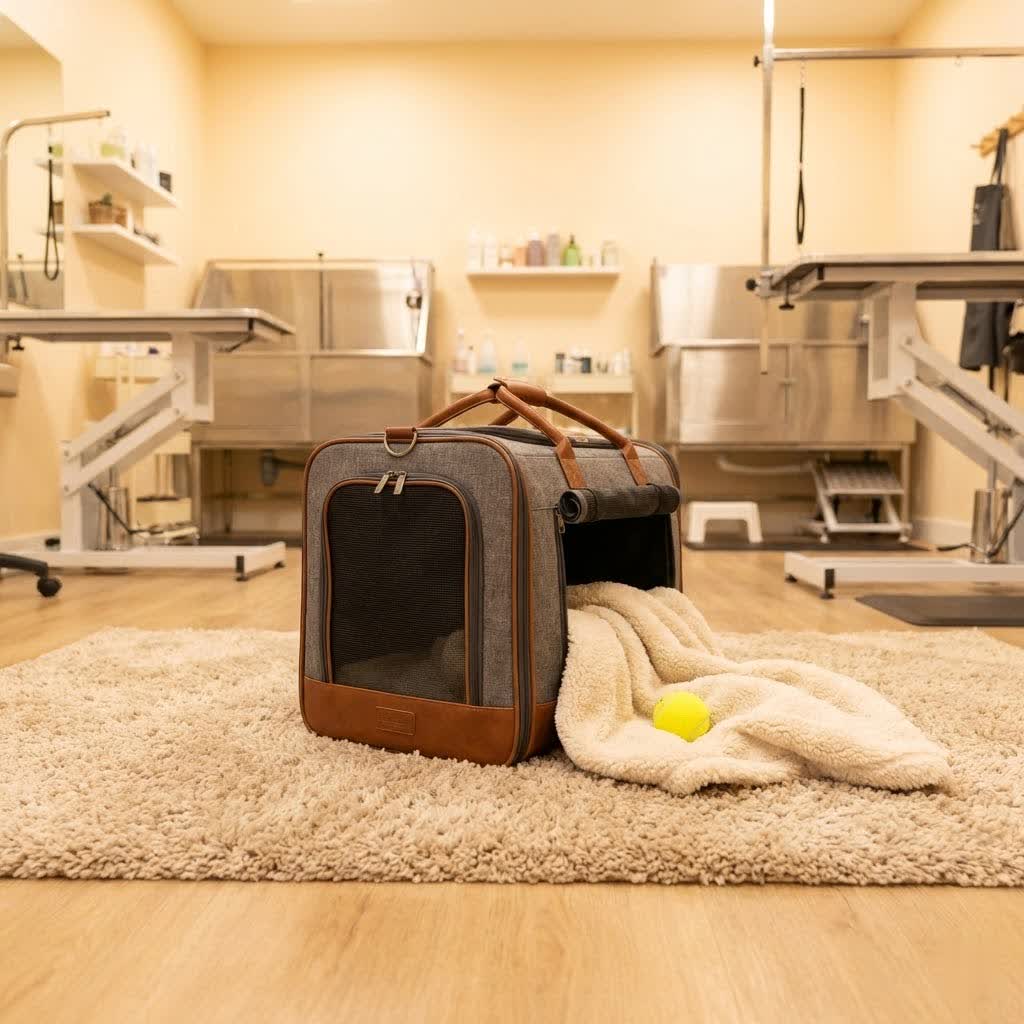
Bringing a furry friend into your life means embracing a world of shared adventures, but sometimes those adventures require a little help with transportation. Choosing the right pet carrier isn’t just about convenience; it’s fundamentally about your beloved companion’s comfort and safety, whether you’re heading to the vet, moving across town, or embarking on a long journey. With over a decade of hands-on experience evaluating hundreds of models, I understand the critical factors that go into selecting the perfect pet carrier. This comprehensive guide will walk you through everything you need to know, ensuring your pet travels securely and happily.
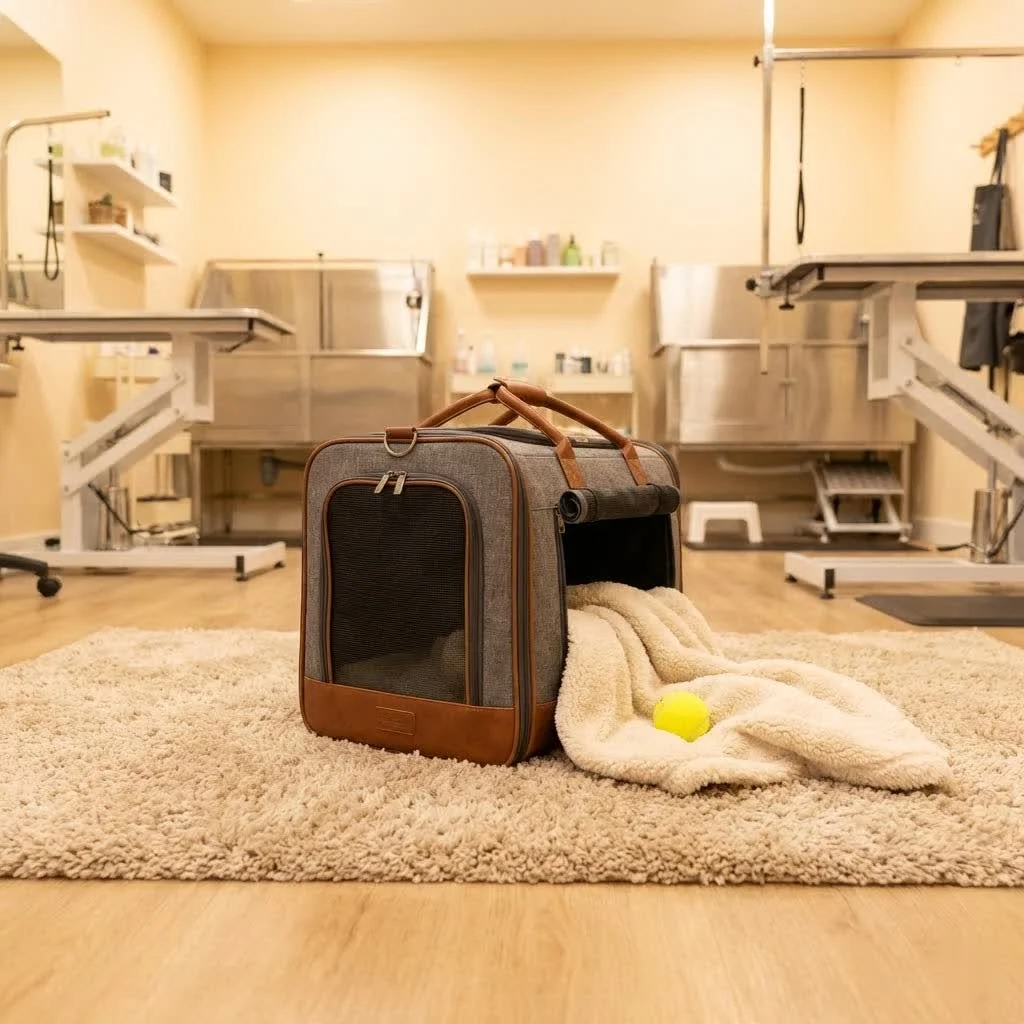
Exploring Popular Types of Pet Carriers
The market offers a diverse range of pet carriers, each designed with specific travel needs and pet temperaments in mind. Understanding the nuances of each type is the first step toward making an informed decision. For explore our pet travel reviews on this site.
Soft-Sided Pet Carriers
Soft-sided carriers, often resembling stylish duffel bags or totes, are typically made from lightweight fabrics like nylon, polyester, or canvas. They are a popular choice for their portability and versatility.
- Pros: These carriers are incredibly lightweight and easy to carry, often featuring comfortable shoulder straps or handles. Many are fashionable and come in various designs, allowing you to travel in style. Their flexible construction means they can often be collapsed for easy storage when not in use. They are generally comfortable for pets due to padded interiors and breathable mesh panels.
- Cons: While comfortable, soft-sided carriers may offer less rigid protection compared to hard crates, making them less suitable for pets prone to chewing or scratching, or for situations where maximum impact protection is needed. They can also be harder to clean thoroughly if accidents occur, as odors might soak into the fabric.
- Best Suited For: Small to medium-sized dogs and cats, short trips, everyday outings, and in-cabin airline travel where flexibility is often required to fit under the seat.
Hard-Sided Pet Carriers
Hard-sided carriers, often referred to as crates or kennels, are constructed from durable plastic or metal. They are known for their robust structure and secure design.
- Pros: These carriers offer superior safety and protection, with sturdy walls that resist impacts and prevent escapes, which is crucial for nervous or escape-prone pets. They are generally easy to clean and sanitize, a quick wipe-down often suffices for accidents. Hard carriers also provide excellent ventilation through a system of holes or grates.
- Cons: Hard-sided carriers are typically bulkier and heavier than their soft-sided counterparts, making them less convenient for casual carrying or compact storage. They can also be less comfortable if not adequately padded with blankets or a soft bed.
- Best Suited For: Larger dogs, pets that require maximum security, long journeys, cargo plane travel (meeting specific airline requirements), and pets that are prone to destructive chewing.
Backpack Pet Carriers
|
Our Picks for the Best Pet Carrier in 2026
As an Amazon Associate I earn from qualifying purchases.
|
||
| Num | Product | Action |
|---|---|---|
| 1 | Henkelion Cat Carriers Dog Carrier Pet Carrier for Small / Medium Cats Dogs Puppies (Up To 15lbs), TSA Airline Approved Small Dog Carrier Soft Sided, Collapsible Waterproof Travel Puppy Carrier -Black |

|
| 2 | Top and 2 Sides Expandable Large Cat Carrier 18x13.5x9.5, TSA Airline Approved Dog Carriers for Large Dogs, Soft-Sided Pet Carrier with Self-Locking Zippers for Kitten,Rabbit,Puppy, Black White |
|
| 3 | Texsens Innovative Traveler Bubble Backpack Pet Carriers for Cats and Dogs (Black) |
|
| 4 | Pet Carrier for Large Cats, Soft-Sided Cat Carrier for Medium Big Cats and Puppy up to 20lbs, Washable Dog Carrier Privacy Protection for Home Outdoor Travel |
|
| 5 | Morpilot Cat Carrier - Cat Carrier Soft for Medium or Large Cats up to 20lbs, with Dual-Sided Cushion, Secure Buckle and Foldable Bowl, Dog Carriers for Small Dogs - Pet Carrier (Dark Gray) |
|
| 6 | Cat Carrying Case Pet Dog Carrier Soft-Sided Cat Bag Airline Approved, Pet Travel Carrier Up to 15 Lbs, Collapsible Cats Carrier Dog Carrier for Medium Small Cats Dogs(17x11x11 Green) |
|
| 7 | Lekereise Cat Backpack Carriers, Dog Carrier Backpacks with Breathable Mesh for Small Medium Cats Dogs Puppy Up to 17 Lbs, Pet Foldable Carrying Backpack Ventilated for Travel Hiking Collapsible |
|
| 8 | Henkelion Cat Carriers Dog Carrier Pet Carrier For Small / Medium Cats Dogs Puppies (Up To 15lbs), TSA Airline Approved Small Dog Carrier Soft Sided, Collapsible Waterproof Travel Puppy Carrier - Grey |
|
| 9 | Amazon Basics 2-Door Top-Load Hard-Sided Dogs, Cats Pet Travel Carrier, Gray & Blue, 22.8"L x 15.0"W x 13.0"H |
|
| 10 | Dog Sling Carrier, Puppy Carrier Purse with Storage Pocket, Hand-Free Dog Carrier Sling for Carry Small Dogs and Cats, Puppy Essentials (Purple) |
|
Backpack carriers are designed to be worn on your back, offering a hands-free solution for transporting your pet. They combine elements of both soft and sometimes hard-sided designs.
- Pros: The primary advantage is hands-free convenience, making them ideal for hiking, cycling, or navigating crowded areas. They distribute your pet’s weight across your back, reducing strain on your arms and shoulders during longer excursions. Many models offer good ventilation and visibility for your pet.
- Cons: Backpack carriers are generally only suitable for small to medium-sized pets due to weight and space limitations. They can make it harder to monitor or comfort your pet directly while on the go. Improper fit or lack of internal support can potentially affect your pet’s posture or comfort.
- Best Suited For: Small dogs and cats, city commuting, walking, hiking, or situations where you need your hands free.
Wheeled Pet Carriers
Wheeled pet carriers function much like rolling luggage, equipped with wheels and a telescopic handle for easy maneuverability.
- Pros: These carriers significantly reduce physical strain, making it effortless to transport heavier or larger pets over long distances, especially through airports, train stations, or urban environments. They often provide a stable and smooth ride for your pet, which can help reduce anxiety or motion sickness. Many offer ample space, similar to hard-sided carriers.
- Cons: Wheeled carriers tend to be bulkier and heavier than soft-sided options, and may be more expensive. They can be challenging to maneuver on uneven terrain, stairs, or through very crowded spaces.
- Best Suited For: Larger or heavier pets, long-distance travel, frequent trips, or owners with physical limitations.
Comparison Table: Different Pet Carrier Types
| Feature | Soft-Sided (Bag) | Hard-Sided (Crate) | Backpack | Wheeled |
|---|---|---|---|---|
| Size | Small to Medium | Small to Large | Small to Medium | Medium to Large |
| Durability | Medium | High | Medium | High |
| Ventilation | Good | Excellent | Good | Good |
| Convenience | High (portable, foldable) | Low (bulky) | High (hands-free) | High (reduces strain) |
| Price | Low to Medium | Medium | Medium to High | High |
| Protection | Moderate | Excellent | Moderate | Good |
Guide to Choosing the Right Pet Carrier (Buying Guide)
Selecting the ideal pet carrier involves careful consideration of several key factors that impact your pet’s safety, comfort, and your own convenience.
Size Matters: Ensuring a Proper Fit
The single most crucial aspect of a pet carrier is its size. An ill-fitting carrier can cause discomfort, anxiety, or even injury.
- Measure Your Pet Accurately: To determine the right size, measure your pet’s length from the tip of their nose to the base of their tail (excluding the tail itself). For height, measure from the floor to the top of their head or ear tips (whichever is highest) when they are standing naturally. Add a few inches (approximately 3-5 inches or 8-13 cm) to these measurements to ensure ample space.
- Allow for Movement: A well-sized carrier should allow your pet to:
- Stand up comfortably without crouching.
- Turn around easily within the carrier.
- Lie down in a natural, comfortable position.
- Avoid Too Large or Too Small: While it might seem counterintuitive, a carrier that is too large can make a pet feel insecure and jostled during transport. A carrier that is too small, however, is simply inhumane and causes unnecessary stress.
Material Matters: Safety, Durability, and Cleanliness
The material of a pet carrier plays a significant role in its durability, ease of cleaning, and your pet’s comfort.
- Safety First: Always ensure the materials are non-toxic and safe for animals.
- Breathability: Especially for pets that get hot easily, look for materials that promote good airflow, such as mesh panels in soft-sided carriers or ample ventilation holes in hard-sided ones.
- Durability:
- Nylon and Polyester: Excellent for soft-sided carriers; they are tough, resistant to tears, lightweight, and generally easy to clean.
- Hard Plastic: Offers robust protection and is very easy to wipe clean, making it ideal for messy travelers or accident-prone pets. However, lower-quality plastics can be brittle.
- Metal (Wire Crates): Provides maximum ventilation and durability, often used for very large dogs or those needing extra security.
- Ease of Cleaning: Accidents happen! Choose a material that is easy to clean. Removable, washable pads are a huge bonus for any carrier type. Hard plastic can be wiped down quickly, while soft fabrics might require spot cleaning or machine washing.
Essential Features for Comfort and Security
Beyond size and material, certain features can greatly enhance the overall experience for both you and your pet.
- Ventilation: Multiple mesh windows or ample air holes are crucial to ensure proper airflow and prevent overheating, keeping your pet calm and comfortable.
- Security: Look for secure zippers, strong latches, and escape-proof doors. For hard-sided carriers, metal bolts rather than plastic clips for assembly offer superior security. An internal leash attachment can prevent your pet from bolting when the carrier is opened.
- Comfort: Padded bottoms, soft lining, or the option to add a favorite blanket can make the carrier a cozy den.
- Accessibility: Carriers with multiple entry points (top and front loading) can make it much easier to get a reluctant pet inside.
- Portability & Storage: Ergonomic handles, adjustable shoulder straps, or wheels contribute to easier transport. For compact living, a collapsible design can be a lifesaver.
- Airline Compliance: If you plan to fly, check airline-specific requirements for size, material, and ventilation before purchasing, as regulations can vary significantly.
Trustworthy Brands: Reputation and Reviews
While I won’t list specific brands, I strongly advise prioritizing reputable manufacturers. These brands often invest in better materials, safety testing, and ergonomic designs. Always read user reviews; real-world experiences offer invaluable insights into a carrier’s performance, durability, and comfort for different types of pets.
Top Pet Carrier Models: What to Look For
Instead of specific product names that might change, let’s explore characteristics of highly-regarded pet carrier designs that consistently receive positive feedback from pet owners like us.
The Versatile Soft-Sided Carrier
Look for models that emphasize expandability and multi-access points. A great versatile soft-sided carrier often features:
- Expandable Sides: Allowing your pet more room to stretch out when stationary, ideal for longer waits or car rides.
- Multiple Mesh Windows: For maximum airflow and visibility, helping anxious pets feel less enclosed.
- Soft, Washable Fleece Bedding: Provides comfort and is easy to clean after use.
- Airline-Approved Dimensions: Ensuring it can fit under most airplane seats for in-cabin travel.
The Robust Hard-Shell Crate
For ultimate security and peace of mind, a well-designed hard-shell crate is paramount. Key features include:
- Durable, Impact-Resistant Plastic: Capable of withstanding rough handling and providing superior protection.
- Secure Spring-Loaded Latches or Metal Bolts: Preventing accidental escapes, especially important for strong or clever pets.
- Excellent Ventilation: With generous openings on all sides.
- Top-Loading Access: Often preferred by vets and owners for easier placement of reluctant pets.
The Ergonomic Travel Backpack
A top-tier pet backpack focuses on comfort for both pet and owner, alongside hands-free convenience. Look for:
- Structured Design: Prevents the bag from collapsing on your pet, providing a stable interior.
- Ample Ventilation: Mesh panels on multiple sides for breathability.
- Padded Shoulder and Waist Straps: Distributes weight evenly and reduces owner fatigue.
- Internal Tether/Leash Clip: To secure your pet safely inside.
- Comfortable Interior: With a removable, washable pad.
“A pet carrier is more than just a box; it’s a mobile sanctuary that needs to meet your pet’s physical and emotional needs. Investing in the right one makes every journey smoother.”
Conclusion
Choosing the perfect pet carrier is a significant decision that impacts your pet’s well-being and your peace of mind during travel. By carefully considering the different types—soft-sided, hard-sided, backpack, and wheeled—and focusing on crucial factors like proper sizing, durable materials, and essential comfort and safety features, you can confidently select a model that suits your lifestyle and your furry friend’s needs. a high-quality pet carrier makes every trip, big or small, a more secure and enjoyable experience for your cherished companion.
What adventures will you and your pet embark on next with their new, perfect pet carrier?
Frequently Asked Questions
How do I know if a pet carrier is airline-approved?
Airline approval is critical and varies by carrier and destination. Always check the specific airline’s website for their most current pet travel policies, including maximum dimensions, weight limits, and ventilation requirements for both in-cabin and cargo travel, before purchasing a pet carrier.
Can my pet see out of a soft-sided carrier?
Most soft-sided carriers incorporate mesh windows on multiple sides, allowing pets to see their surroundings and providing ample ventilation. This visibility can help some pets feel less confined and reduce anxiety during travel.
Is it safe to put my pet in a backpack carrier for long periods?
Backpack carriers are generally best for shorter excursions or commutes. For longer periods, it’s crucial that the carrier provides adequate support for your pet’s spine, proper ventilation, and enough space for them to shift positions comfortably to prevent strain or discomfort.
How do I clean a pet carrier after an accident?
For hard-sided carriers, a simple wipe-down with pet-safe disinfectant and water is usually sufficient. Soft-sided carriers with removable, washable liners are ideal; otherwise, spot cleaning with enzyme cleaners and airing it out thoroughly is recommended to remove odors.
Should I get a top-loading or front-loading pet carrier?
Many pet owners find top-loading carriers easier for placing reluctant pets inside, as it allows you to gently lower them rather than pushing them through a front opening. However, front-loading carriers are common and can work well for cooperative pets or those accustomed to carriers.
What are crash-tested pet carriers?
Crash-tested pet carriers are specifically designed and rigorously tested to withstand impacts and protect your pet during a car accident. These carriers often feature robust construction and secure tethering points, offering a higher level of safety for car travel compared to standard carriers.
Pet products vetted on real animals
Free PDF — protein DMB calculator + 18 dog foods rated.
